
Urine tests have been an essential part of medical diagnostics for decades. Among the simplest and quickest methods, a reagent strip test for urine provides valuable insights into a person’s health. Healthcare providers use urine tests to help diagnose medical conditions due to their ease and reliability. This test is not just for detecting common issues like urinary tract infections (UTIs) but also for more serious conditions such as diabetes and kidney disease. While urine tests are widely used, types of X-rays are also critical in diagnosing a range of health issues, offering a different but equally important perspective on a patient’s condition.
The reagent strip test for urine works by analyzing a sample for various substances, allowing healthcare providers to identify abnormalities. It’s quick, affordable, and can be done in both outpatient and clinical settings. But how exactly does this test work, and what does it reveal about a person’s health?
What is a Reagent Strip Test for Urine?
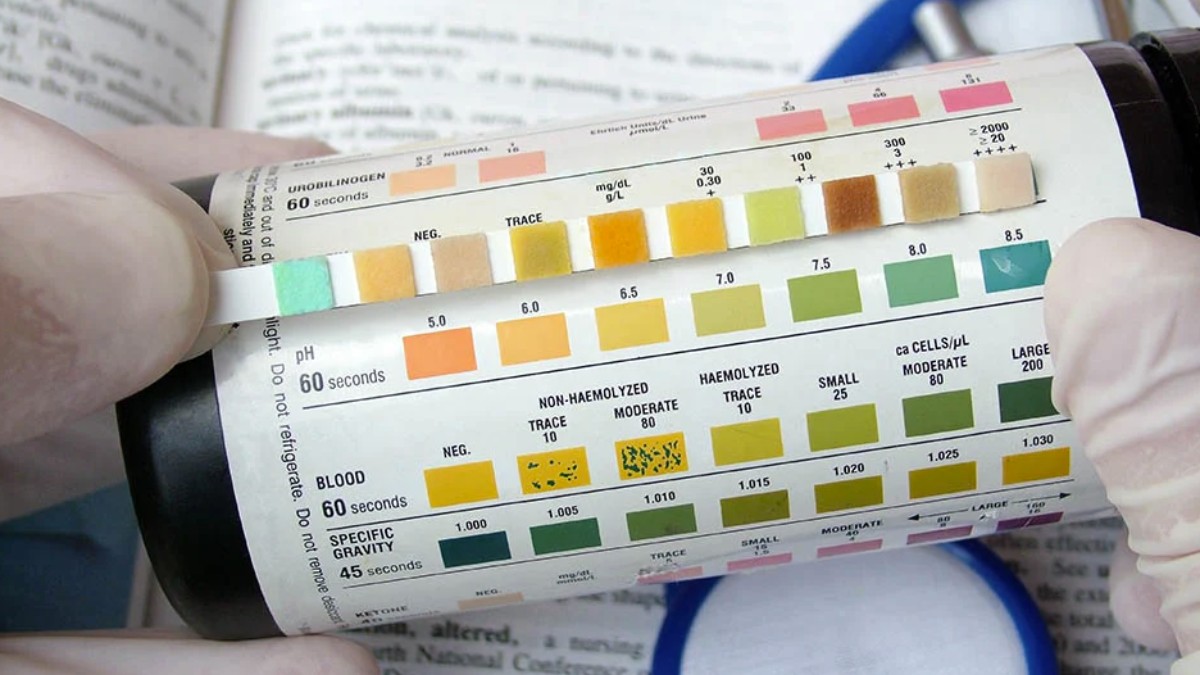
A reagent strip test for urine, also known as a urine dipstick test, is a diagnostic tool used to analyze urine for different chemical components. This test requires dipping a specially crafted strip, which has several pads coated with chemical reagents, into a urine sample. The substances in the urine interact with the reagents on the strip, resulting in a color change that can be matched to a color chart for interpretation.
How Does a Reagent Strip Test for Urine Work?
The working process of a reagent strip test for urine can be broken down into a few easy steps. When the strip is dipped into the urine sample, the chemical pads react with the compounds present in the urine. The resulting color change on the strip correlates to specific substances found in the urine, and the color is compared against a reference chart to determine the concentration of each substance.
The test is typically designed to be user-friendly, with results often appearing within a few minutes. This allows healthcare professionals to act quickly when further testing or treatment is required.
Step-by-Step Process:
- Collect the Urine Sample: The person being tested is asked to provide a clean urine sample, typically in a sterile container.
- Dip the Strip: A reagent strip is dipped into the urine for a few seconds.
- Wait for Reaction: The strip is left for a moment to allow the chemicals to react with the substances in the urine.
- Read the Results: After a short waiting period (usually a few minutes), the color changes on the reagent strip are compared to a reference chart.
- Interpretation: The doctor or healthcare professional interprets the results, looking for any abnormal readings.

What Can a Reagent Strip Test for Urine Detect?
The reagent strip test is quite versatile, capable of detecting a wide range of substances that can indicate various health conditions. The following are some of the most common elements that can be analyzed through this method:
5 Common Substances Detected:
- Glucose: Often elevated in individuals with diabetes or gestational diabetes.
- Protein: Can be a sign of kidney disease or other kidney problems.
- pH Level: Urine’s acidity or alkalinity can indicate an infection or metabolic condition.
- Nitrites: Presence of nitrites can suggest a urinary tract infection.
- Leukocytes: White blood cells in the urine often indicate infection or inflammation.
5 Diseases and Conditions Diagnosed Using This Test:
- Diabetes
- Kidney Disease
- Urinary Tract Infections (UTIs)
- Liver Disorders
- Metabolic Disorders
Each of these substances provides essential information about how well the body is functioning and can serve as an early warning for more severe health issues.
How Accurate is a Reagent Strip Test for Urine?
One of the most significant advantages of a reagent strip test for urine is its speed and convenience. However, accuracy is always a concern when it comes to medical tests. While the test is generally reliable, false positives or negatives can occur, particularly if the test is not performed properly or if the urine sample is contaminated. Factors that can affect accuracy include contamination, as a contaminated sample can alter the results, and medication, as certain drugs may cause false readings.
The timing of the test is also crucial; reading the results too early or too late can lead to inaccuracies. Additionally, dehydration can concentrate the urine, skewing results, especially for substances like glucose and ketones. Despite these potential challenges, reagent strip tests remain a practical and effective tool for initial screenings.
What are the Benefits of a Reagent Strip Test for Urine?
The reagent strip test for urine offers a variety of benefits, particularly in settings where quick results are necessary. Some key benefits include:
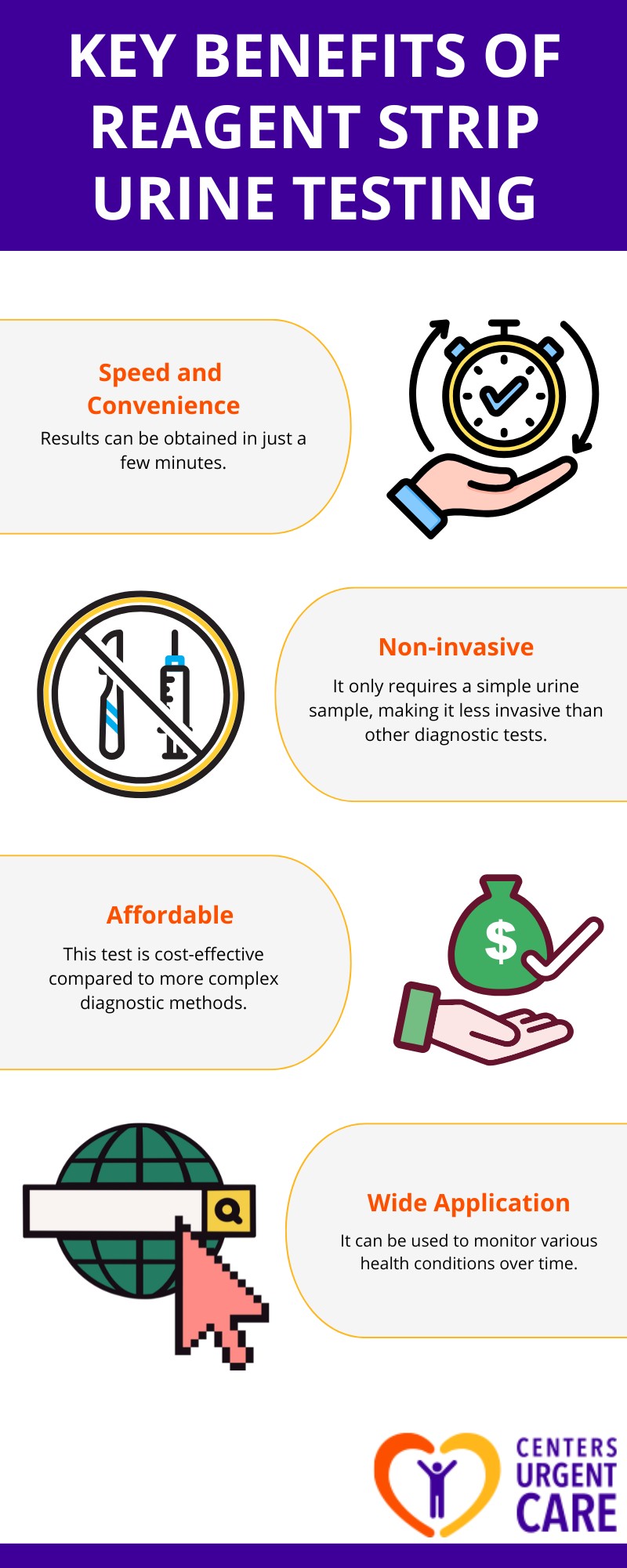
For these reasons, reagent strip tests are widely used in clinics, hospitals, and even at home to provide valuable insights into a person’s health. Understanding broader health connections, such as how the flu shot may impact heart disease risk, is also essential—explore the key facts in Flu Shot and Heart Disease: What You Need to Know.
When Should You Get a Reagent Strip Test for Urine?
Reagent strip tests are commonly recommended in several situations, particularly for monitoring or diagnosing various health conditions. If you experience symptoms of a urinary tract infection (UTI), such as frequent or painful urination, or if you have signs of diabetes, like increased thirst or unexplained weight loss, this test might be necessary. It can also be helpful if you have high blood pressure or other risk factors for kidney disease.
Pregnant individuals may need this test to monitor glucose or protein levels in their urine. Whether you’re at risk for these conditions or simply looking to keep track of your overall health, a reagent strip test can be a valuable tool in your healthcare routine.
Get Fast, High-Quality Care at Centers Urgent Care in NY
If you need an urgent care center that can provide quick and efficient testing, including a reagent strip test for urine, visit Centers Urgent Care. Whether you’re experiencing symptoms of a UTI, diabetes, or other health concerns, our experienced team is here to help.
Contact us today to schedule a consultation and get the care you need, when you need it most. Our urgent care center in NY are committed to providing high-quality, fast healthcare for children and adults.