Wellness Tips from Josef Schenker, MD
Welcome to our Wellness Tips blog series, brought to you by Dr. Josef Schenker, the Medical Director at Centers Urgent Care. In this series, Dr. Schenker shares his extensive knowledge and experience in internal medicine and emergency medical services, including skin abscess treatment and management, to help you lead a healthier life.
Dr. Schenker will cover a range of crucial health topics, offering expert advice on how to avoid common ailments. With a focus on prevention and practical tips, each blog post is designed to empower you with the information you need to make informed decisions about your health and well-being.
Skin Abscess Treatment And Management
A skin abscess is more than a small bump. It can swell, hurt, and make daily tasks difficult. U.S. data show 5.4 million people experienced 9.1 million skin and soft-tissue infection episodes, an incidence of 77.5 per 1,000 person-years. Many abscesses involve Staphylococcus aureus; in a large emergency-department trial, about 45% of cultured abscesses were MRSA.
Up ahead, Dr. Josef Schenker will guide you about what helps, when to seek care, and how to lower the repeat risk of this skin condition.
Dr. Josef Schenker Explains the Symptoms of a Skin Abscess
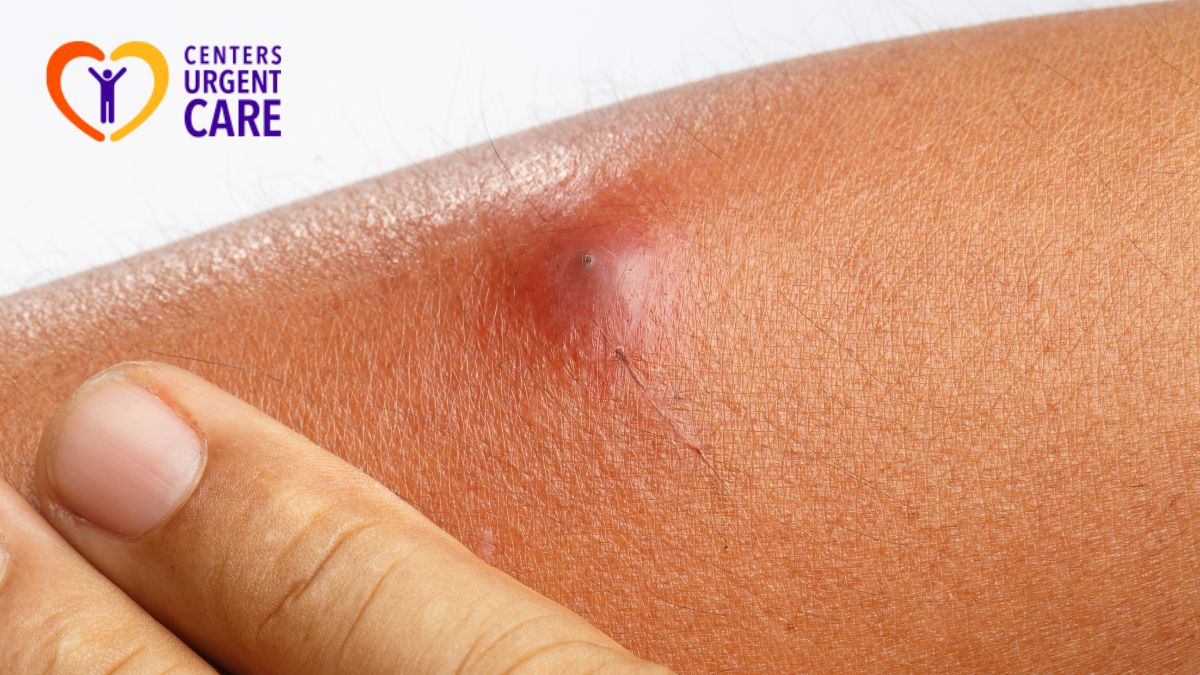
Skin abscess symptoms cluster into local changes around a tender lump and, in some cases, whole-body signs. Early recognition helps separate a simple abscess from an infection that needs urgent assessment. As Dr. Josef Schenker notes, attention to fluctuance and any fever or fast heart rate guides next steps.
- Localized pain. Skin abscess pain feels deep and throbbing at the center of a swollen lump. Exam usually finds marked tenderness to touch around a red area that may have a visible “head.”
- Swelling. Swelling forms as pus collects under the skin and pressure builds. The lump often looks raised with stretched, shiny skin and may show a yellow or white center when near the surface.
- Warmth (and redness). The area usually feels warm compared with surrounding skin because of local inflammation. Redness often surrounds the lump and can extend into nearby tissue when cellulitis coexists.
- Fluctuance. This is a soft, compressible feel over the center of the lump, suggesting a pocket of pus. This finding helps distinguish an abscess from cellulitis, which lacks a fluid cavity.
- When systemic signs suggest severe infection. Systemic signs raise concern for a more serious infection: fever or chills, fast heart rate, fast breathing, low blood pressure, or marked fatigue. Guidelines group these under systemic inflammatory response criteria and use them to define moderate to severe skin infections needing closer evaluation.
Symptoms can vary by site and depth. Some abscesses drain on their own; others remain firm before softening as the skin thins over the pus pocket. Local cellulitis, swollen nodes, and mild fever can appear with larger or deeper lesions.
What Is a Skin Abscess?
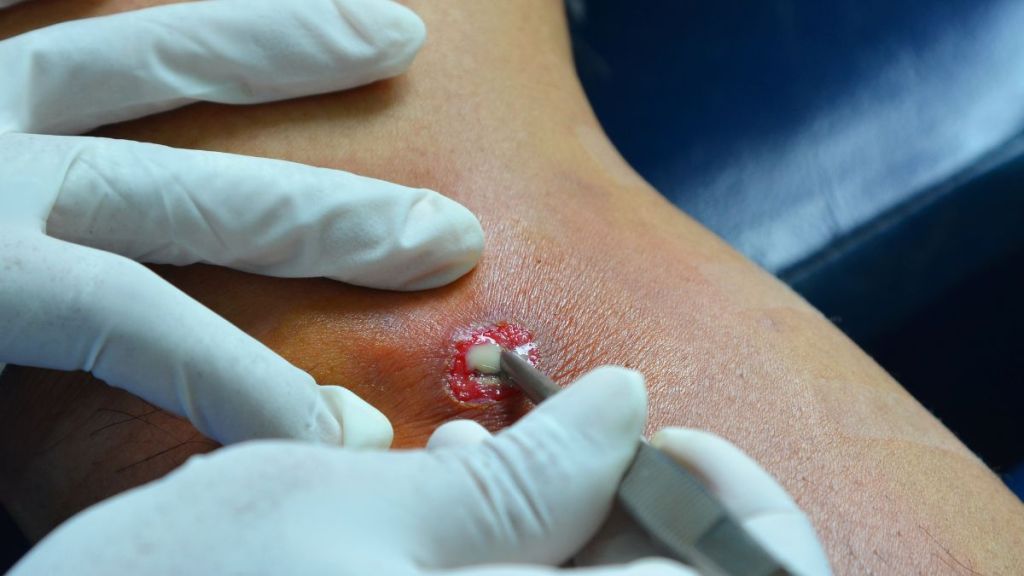
Skin abscess describes a pocket of pus within the skin or subcutaneous tissue. The lump forms when bacteria trigger inflammation and the body walls off the infected area. Clinical texts define it as a localized collection of pus that can develop on any skin surface.
Staphylococcus aureus causes many skin abscesses. Community strains that resist methicillin (MRSA) commonly drive these pus-forming infections in both adults and kids. Public health guidance lists boils and abscesses among the typical MRSA presentations on skin.
Diagnosis starts with a focused exam. A true abscess often shows a tender lump that may feel soft in the center, signaling fluid under pressure. Clinicians confirm the diagnosis at the bedside and decide next steps based on size, depth, and surrounding tissue findings.
Pus obtained during drainage can be sent for culture in selected cases, which helps guide antibiotics when they are indicated. A clear definition plus the right diagnostic steps sets up safe, effective treatment.
Can You Prevent Skin Abscesses?
Skin abscess prevention focuses on hygiene, smart wound care, and stopping person-to-person spread at home and in team settings. As Dr. Josef Schenker notes, small daily habits lower risk and help prevent recurrences linked to methicillin-resistant Staphylococcus aureus (MRSA).
- Hygiene. Handwashing with soap and water or an alcohol hand rub limits transfer of skin bacteria. Shower after workouts and use a barrier, like a towel or clothing, between skin and shared benches or mats.
- Wound care. Keep cuts and scrapes clean and covered until healed. Do not squeeze or pick at sores because pus can carry MRSA and seed new infections.
- No sharing personal items. Avoid sharing towels, washcloths, razors, and clothing. Use your own soap and keep personal items in clean bags.
- Sports and locker-room precautions. Cover any wound before practice or games and sit out contact drills if dressings do not stay in place. Clean shared equipment after each use and allow complete drying per facility guidance.
For people with repeated abscesses, guidelines suggest a short decolonization regimen after optimizing hygiene. A typical 5-day protocol uses intranasal mupirocin twice daily plus daily chlorhexidine body washes, along with cleaning or laundering towels, sheets, and clothes.
Treating all household members lowered new infections at 3 months compared with treating the patient alone in randomized community studies. Decolonization is not for everyone. Decisions weigh recurrence history, local resistance patterns, skin sensitivity, and the ability of the household to follow instructions.
How Long Do Skin Abscesses Last?
Skin abscess timeline depends on size, depth, and location. Many small abscesses soften and drain on their own with warm compresses. Some then settle over several days. Larger or deeper infections need a minor procedure called incision and drainage.
After incision and drainage, most simple skin abscesses close over in about 1 to 2 weeks. Drainage often slows within a couple of days, pain eases, and new tissue fills the cavity from the base up. Patient guides from major centers describe this short recovery for uncomplicated cases.
Healing takes longer when the abscess is deep or in high-moisture areas. Perianal abscess aftercare commonly runs 3 to 8 weeks, and some surgical aftercare leaflets note that full closure can take 6 to 12 weeks. Smokers and people with poorly controlled diabetes may heal slower.
Josef Schenker, MD, Explains Skin Abscess Treatment And Management
Skin abscess care centers on opening the pus pocket and, in select cases, adding antibiotics. As Josef Schenker, MD teaches, decisions follow the exam: size, depth, nearby cellulitis, and any whole-body signs guide the plan.
- Incision and drainage (I&D) as primary therapy. This removes pus and pressure, which relieves pain and lets tissue heal from the base up. Most uncomplicated abscesses resolve after a well-performed drainage without routine antibiotics. Procedure references list I&D as the main treatment, with warm compresses or brief observation reserved for very small collections only.
- When to add antibiotics. Add antibiotics when fever or other systemic signs are present, when surrounding cellulitis is extensive, when multiple lesions appear, in immunocompromised patients, or if the abscess fails to improve after I&D. Primary-care and guideline summaries note that small, superficial abscesses often do well with drainage alone, while moderate to severe infections warrant systemic therapy.
- Culture guidance. Sending pus for culture helps when infections are recurrent, severe, unusual, or not responding to initial care. Results direct antibiotic choice, especially if resistance is suspected or prior antibiotics were used.
- MRSA coverage when indicated. Community MRSA causes many purulent skin infections; choose agents active against MRSA when risk is high (e.g., prior MRSA, local prevalence, injection-drug use, concurrent MRSA elsewhere) or when illness is moderate to severe. Randomized trials show that, after I&D, antibiotics like trimethoprim-sulfamethoxazole or clindamycin improve short-term cure and reduce new lesions compared with placebo, though most patients still recover after drainage alone.

How to Reduce Recurrence of Skin Abscesses
Skin abscess recurrence drops when home hygiene improves, close contacts follow the same rules, and high-risk groups use extra steps. As Josef Schenker, MD notes, small daily habits plus a short decolonization plan for select cases can cut new infections.
- Decolonization context. Short decolonization regimens target Staphylococcus aureus in the nose and on skin. Guidelines suggest a 5-day course of intranasal mupirocin twice daily plus daily chlorhexidine washes, with laundering of towels, sheets, and clothes, for people with recurrent infections.
- Household measures. Recurrence often involves shared bacteria in the home. Trials comparing “all household members decolonize” versus “targeted members decolonize” show mixed results, yet a household approach can reduce short-term infections in some studies.
- Athlete precautions. Cover any wound before practice or games. Shower right after activity. Do not share towels, bar soap, or uniforms. Clean shared equipment after each use and let it dry fully.
- Pediatric notes. Children with repeated abscesses may need culture-guided plans and, at times, a brief decolonization cycle matched to family routines. Guidance also flags evaluation for immune or neutrophil disorders when abscesses began in early childhood.
What to Do if Someone Has a Skin Abscess
Skin abscess care starts with safety at home and knowing when to be seen the same day. As Josef Schenker highlights, quick evaluation prevents spread and guides the choice between warm compresses and a simple drainage procedure.
- When to seek urgent care. Seek same-day care for a painful lump with redness that feels soft in the center, for fever, or for fast-spreading redness. Go sooner if the lesion is on the face, near the genitals, or over a joint, or if the person is very young, older, diabetic, or immunocompromised.
- What to expect from incision and drainage (I&D). The clinician numbs the skin, opens the abscess, and removes pus to relieve pressure and pain. Most simple abscesses heal with I&D alone; warm compresses may help very small collections, but reassess within 24–48 hours if no improvement.
- Avoid squeezing at home. Do not cut or squeeze the lump, since pus can push bacteria into nearby tissue and worsen cellulitis. Home manipulation also delays proper drainage and increases scarring risk.
- Red flags after the visit. Return promptly for fever, chills, fast heartbeat, increasing pain, or spreading redness after the procedure. Call if drainage ramps up, a foul odor appears, or swelling re-forms, as these can signal an undrained pocket or a new infection.
Urgent care teams confirm the diagnosis at the bedside and use ultrasound when the exam is unclear. The visit focuses on safe drainage, selective antibiotics, and culture when needed for recurrent or severe cases. Centers Urgent Care provides these services and coordinates follow-up so healing stays on track.
Josef Schenker, MD, Answers Frequently Asked Questions:
Get rid of a skin abscess quickly with warm compresses to encourage drainage and with incision and drainage by a clinician, which provides the fastest healing. Antibiotics are used for cellulitis, systemic symptoms, or high-risk cases. Keep wounds covered, wash hands after dressing changes, and seek urgent care for severe signs.
Proper management of an abscess relies on incision and drainage under sterile conditions. Warm compresses may help very small lesions. Antibiotics are added for cellulitis, systemic illness, or high-risk patients, with MRSA coverage if needed. Culture pus, keep wounds covered, arrange follow-up, and reinforce hygiene to prevent spread.
Treat abscess in kids with warm compresses for comfort and drainage, plus incision and drainage for most cases. Small abscesses may resolve without antibiotics, but antibiotics are required for cellulitis, systemic signs, multiple lesions, or high-risk children, with MRSA coverage if indicated. Keep dressings clean, reinforce hygiene, and monitor closely.
An untreated abscess can enlarge, rupture, and spread infection to the surrounding skin as cellulitis. Bacteria may enter the bloodstream, leading to systemic illness or sepsis in vulnerable patients. Deep spread can involve fascia or muscle. Most abscesses need drainage, since heat or antibiotics alone rarely work. Early care prevents complications.
You can go to urgent care for a skin abscess. Urgent care can examine, drain, pack, culture, and treat with antibiotics when needed, while giving wound care instructions and follow-up. Emergency care is required for spreading redness, high fever, severe illness, or deep infection. Early drainage improves healing and limits complications.

Expert Care for Skin Abscess Treatment
Skin abscesses can range from minor infections to conditions that require immediate medical attention. Understanding symptoms, knowing when drainage is needed, and following prevention steps can help reduce complications and recurrences. Professional treatment ensures faster healing and lowers the risk of spread.
Visit our urgent care facility in New York for prompt evaluation and effective management of skin abscesses. At Centers Urgent Care, we provide incision and drainage, culture testing, and antibiotics when needed, along with clear aftercare instructions to support safe recovery.
Led by Dr. Josef Schenker, our dedicated team is committed to delivering high-quality care tailored to your needs. With multiple locations across NYC, we make it easier to access the right treatment at the right time. Locate a Centers Urgent Care near you and take the next step toward safe and complete healing.

About Josef Schenker, MD:
Dr. Josef Schenker, a board-certified expert in internal medicine and emergency medical services, brings extensive experience and compassion to his role as Medical Director and Partner at Centers Urgent Care. With leadership in SeniorCare Emergency Medical Services and as an Attending Physician at New York-Presbyterian Brooklyn Methodist Hospital, Dr. Schenker oversees critical care and treatment protocols across varied medical needs. His dedication extends to chairing NYC REMAC, ensuring adherence to state standards in emergency medical procedures. At Centers Urgent Care, Dr. Schenker's expertise ensures prompt, high-quality emergency care for patients of all ages, supported by state-of-the-art facilities including a dedicated pediatric suite.