

Having a clear understanding of sexually transmitted diseases (STDs), what they entail, how they spread, and the importance of awareness and education is vital for maintaining one’s sexual health.
What Are Sexually Transmitted Diseases (STDs)?
Sexually transmitted diseases, also known as sexually transmitted infections (STIs), are infections that are primarily transmitted through sexual contact. These infections can be caused by bacteria, viruses, or parasites, and they can affect people of all ages, genders, and sexual orientations. Seeking urgent care when symptoms first appear can help with early diagnosis and treatment, reducing the risk of complications and further transmission.
STDs can manifest in various forms, ranging from mild symptoms to severe health complications if left untreated. Common STDs include chlamydia, gonorrhea, syphilis, herpes, HPV, and HIV/AIDS. It is essential to prioritize safe sex practices and regular testing to prevent the spread of these infections.
How STDs Spread
STDs are typically spread through sexual activities involving vaginal, anal, or oral contact with an infected person. The transmission can occur through the exchange of bodily fluids such as blood, semen, vaginal secretions, or saliva. STDs can also be transmitted through skin-to-skin contact in cases of infections like herpes and HPV.
It’s important to note that some STDs can be asymptomatic, meaning an infected individual may not display any symptoms but can still transmit the infection to their sexual partners. This highlights the significance of practicing safe sex and undergoing routine testing, especially for those who are sexually active.
Common STDs and Their Symptoms
Understanding sexually transmitted diseases (STDs), knowing the common infections and their associated symptoms is crucial for early detection and treatment. Below are some of the most prevalent STDs along with their respective symptoms:
Chlamydia
The bacterial infection chlamydia can impact both males and females. It frequently shows no signs, making it hard to identify. When symptoms are present, however, they might include:
- Abnormal vaginal or penile discharge
- Painful urination
- Pain or swelling in the testicles
- Pelvic pain

Gonorrhea
Gonorrhea is another bacterial infection that can cause serious health complications if left untreated. The symptoms of gonorrhea may include:
- Green or yellow discharge from the genitals
- Painful or frequent urination
- Sore throat
- Painful bowel movements
Syphilis
Syphilis is a bacterial infection that progresses through different stages if untreated. The symptoms of syphilis can vary depending on the stage of the infection and may include:
- Sores or ulcers at the site of infection
- Skin rashes
- Fever
- Swollen lymph nodes
Herpes
Herpes is a viral sexually transmitted infection (STI) that appears as sores or blisters around the genital area or mouth. Possible signs of genital herpes may involve:
- Painful sores or blisters in the genital area
- Itching or burning sensation
- Flu-like symptoms
- Swollen glands
HPV (Human Papillomavirus)
HPV is a common viral infection that can lead to genital warts and certain types of cancer. The symptoms of HPV may include:
- Genital warts
- Itching or discomfort in the genital area
- Abnormal Pap smear results
- No symptoms in many case
HIV/AIDS
HIV/AIDS is a viral infection that attacks the immune system. While HIV may not present with symptoms in the early stages, untreated HIV can progress to AIDS and lead to severe complications. Some common symptoms of HIV/AIDS include:
- Rapid weight loss
- Recurrent fever
- Extreme fatigue
- Swollen lymph nodes
Being aware of the symptoms associated with common STDs is essential for prompt diagnosis and treatment. If you suspect that you may have been exposed to an STD or are experiencing any of the symptoms mentioned above, it is important to seek medical advice and get tested for proper evaluation and management.
Testing and Diagnosis
Addressing sexually transmitted infections, testing and diagnosis play a crucial role in early detection and treatment. Understanding the importance of regular testing, the types of tests available, and the steps involved in testing can empower individuals to take charge of their sexual health.

Importance of Regular Testing
Regular testing for sexually transmitted diseases is a fundamental aspect of preventive healthcare. It allows individuals to monitor their sexual health status, detect infections early on, and seek appropriate medical intervention. Routine testing is especially crucial for sexually active individuals, those with multiple partners, or anyone engaging in risky sexual behaviors.
It’s recommended that individuals undergo regular testing based on their sexual activity and individual risk factors. Establishing a routine testing schedule with a healthcare provider can help identify potential infections and facilitate timely treatment, reducing the risk of complications and onward transmission.
Types of Tests Available
There are several types of tests available for detecting sexually transmitted diseases, each tailored to specific infections and testing needs. The most common tests include:
- Blood Tests – Blood tests can detect antibodies or antigens produced in response to certain STIs, such as HIV and syphilis.
- Urine Tests – Urine tests are commonly used to diagnose infections like chlamydia and gonorrhea by detecting the presence of bacteria in the urine sample.
- Swab Tests – Swab tests involve collecting samples from genital, oral, or rectal areas to detect infections like herpes and HPV.
The choice of test may vary depending on the suspected infection, symptoms present, and individual circumstances. Healthcare providers can recommend the most appropriate test based on the individual’s risk factors and symptoms.
Steps Involved in Testing
The process of testing for sexually transmitted diseases typically involves the following steps:
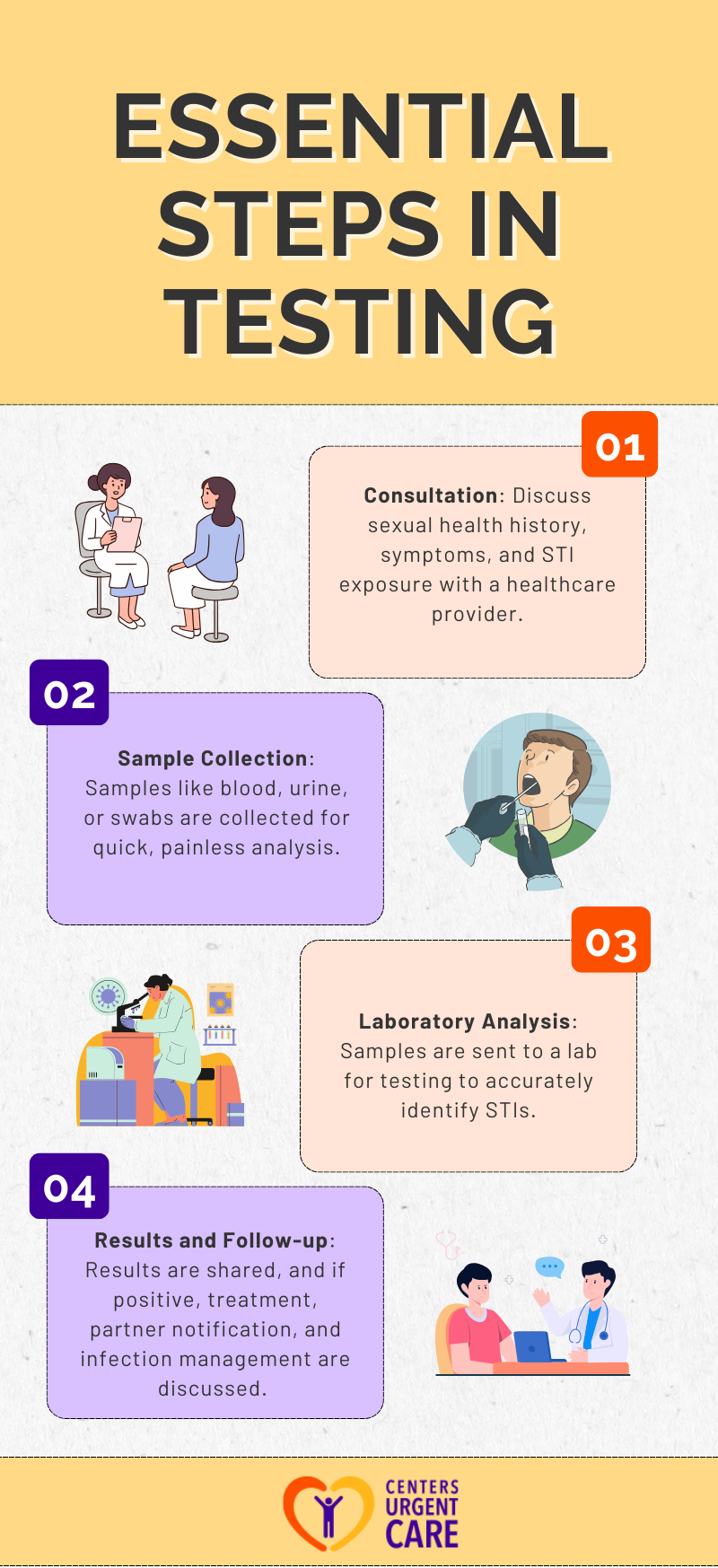
Understanding the importance of regular testing, being aware of the available testing options, and familiarizing oneself with the testing process, individuals can take proactive steps towards safeguarding their sexual health and well-being. Early detection through testing is key to effective management and prevention of sexually transmitted diseases.
Medications for STDs
The treatment of STDs often involves the use of medications to combat the infection and alleviate symptoms. The type of medication prescribed will depend on the specific STD diagnosed. It’s crucial to follow the prescribed treatment regimen diligently and complete the full course of medication to ensure the infection is fully eradicated.
- Chlamydia – Azithromycin, Doxycycline
- Gonorrhea – Ceftriaxone, Azithromycin
- Syphilis – Penicillin
- Herpes – Antiviral medications (e.g., Acyclovir, Valacyclovir)
- HPV – No specific treatment; vaccines available for prevention
- HIV/AIDS – Antiretroviral therapy (ART)
Long-term Health Considerations
While many STDs can be effectively treated with medications, certain infections may have long-term health implications if left untreated or not managed properly. Some STDs, such as syphilis and HIV/AIDS, can lead to serious complications if not addressed promptly.
Understanding the treatment options available, actively participating in partner notification and treatment, and considering the long-term health implications of STDs, individuals can take proactive steps towards managing their sexual health effectively and safeguarding their well-being.

Prevention Strategies
Focusing on protecting oneself from sexually transmitted diseases (STDs), prevention is key. Understanding and implementing effective prevention strategies can help reduce the risk of contracting or transmitting STDs. In this section, we will explore three essential prevention strategies: safe sex practices, vaccinations, and communication and consent.
Safe Sex Practices
Practicing safe sex is one of the most effective ways to prevent the spread of STDs. Safe sex practices involve taking precautions to reduce the risk of STD transmission during sexual activity. Some key safe sex practices include:
- Correct and Consistent Condom Use – Proper and consistent use of condoms during vaginal, anal, and oral sex can reduce the risk of STD transmission.
- Limiting Sexual Partners – Limiting the number of sexual partners and engaging in mutually monogamous relationships can lower the risk of exposure to STDs.
- Regular Testing and Communication – Regular testing for STDs and open communication with sexual partners about sexual health can help ensure early detection and treatment of infections.
- Avoiding Risky Behaviors – Avoiding high-risk behaviors such as sharing needles or engaging in unprotected sex with unknown partners can help prevent the spread of STDs.
Incorporating safe sex practices into your sexual routine, you can protect yourself and your partners from STDs and promote overall sexual health.
Vaccinations
Vaccinations play a crucial role in preventing certain STDs, such as human papillomavirus (HPV) and hepatitis B. Vaccines are available to provide protection against these infections and are recommended for individuals at risk. Some key points to remember about vaccinations for STD prevention include:
- HPV – Gardasil 9
- Hepatitis B – Hepatitis B vaccine
It’s important to consult with a healthcare provider to determine the appropriate vaccination schedule and ensure that you are up to date on recommended vaccines for STD prevention.
Resources for Information
Staying informed about STDs is key to prevention and early intervention. There are various resources available to provide accurate and up-to-date information on different STDs, including their symptoms, transmission, and treatment options. Utilizing reputable sources such as government health websites, educational materials, and healthcare providers can empower individuals to make informed decisions regarding their sexual health.

Where to Get Tested
Getting tested for STDs is a proactive step towards safeguarding one’s health and preventing the spread of infections. Testing services are offered at various healthcare facilities, clinics, community centers, and specialized STD testing centers. It is recommended to consult with a healthcare provider or local health department to determine the most suitable testing location based on individual needs and concerns.
Utilizing available resources for information, knowing where to get tested, and seeking additional support services, individuals can proactively manage and address STD-related concerns. Empowerment through education, testing, and emotional support plays a pivotal role in promoting sexual health and overall well-being. At Centers Urgent Care, we offer fast, high-quality urgent care services in New York, for children and adults, ensuring that you receive the attention you need in a compassionate environment. If you’re looking for urgent care, contact us today to learn how we can help you take charge of your sexual health and well-being!
Sources:

2025 has changed my life. I never believed I would be cured by a spell caster who specializes in herbal cure and magical spells. I am talking about the help Doctor Odunga gave to me. I have been cured of herpes HPV which has plagued me for over 2 years. I am very happy to tell others that if you want to be cured or get your ex back spells and get pregnant naturally, even financial blessing through lottery, there is only one place to be and that is with Dr Odunga Spell Temple. Am so happy that just 3 days after taking DR ODUNGA Herbal treatments my herpes was cured permanently. DR ODUNGA also have cure to #HIV #Diabetes #Lupus #Tinnitus #Fibroid #Cancer #Hepatitis B, #Syphilis #Infertility etc … If you have this ailment or whatsoever you might be suffering from you should contact him at his EMAIL: odungaspelltemple@gmail.com OR VIA Whats App +2348167159012