
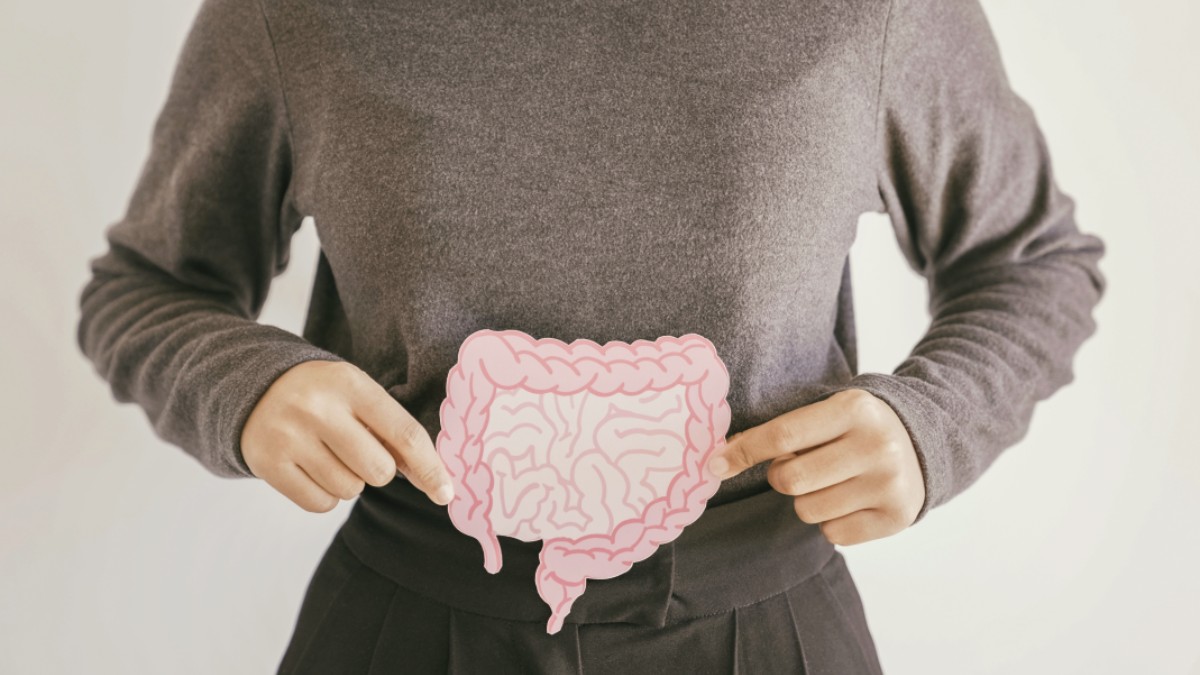
According to the World Gastroenterology Organisation, an estimated 4 out of 10 people globally experience functional gastrointestinal disorders. These chronic conditions—ranging from irritable bowel syndrome (IBS) to acid reflux—can seriously impact quality of life. While most visits to the doctor for such issues focus on symptom management, it’s not uncommon to also address unrelated concerns, like stitches at urgent care, during the same appointment. Many patients seek non-invasive, natural ways to ease discomfort without relying solely on medications.
What Causes Chronic GI Issues?
Chronic GI problems aren’t always caused by a single factor. They often result from a complex interplay of diet, lifestyle, gut bacteria imbalance, stress, and food sensitivities. Common contributors include:
- Low-fiber diets
- Overuse of antibiotics
- High intake of processed foods
- Chronic stress or anxiety
- Food intolerances (e.g., gluten, dairy, FODMAPs)
Addressing these root causes is crucial for long-lasting symptom relief.
Can Diet Changes Relieve Long-term GI Symptoms?
Absolutely. Your gut health is directly tied to your diet. Many chronic digestive issues stem from poor food choices or intolerances. Making intentional changes can drastically reduce symptoms.
Here’s how to start improving your gut through food:
Fiber: The Foundation of a Healthy Gut
Fiber improves bowel movements, feeds beneficial bacteria, and reduces inflammation in the gut lining. But most people fall short of the daily recommended 25-30 grams. Upping your fiber intake in small, consistent steps can help.
- Eat more soluble fiber: oats, apples, chia seeds
- Add leafy greens and cruciferous vegetables gradually
- Replace refined carbs with whole grains
- Avoid high-fat, low-fiber processed snacks
Elimination Diets For Identifying Triggers
Some people experience chronic GI issues because of undiagnosed food sensitivities. A structured elimination diet can help pinpoint these culprits.
- Remove common triggers: gluten, dairy, eggs, soy, and artificial sweeteners
- Keep a food symptom journal
- Reintroduce foods one at a time every 3–5 days
- Monitor for bloating, cramps, diarrhea, or reflux
This approach is especially helpful for individuals with IBS or non-celiac gluten sensitivity.

Which Supplements Support Gut Healing?
Supplements can be a practical way to enhance natural treatment strategies, especially when food intake alone isn’t enough. But not all supplements are created equal. Focus on evidence-based options:
Probiotics and Prebiotics
Your gut is home to trillions of bacteria. A balanced microbiome plays a key role in digestion, nutrient absorption, and immune function. Probiotic supplements help restore balance—especially after illness or antibiotic use.
- Lactobacillus and Bifidobacterium strains improve IBS and diarrhea
- Take with food for better absorption
- Pair with prebiotic-rich foods like garlic, onion, and bananas
Digestive Enzymes
For those with bloating or food intolerances, digestive enzymes can help break down carbs, proteins, and fats more effectively.
- Look for broad-spectrum enzyme blends
- Take them before or with meals
- Helpful for lactose intolerance or gallbladder issues
L-glutamine
L-glutamine is an amino acid that helps repair the gut lining and reduce inflammation.
- Useful for leaky gut and post-infection recovery
- Best taken on an empty stomach
- May improve energy levels and reduce sugar cravings
How Does Stress Impact Gastrointestinal Health?
Stress is a major—yet often overlooked—trigger for chronic GI issues. Your gut and brain are directly connected through the gut-brain axis, meaning emotional distress can directly affect digestive function.
Natural Stress-Reduction Techniques
Lowering stress levels won’t fix every digestive problem, but it plays a major role in symptom control—especially in functional GI disorders like IBS.
- Mindful breathing: Deep belly breaths calm the vagus nerve
- Meditation and yoga: Improve parasympathetic tone, reduce cortisol
- Nature walks and gentle exercise: Aid digestion and lower tension
- Therapy or journaling: Help uncover emotional contributors
Managing stress daily can reduce gut inflammation and improve motility.
Are Herbal Remedies Effective For Long-term Digestive Issues?
Yes—many herbs have been studied for their anti-inflammatory, antispasmodic, or soothing effects on the digestive tract. They’re not cure-alls, but they can complement dietary and lifestyle changes.
Top Herbal Options For Treating Chronic Gastrointestinal Issues
These natural options can relieve pain, gas, bloating, and irregular bowel movements without the side effects of over-the-counter meds.
- Peppermint oil: Relieves cramping and bloating in IBS (enteric-coated forms preferred)
- Ginger root: Eases nausea, improves stomach emptying
- Chamomile: Calms the digestive system, good for stress-related flare-ups
- Slippery elm and marshmallow root: Soothe and protect irritated GI tissues
Speak with a healthcare provider before starting herbal remedies, especially if taking other medications.
When Should You Seek Medical Attention For Chronic GI Problems?
While natural remedies offer real relief, they don’t replace professional care. Some red flags require immediate evaluation by a medical provider.
If your symptoms persist despite lifestyle changes—or if they worsen—it’s time to speak with a provider. These signs suggest more serious underlying issues.
- Unintentional weight loss
- Blood in stool
- Persistent vomiting or severe diarrhea
- Nighttime symptoms
- Difficulty swallowing
- Family history of GI cancer or autoimmune disease
If any of these apply to you, a visit to a trusted urgent care provider may be warranted for lab work, imaging, or referral to a specialist—something we explore further in our article Understanding the Importance of Regular Check-Ups.
Natural Fixes to Support Digestive Health Daily
Even small daily habits can make a big difference when treating chronic gastrointestinal issues. These quick strategies are easy to add to your routine and may help minimize flare-ups.

Natural Strategies for Treating Chronic Gastrointestinal Issues
Dealing with chronic GI discomfort can feel overwhelming, but a mix of natural methods—backed by research and personal observation—can make a huge difference.
- Start with diet: more fiber, less processed food, and potential elimination diets
- Support your gut with probiotics, enzymes, and anti-inflammatory herbs
- Manage stress proactively and avoid self-medicating with food or alcohol
- Know when to seek medical care if symptoms don’t improve or worsen
Need Fast, Reliable Help for GI Issues?
Digestive issues don’t always resolve on their own—and waiting too long can make things worse. At Centers Urgent Care, we provide fast, high-quality urgent care services for children and adults, including evaluations for persistent gastrointestinal symptoms. Whether it’s sudden stomach pain, ongoing bloating, or unusual changes in bowel habits, our experienced providers are here to help.
Visit a top-rated urgent care center in NYC and take the next step toward feeling better—naturally and professionally. Contact us today and get back to living without digestive discomfort.