
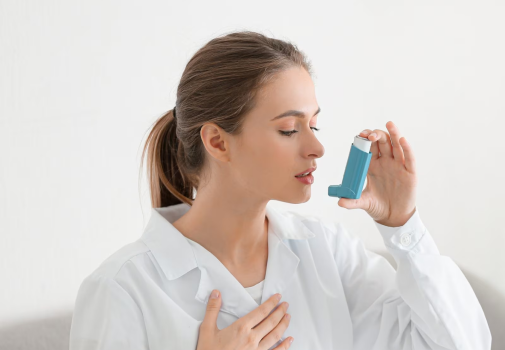
Asthma is a common and potentially serious chronic disease that affects people of all ages. It’s essential to understand this condition, its triggers, symptoms, and treatment options. At our Centers Urgent Care, we’re committed to providing information to help individuals better manage their health.

What is Asthma?
Asthma is a respiratory condition characterized by inflammation and narrowing of the airways in the lungs. These airways carry oxygen from the nose and mouth to the lungs. When the lining of the airways becomes inflamed and the muscles around them tighten, it can cause breathing difficulties, leading to an asthma attack.
According to the Centers for Disease Control and Prevention (CDC), approximately 25 million Americans have asthma, which equates to about 1 in 13 people.
Recognizing the Symptoms
The symptoms of asthma can vary from person to person and can range from mild to severe. Some individuals may only experience occasional mild symptoms, while others may have symptoms more often. Common asthma symptoms include:
- Shortness of breath
- Chest tightness or pain
- Wheezing when exhaling
- Trouble sleeping caused by shortness of breath, coughing or wheezing
- Coughing or wheezing attacks that are worsened by a respiratory virus, such as a cold or the flu
Asthma Risk Factors
Several factors may increase the likelihood of developing severe asthma itself. Both genetic and environmental factors play a role in this. Asthma risk factors include:
- Family history: If a parent or sibling has asthma, the chances are higher that an individual may develop the condition.
- Allergies: Those with allergies, especially airborne allergies, are at a greater risk of asthma.
- Occupational exposures: Jobs that expose individuals to chemical irritants or industrial dust may increase the risk of developing occupational asthma.
- Environmental factors: Exposure to pollution, smoke, and high levels of ozone can trigger asthma symptoms.
- Respiratory infections: Frequent respiratory infections during childhood can contribute to the development of asthma.
- Smoking: Smoking tobacco can not only increase the risk of asthma but also aggravate breathing problems.
- Obesity: Being overweight or obese can increase the risk of asthma, possibly due to the inflammation that comes with excess weight.
Understanding these risk factors can aid in the prevention of asthma development and the management of symptoms for those already diagnosed.
Triggers of Asthma
Asthma can be triggered by various factors, and understanding these can help manage the condition effectively. Common triggers include:
- Allergens like pollen, dust mites, mold spores, pet dander
- Irritants in the air, such as smoke, chemical fumes, and strong odors
- Respiratory illnesses, such as the common cold or flu
- Physical activity (exercise-induced asthma)
- Cold air
- Certain medications, including beta blockers, aspirin, and nonsteroidal anti-inflammatory drugs (NSAIDs)
- Strong emotions and stress
What An Asthma Attack Looks Like
An asthma attack occurs when the symptoms of asthma worsen suddenly. During an attack, the lining of the airways becomes more inflamed, the muscles around the airways tighten, and mucus production increases, severely narrowing the breathing passages. Signs of an asthma attack can include:
- Rapid breathing
- Severe wheezing when both inhaling and exhaling
- Coughing that won’t stop
- Very rapid heartbeat
- Tightened neck and chest muscles, known as retractions
- Difficulty talking
- Feelings of anxiety or panic
- Pale, sweaty face
Monitoring these signs and taking appropriate action is critical. In urgent cases, immediate medical attention at an urgent care center or emergency room is necessary. Asthma attacks can be frightening, but with proper treatment and management, individuals can maintain control over their severe asthma attacks.
Diagnosing Asthma
Diagnosis of asthma is an important step towards effective management of the condition. Medical professionals typically begin with a detailed medical history and a physical examination. They may inquire about the frequency, duration, and severity of symptoms, as well as any potential triggers that have been noticed. To confirm asthma and rule out other possible conditions, several diagnostic tests may be utilized:
- Spirometry: This common breathing test measures how much air one can exhale after a deep breath and how fast one can breathe out.
- Peak flow: A peak flow meter device measures how hard one can breathe out. Lower than normal peak flow readings are a sign that one’s lungs may not be working as well and that asthma may be worsening.
- Chest X-ray or EKG (electrocardiogram): These tests are used to rule out other conditions that might be causing symptoms similar to asthma, such as a foreign body in the airways or a heart condition.
- Allergy testing: This can be helpful to identify substances that may be triggering asthma.
- Methacholine challenge: Used if initial test results are normal but asthma is still suspected. Methacholine is an asthma trigger when inhaled, and if symptoms worsen, it typically indicates asthma.
- Nitric oxide test: This tests for higher than average levels of nitric oxide in the breath, a sign of airway inflammation.
Regular monitoring and tests after diagnosis are an essential part of managing asthma, helping to adjust treatments and control the condition effectively.

Managing Asthma
While there’s no cure for asthma, symptoms can be managed and controlled. It’s crucial to work with healthcare providers to create an asthma action plan. This plan will detail daily treatment, such as which asthma medicines to take and when to take them, and identify your asthma triggers to avoid them.
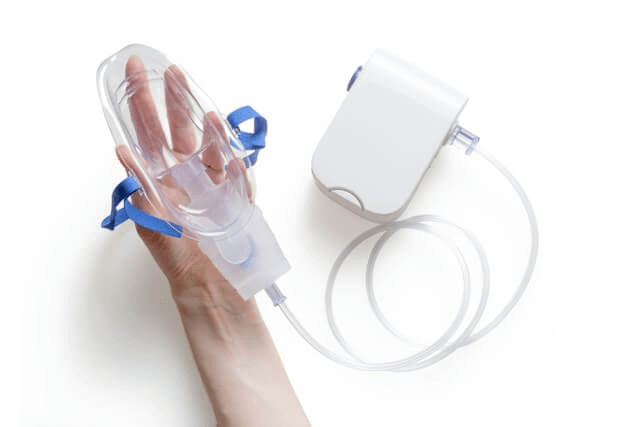
Medications used to treat asthma are generally classified into two categories: long-term control medications used to prevent symptoms and quick-relief (rescue) medications used to relieve symptoms that have already started. It’s essential to use these medications as prescribed and to keep them accessible at all times.
In addition to medication, making lifestyle changes can also help manage asthma symptoms. These include:
- Avoiding triggers
- Keeping a clean home environment to reduce exposure to allergens
- Staying physically active and maintaining a healthy weight
- Quitting smoking
Understanding the Role of Urgent Care
At our urgent care center, we’re committed to providing comprehensive and personalized care for all types of health concerns, including asthma. Our team of healthcare professionals is experienced in treating asthma symptoms and can work with individuals to develop a management plan that fits their unique needs. Whether it’s an unexpected asthma attack or regular check-ups, our urgent care center is equipped to help individuals better manage their health and improve their overall quality of life.
Conclusion
In conclusion, understanding asthma, its triggers, and how to manage it is the first step towards living a healthy and active life despite the condition. If you or someone you know experiences any of the symptoms mentioned above, we highly recommend visiting our Urgent Care center for a comprehensive evaluation and personalized treatment plan.
Remember, asthma can be serious, even life-threatening. But with proper treatment and management, most people with asthma can lead normal, healthy lives.
If you’re in need of urgent care in New York, don’t hesitate to visit Centers Urgent Care. Our experienced providers offer fast, accurate diagnoses and effective treatments for a wide range of urgent care needs.
Contact us today to schedule an appointment or learn more about our services!
2025 has changed my life. I never believed I would be cured by a spell caster who specializes in herbal cure and magical spells. I am talking about the help Doctor Odunga gave to me. I have been cured of herpes HPV which has plagued me for over 2 years. I am very happy to tell others that if you want to be cured or get your ex back spells and get pregnant naturally, even financial blessing through lottery, there is only one place to be and that is with Dr Odunga Spell Temple. Am so happy that just 3 days after taking DR ODUNGA Herbal treatments my herpes was cured permanently. DR ODUNGA also have cure to #HIV #Diabetes #Lupus #Tinnitus #Fibroid #Cancer #Hepatitis B, #Syphilis #Infertility etc … If you have this ailment or whatsoever you might be suffering from you should contact him at his EMAIL: odungaspelltemple@gmail.com OR VIA Whats App +2348167159012