

Assessing kidney health through blood tests plays a vital role in providing valuable insights into the functioning of the kidneys. Understanding the significance of these blood tests and familiarizing oneself with the common tests for evaluating kidney function is essential for proactive kidney health management.
Importance of Blood Tests for Kidney Disease
Blood tests are crucial in the early detection and monitoring of kidney disease, and urgent care centers play an essential role in providing these services. By analyzing specific markers in the blood, healthcare providers can assess how well the kidneys are filtering waste and maintaining overall health. Regular kidney function tests help in identifying potential issues early on, allowing for timely intervention and management to prevent further complications.
Common Blood Tests for Kidney Function
Several blood tests are commonly used to evaluate kidney function and overall renal health. These tests provide valuable information about various aspects of kidney function, such as filtration rate, waste product levels, and electrolyte balance. Understanding the purpose and implications of these tests is key to interpreting kidney disease blood test results accurately.

Understanding the importance of blood tests for kidney disease and familiarizing oneself with the common tests used to assess kidney function, individuals can take proactive steps to monitor their kidney health effectively. Regular screening and consultation with healthcare providers can help in early identification of potential issues and implementation of appropriate interventions to safeguard kidney function.
Interpreting Kidney Function Markers
Blood tests play a vital role in assessing kidney function and detecting potential issues early on. Two key markers that are commonly analyzed in kidney disease blood test results are serum creatinine levels and glomerular filtration rate (GFR).
Serum Creatinine Levels
Serum creatinine is a waste product generated by muscle metabolism and is typically filtered out of the blood by the kidneys. Elevated levels of serum creatinine in the blood may indicate impaired kidney function, as the kidneys may not be effectively filtering out this waste product.
- Men – 0.84 to 1.21 mg/dL
- Women – 0.66 to 1.00 mg/dL
A higher than normal serum creatinine level may suggest decreased kidney function and impaired filtration capabilities. Monitoring serum creatinine levels over time can help healthcare providers assess the progression of kidney disease and determine appropriate treatment plans.

Glomerular Filtration Rate (GFR)
The glomerular filtration rate (GFR) is a calculation that estimates how well the kidneys are filtering waste from the blood. A decline in GFR indicates decreased kidney function and impaired filtration capacity.
- 90 or above – Normal kidney function
- 60-89 – Mildly decreased kidney function
- 30-59 – Moderately decreased kidney function
- 15-29 – Severely decreased kidney function
- Less than 15 – Kidney failure, requiring dialysis or transplant
Understanding and interpreting kidney function markers such as serum creatinine levels and GFR provide valuable insights into the health of the kidneys and facilitate early detection and management of kidney disease. Regular monitoring of these markers can help individuals and healthcare providers assess kidney function, track progression, and implement appropriate interventions to maintain optimal kidney health.
Exploring Additional Blood Test Results
In addition to serum creatinine levels and glomerular filtration rate (GFR), blood urea nitrogen (BUN) levels and electrolyte levels play a crucial role in assessing kidney function. Understanding these blood test results is essential for evaluating kidney health.
Blood Urea Nitrogen (BUN) Levels
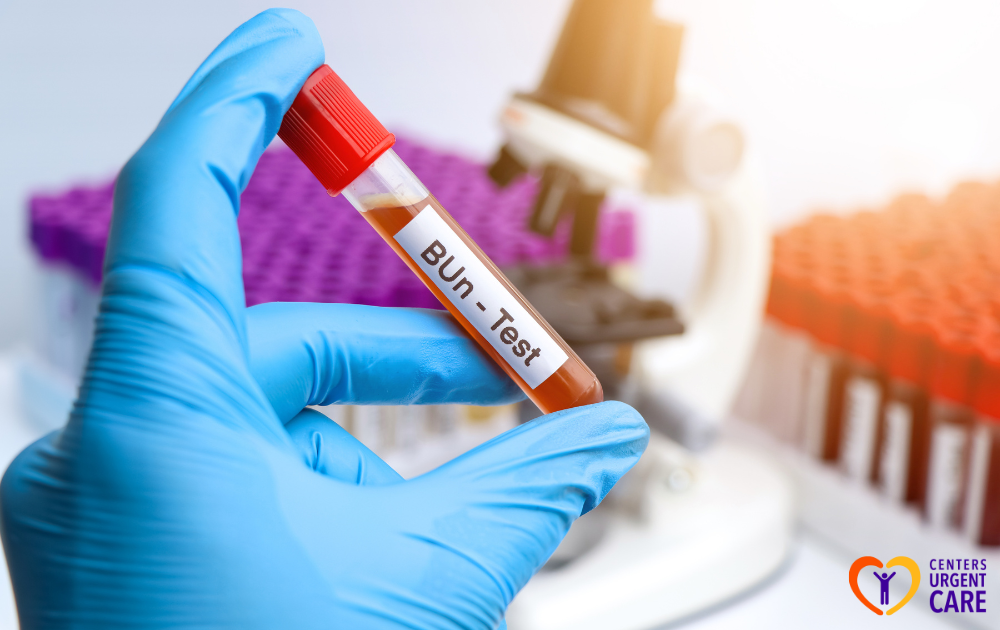
Blood urea nitrogen or BUN levels indicate the level of nitrogen in the bloodstream derived from urea, a byproduct of protein breakdown. Elevated BUN levels can indicate potential kidney dysfunction or dehydration, while low BUN levels may suggest liver disease or malnutrition.
- 7 – 20 mg/dL – Normal Range
- Above 20 mg/dL – Elevated (possible kidney dysfunction, dehydration)
- Below 7 mg/dL – Low (potential liver disease, malnutrition)
Monitoring BUN levels, along with other kidney function markers, provides valuable insights into overall kidney health and function.
Electrolyte Levels (Sodium, Potassium, Calcium)
Electrolytes like sodium, potassium, and calcium play a crucial role in various bodily functions, including maintaining fluid balance, nerve conduction, and muscle function. Kidney function is closely linked to electrolyte balance, making it essential to assess these levels in blood tests.
- Sodium (Na) – 135 – 145 mEq/L
- Potassium (K) – 3.5 – 5.0 mEq/L
- Calcium (Ca) – 8.5 – 10.5 mg/dL
Exploring additional blood test results such as BUN levels and electrolyte levels, individuals can gain a comprehensive understanding of their kidney health status and make informed decisions regarding further evaluation and potential treatment options. Regular monitoring of these parameters is vital for maintaining optimal kidney function and overall well-being.
Potential Abnormal Results and Implications
Interpreting kidney disease blood test results, certain abnormalities may indicate underlying issues that require attention. Understanding the significance of high creatinine levels, low Glomerular Filtration Rate (GFR) results, and elevated Blood Urea Nitrogen (BUN) and electrolyte imbalances is crucial for identifying potential kidney health concerns.
High Creatinine Levels
Creatinine is a byproduct generated by muscle activity and removed from the bloodstream by the kidneys. Elevated levels of creatinine in the blood can indicate impaired kidney function. High creatinine levels may suggest acute or chronic kidney disease, dehydration, obstruction of the urinary tract, or other health conditions affecting kidney function.
- Men: 0.6 – 1.2 mg/dL
- Women: 0.5 – 1.1 mg/dL
If creatinine levels are consistently elevated, it is essential to consult a healthcare provider for further evaluation and management to prevent potential kidney damage.
Low GFR Results
The Glomerular Filtration Rate (GFR) is a measure of kidney function that estimates how well the kidneys are filtering waste from the blood. A low GFR indicates decreased kidney function and may suggest kidney disease. Factors such as age, gender, race, and underlying health conditions can influence GFR results.
- Normal GFR: 90 or above
- Mildly Reduced GFR: 60 – 89
- Moderately Reduced GFR: 30 – 59
- Severely Reduced GFR: 15 – 29
- Kidney Failure: Below 15
Low GFR results require medical attention to determine the cause and appropriate management strategies to preserve kidney function and overall health.

Elevated BUN and Electrolyte Imbalances
Blood Urea Nitrogen (BUN) levels and electrolyte concentrations, such as sodium, potassium, and calcium, are also essential indicators of kidney health. Elevated BUN levels can signal kidney dysfunction, dehydration, or other factors affecting kidney filtration. Imbalances in electrolytes can disrupt essential body functions and may indicate kidney or metabolic disorders.
- BUN: 7 – 20 mg/dL
- Sodium: 135 – 145 mEq/L
- Potassium: 3.5 – 5.0 mEq/L
- Calcium: 8.5 – 10.2 mg/dL
Being aware of these potential abnormal results and their implications empowers individuals to take proactive steps in managing kidney health and seeking appropriate medical guidance when necessary. Regular monitoring of kidney function through blood tests and timely intervention can help maintain optimal kidney health and overall well-being.
Follow-Up Testing and Treatment Options
Depending on the initial blood test results and the evaluation by your healthcare provider, further testing and treatment options may be recommended to assess the extent of kidney damage and determine the most appropriate course of action. These may include:
- Ultrasound: An ultrasound of the kidneys can provide detailed images of the kidneys, helping to identify any structural abnormalities or blockages that may be impacting kidney function.
- Kidney Biopsy: In some cases, a kidney biopsy may be recommended to obtain a tissue sample for further analysis and to evaluate the underlying cause of kidney disease.
- Medication Management: Your healthcare provider may prescribe medications to manage underlying conditions contributing to kidney disease, such as high blood pressure or diabetes.
- Dietary Changes: Making dietary modifications, such as reducing sodium intake and increasing fluid consumption, can help support kidney health and manage certain types of kidney disease.
- Lifestyle Modifications: Incorporating regular exercise, maintaining a healthy weight, and avoiding smoking can also play a significant role in preserving kidney function and overall health.
Actively engaging with your healthcare provider and exploring follow-up testing and treatment options, you can take proactive steps to address kidney disease and safeguard your kidney health. Remember that early detection, effective management, and ongoing monitoring are key components of maintaining kidney function and overall well-being.
Importance of Hydration and Balanced Diet
Hydration and nutrition play a vital role in maintaining optimal kidney function. Proper hydration helps to flush out toxins and waste products, reducing the burden on the kidneys. Additionally, a balanced diet provides essential nutrients while minimizing the risk of kidney damage. Here are some key points to consider:
Hydration:
- Aim to drink an adequate amount of water throughout the day to support kidney function.
- Monitor urine color; pale yellow to clear urine indicates proper hydration.
- Limit intake of sugary and caffeinated beverages that can strain the kidneys.

Balanced Diet:
- Low Sodium Intake – Helps maintain healthy blood pressure and reduce fluid retention.
- Adequate Protein Consumption – Supports muscle health without overburdening the kidneys.
- Controlled Phosphorus and Potassium Intake – Important for individuals with kidney issues to prevent complications.
- Balanced Fluid Intake – Regulates electrolyte levels and reduces the risk of dehydration.
Focusing on lifestyle modifications, proper hydration, and a balanced diet, individuals can play a proactive role in supporting kidney health and minimizing the risk of kidney disease. Consulting a healthcare provider for personalized recommendations ensures that your health needs are met with expert guidance. At Centers Urgent Care, we deliver fast, high-quality urgent care services in New York for both children and adults, designed to provide reliable, compassionate support. Contact us today to experience the best urgent care and let us help you on your journey to better health!
Sources:
2025 has changed my life. I never believed I would be cured by a spell caster who specializes in herbal cure and magical spells. I am talking about the help Doctor Odunga gave to me. I have been cured of herpes HPV which has plagued me for over 2 years. I am very happy to tell others that if you want to be cured or get your ex back spells and get pregnant naturally, even financial blessing through lottery, there is only one place to be and that is with Dr Odunga Spell Temple. Am so happy that just 3 days after taking DR ODUNGA Herbal treatments my herpes was cured permanently. DR ODUNGA also have cure to #HIV #Diabetes #Lupus #Tinnitus #Fibroid #Cancer #Hepatitis B, #Syphilis #Infertility etc … If you have this ailment or whatsoever you might be suffering from you should contact him at his EMAIL: odungaspelltemple@gmail.com OR VIA Whats App +2348167159012