

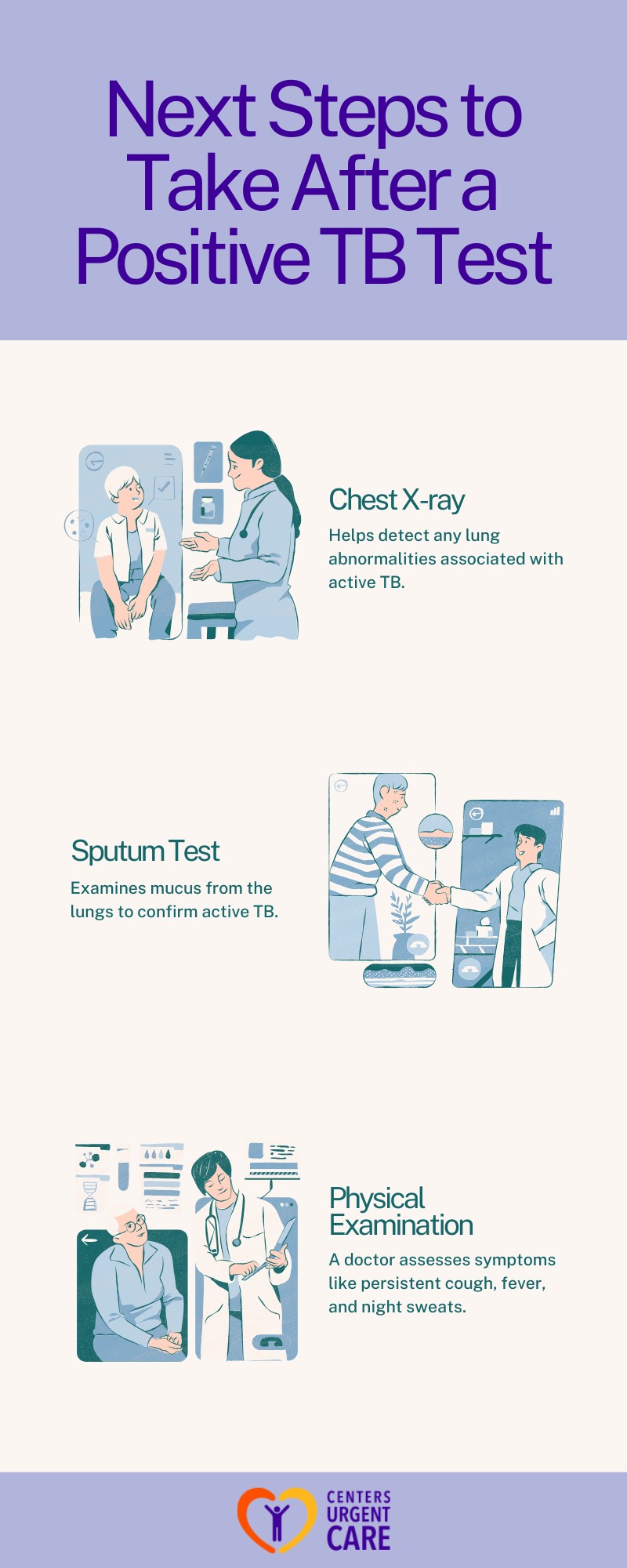
Latent TB vs. Active TB
Understanding the difference between latent and active tuberculosis (TB) is crucial for proper diagnosis and treatment. While latent TB remains dormant without symptoms or contagion, active TB spreads easily and requires urgent medical attention. Here’s a quick comparison:
- Latent TB: The bacteria are in the body but inactive. No symptoms, not contagious. Requires preventive treatment.
- Active TB: The bacteria are multiplying. Symptoms include coughing, weight loss, and fatigue. It is contagious and needs immediate treatment.
Treatment Options for TB
Treatment depends on whether TB is latent or active. Both require medication, but the approach differs.
Latent TB Treatment:
- Isoniazid (INH) for 6-9 months.
- Rifampin (RIF) for 4 months.
- Combination therapy (INH + Rifapentine) for 3 months.
Active TB Treatment:
- Combination of antibiotics (INH, RIF, Ethambutol, Pyrazinamide) for 6 months.
- Directly observed therapy (DOT) ensures medication adherence.
- Regular follow-ups to monitor progress.
Can TB Be Prevented?
Yes, TB prevention strategies include:
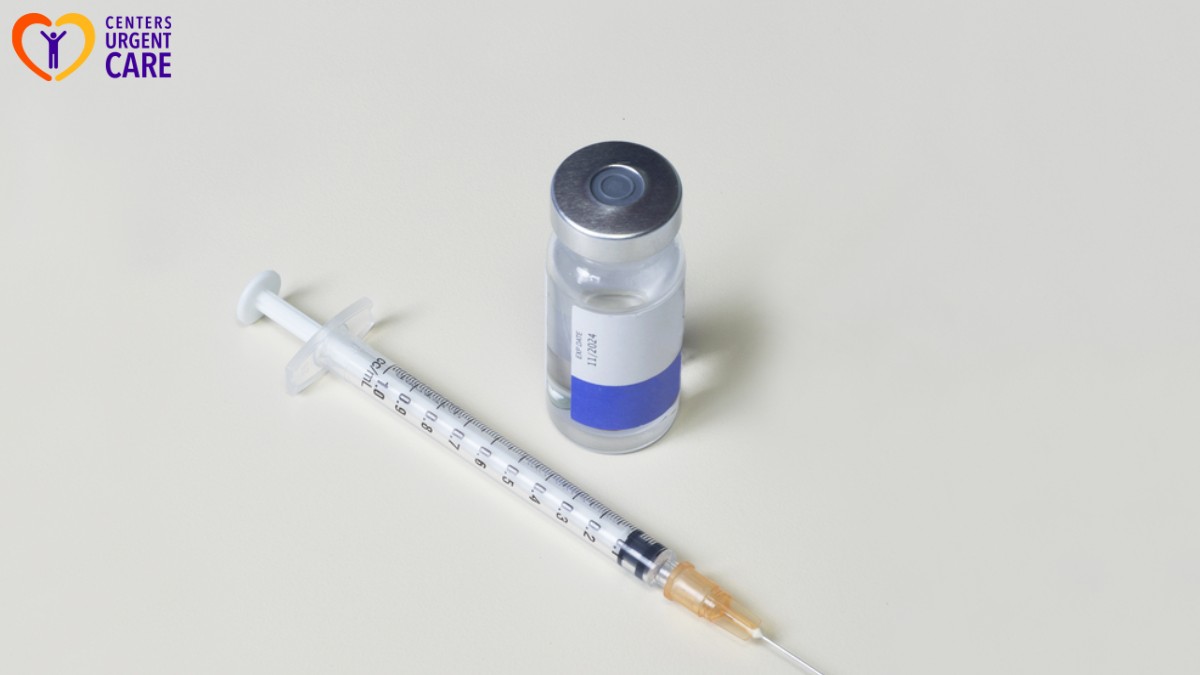
- Vaccination: BCG vaccine helps protect against severe TB in children.
- Screening and Early Detection: Regular testing for high-risk individuals.
- Preventive Treatment: Taking medication if diagnosed with latent TB.
When to Seek Medical Help
If you have been exposed to TB or experience symptoms such as prolonged cough, fever, or night sweats, seek medical attention immediately. Delaying treatment can lead to serious complications and increase the risk of spreading the infection.
Get Expert TB Testing and Care at Centers Urgent Care
If you need a tuberculosis test or follow-up care, Centers Urgent Care offers fast and reliable medical services for children and adults. Our urgent care in New York City provides thorough TB testing, diagnostics, and treatment options to ensure your health and safety. Visit Centers Urgent Care today for professional and compassionate care.