

Key Points:
- Urgent care offers same-day treatment for common childhood injuries and illnesses that can’t wait for a pediatrician visit.
- Clinics handle issues like sprains, cuts, fevers, breathing troubles, and allergic reactions with shorter waits than ERs.
- Knowing when urgent care is essential helps parents avoid unnecessary ER trips while ensuring kids get timely, effective care.
When a child suddenly spikes a fever, twists an ankle, or develops a rash that won’t go away, parents are often left wondering, should we wait, call the pediatrician, or head straight to the ER? The truth is, many non-life-threatening but urgent issues fall into a middle ground where fast care still matters.
This is where urgent care services step in, offering walk-in access, extended hours, and treatment for everything from sprains and cuts to respiratory distress.
Knowing when to choose urgent care over waiting can save time, prevent complications, and ease a parent’s worry. Let’s explore five times urgent care is essential for kids.
1. Moderate Injuries: Sprains, Suspected Fractures & Deep Cuts
Kids are active, and accidents happen. When your child twists an ankle, falls off a bike, or gets a deep cut, the urgency depends on the severity:
When urgent care is suitable:
- Swelling, pain, or difficulty walking (but no obvious bone deformity)
- A laceration that is deep but can potentially be stitched
- Minor to moderate bleeding that slows with pressure
Urgent care often has X-ray and imaging capabilities, plus the ability to clean and suture wounds.
When you must go to the ER or call 911:
- Bone visibly broken, bent, or protruding through the skin
- Loss of feeling, color change, or numbing near the injury
- Bleeding that will not stop with pressure
- Head, neck, or spine injury with confusion or unconsciousness
If you are unsure whether an X-ray is needed, urgent care centers that offer on-site imaging reduce delays and unnecessary ER visits.
2. High Fevers in Very Young Infants or with Alarming Symptoms
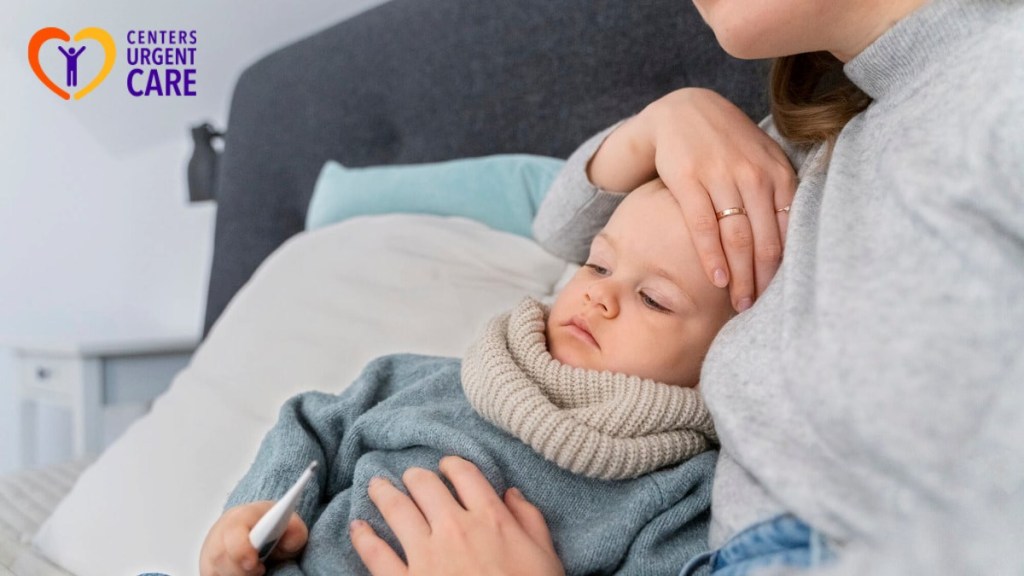
Fevers are among the most common concerns parents face, but not all fevers are alike.
When urgent care works:
- A fever in a toddler or school-age child who is otherwise acting fairly well, eating, and drinking, especially when paired with cold symptoms
- Fevers that respond somewhat to fever reducers and are accompanied by manageable symptoms
In these cases, urgent care can diagnose and manage many common infections.
When urgent care is not enough (go to ER):
- Infants less than 2 months old with any fever (≥ 100.4°F / 38°C)
- Fever accompanied by stiff neck, severe headache, rash that does not fade under pressure, or confusion
- Fever plus lethargy, inability to wake, or refusal to drink
In very young infants, fevers can be a warning sign of serious infections. Err on the side of caution and seek emergency help.
3. Persistent Vomiting, Dehydration, or Gastrointestinal Distress
Stomach bugs and GI illnesses are common in kids, and most cases improve at home. But some situations require prompt evaluation:
When urgent care is suited:
- Vomiting or diarrhea that persists for a day or two but the child can still take small sips of liquid
- Mild signs of dehydration (dry lips, concentrated urine, fewer wet diapers)
- Abdominal pain that is not sharp or worsening
Urgent care can assess hydration status, provide oral or IV fluids (in many centers), and order necessary labs.
When the ER is necessary:
- Inability to keep anything down for many hours (especially in infants)
- Bloody vomit or stool
- Severe abdominal pain, especially if it is sudden or localized (possible appendicitis)
- Signs of severe dehydration: very few or no wet diapers, dry mouth, sunken eyes, listlessness
Prompt fluid management can prevent dangerous complications. If you see signs of serious dehydration or bloody symptoms, go straight to the ER.
4. Respiratory Distress, Asthma Flare, or Breathing Trouble
Breathing issues are always concerning. Some are mild and manageable, while others are immediately dangerous.
When urgent care applies:
- Mild to moderate asthma flare-up where the child responds to inhalers but still needs professional monitoring
- Persistent cough, wheezing, or congestion without severe breathing effort
- Upper respiratory infections with wheeze
Many pediatric urgent care centers are equipped to evaluate and treat respiratory illnesses, often with nebulizers or inhalers.
When to head to the ER or call for help:
- Extreme shortness of breath, chest retractions (skin pulling in between ribs), or gasping
- Lips or face turning blue (cyanosis)
- Rapid increase in breathing rate or trouble speaking
- Wheezing that does not respond to inhaler treatments
If symptoms escalate rapidly, immediate emergency care is critical.
5. Allergic Reactions, Severe Rashes, or Swelling

Allergies can progress quickly, especially in children with sensitivities.
When urgent care is acceptable:
- Hives, mild swelling (for example, lips or face) without breathing problems
- Skin rashes without systemic symptoms
- Itchy eye or local swelling (such as insect bite) without airway involvement
Urgent care can administer antihistamines, steroids, or monitor worsening symptoms.
When the ER is necessary:
- Swelling of the throat, tongue, or difficulty swallowing
- Trouble breathing, wheezing, or wheezing with hives
- Rapid onset of rash or full-body hives with systemic symptoms
Severe allergic reactions require quick treatment such as epinephrine and airway support in an ER.
Tips for When You’re Rushing Out the Door
- Keep a small first aid kit at home (sterile gauze, bandages, thermometer, antiseptic).
- Know where the closest pediatric urgent care and children’s hospital are located.
- Store your child’s medical history (allergies, chronic conditions) and medications in your phone.
- If possible, call the clinic ahead, some urgent cares offer phone triage advice.
- Stay calm, comfort your child, and if possible, bring someone with you.
Don’t Guess. Know for Sure.
Busy families don’t always have time to wait for a pediatrician appointment or spend hours in an ER. Urgent care provides a safe, practical solution with walk-in access, extended hours, and immediate treatment for many common childhood concerns, from fevers and cuts to breathing issues and allergic reactions.
Whether it’s a sudden injury after school or weekend flu symptoms, urgent care centers are designed to deliver fast, professional care right when it’s needed most.
From urgent care in Brooklyn to urgent care in Forest Hills, New York families have trusted, convenient options nearby. Need urgent medical help without the long wait? Visit Centers Urgent Care for compassionate walk-in services across Brooklyn, Boro Park, Flatbush, Coney Island, Forest Hills, Fulton, and Middle Village. Contact us and get the care your child needs today.