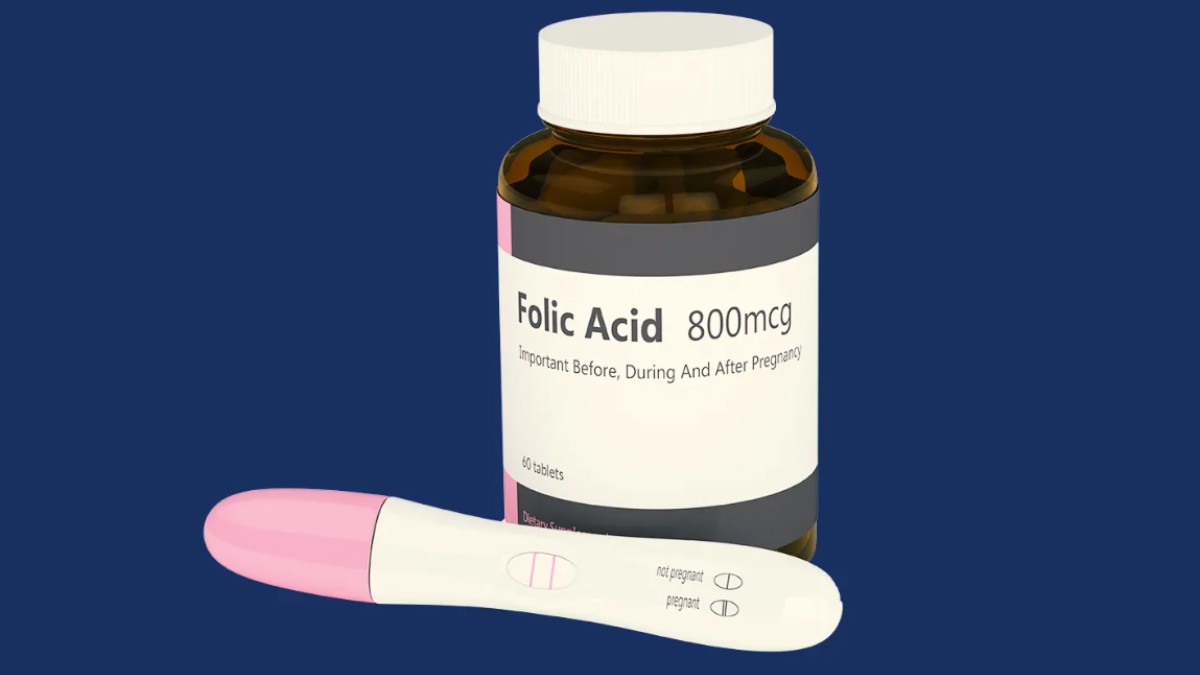
The Science Behind Folic Acid and Pregnancy
Folic acid, a synthetic form of folate (vitamin B9), plays a key role in red blood cell production and DNA synthesis. During pregnancy, the demand for folate increases significantly. Since many women don’t get enough folate from food alone, doctors strongly recommend supplements before and during pregnancy.
How Much Folic Acid Do You Need?
A woman planning to conceive should start taking folic acid at least one month before pregnancy. The recommended intake varies depending on individual needs:
- Standard recommendation: 400-600 mcg per day.
- For high-risk pregnancies: Up to 4,000 mcg per day under medical supervision.
- During breastfeeding: 500 mcg per day to support continued maternal and infant health.
What Happens if You Don’t Get Enough Folic Acid?
A deficiency in folic acid during pregnancy can lead to serious complications, including:
- Neural tube defects (NTDs): Conditions like spina bifida and anencephaly, where the baby’s brain and spine fail to form properly.
- Low birth weight: Babies born with insufficient folic acid intake may have developmental delays.
- Preterm birth: Studies link low folic acid levels with an increased risk of premature delivery.
- Maternal anemia: Insufficient folate can lead to megaloblastic anemia, making the mother feel weak and fatigued.

Best Sources of Folic Acid for Expecting Mothers
While supplements are highly recommended, getting folic acid from food is equally important. Some top sources include:
Natural Sources
- Leafy greens (spinach, kale, lettuce)
- Citrus fruits (oranges, lemons, grapefruits)
- Legumes (lentils, chickpeas, black beans)
- Avocados
- Beets
- Brussels sprouts
Fortified Foods
- Breakfast cereals (look for “fortified with folic acid” on the label)
- Bread and pasta made from enriched flour
- Rice
- Orange juice
Supplements
Even with a healthy diet, many women still don’t meet the daily folic acid requirement. Prenatal vitamins help bridge this gap. It’s crucial to choose a supplement that includes at least 400 mcg of folic acid to meet pregnancy needs.
When Should You Start Taking Folic Acid?
Doctors recommend taking folic acid even before conception. The baby’s neural tube forms within the first few weeks of pregnancy—often before a woman knows she is expecting. Taking folic acid early ensures the best protection against birth defects.
- Before conception: At least one month prior.
- First trimester: Most critical stage for neural tube formation.
- Throughout pregnancy: Continues to support fetal growth and development.
- Postpartum: Supports maternal recovery and breastfeeding.