
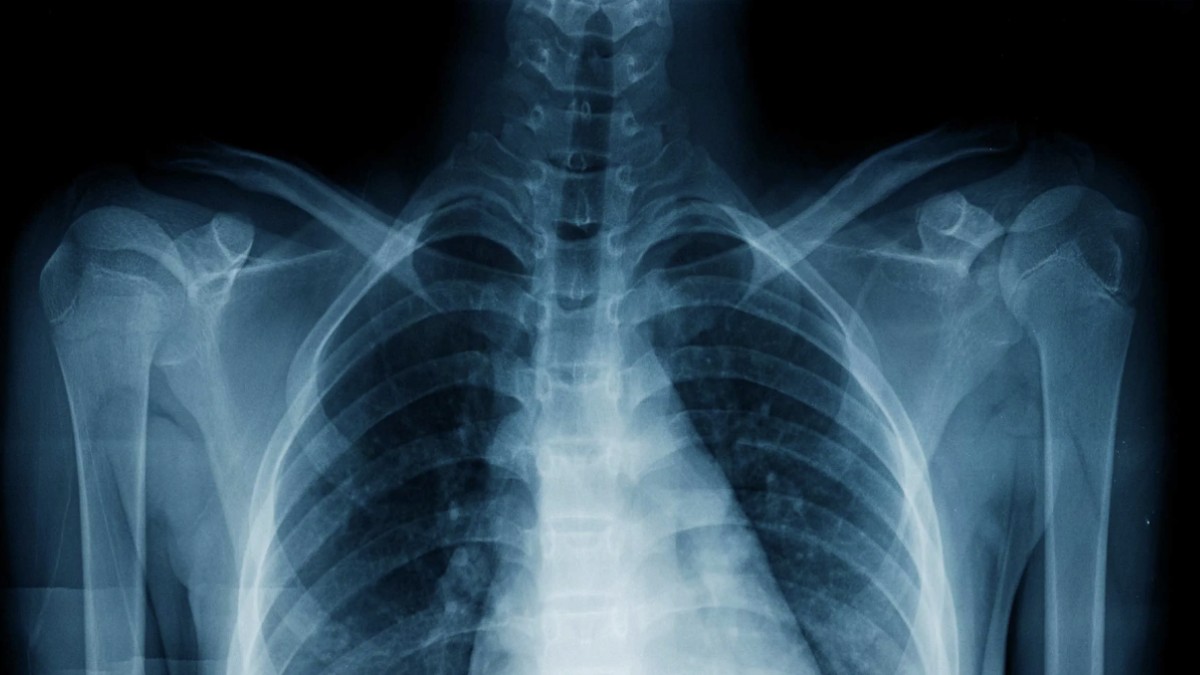
Diagnostic imaging plays a crucial role in modern medicine, helping doctors identify and treat a wide range of conditions.Two of the most common imaging techniques used in healthcare today are X-rays and MRI (Magnetic Resonance Imaging). While both serve similar purposes—helping medical professionals view the internal structures of the body—there are important differences between the two. Let’s dive into the key distinctions between X-ray and MRI.
What is an X-ray?
X-rays are one of the most widely used imaging techniques in healthcare. This method involves passing a controlled amount of radiation through the body to create images of the internal structures. The radiation is absorbed differently by different tissues, with dense tissues like bones absorbing more radiation, which makes them appear white on the image. This makes X-rays particularly useful for diagnosing conditions related to bones and hard tissues.
What X-rays are used for:
- Fractures and Bone Issues: X-rays are incredibly effective in identifying bone fractures, dislocations, and joint issues.
- Infections and Pneumonia: X-rays can reveal infections in the lungs, such as pneumonia, or lung conditions like tuberculosis.
- Certain Types of Cancer: Tumors in the chest or abdomen are often visible in X-rays.
While X-rays are invaluable in emergency settings and for routine screenings, they are limited in visualizing soft tissues, which is where MRI excels. If you’re curious about how long it takes to get X-ray results, check out our article, “Wondering How Long X-Ray Results Take? Find Out Here,” for a quick and helpful breakdown.
What is an MRI?
MRI, or Magnetic Resonance Imaging, uses powerful magnets and radio waves to create detailed images of the body’s internal structures. Unlike X-rays, MRIs do not rely on radiation, making them a safer alternative, particularly for repeated use. The process involves aligning the hydrogen atoms in the body with a magnetic field, then using radio waves to create images of these atoms as they return to their original alignment.
What MRIs are used for:
- Soft Tissue Imaging: MRIs are ideal for imaging muscles, ligaments, tendons, and organs.
- Neurological Conditions: MRI is the preferred tool for assessing the brain, spinal cord, and nerves, making it crucial in diagnosing neurological conditions.
- Cardiovascular Issues: MRIs can be used to evaluate the heart and blood vessels, helping diagnose problems like heart disease and aneurysms.
Because of its ability to produce high-resolution images of soft tissues, MRI is often the go-to option for more complex diagnostic challenges

X-ray vs MRI: What’s the Difference?
Now that we’ve explored what each imaging technique does, let’s break down their key differences.
Imaging Method
- X-ray: Uses ionizing radiation to create images of bones and dense tissues.
- MRI: Uses magnetic fields and radio waves, making it radiation-free.
Best for Viewing
- X-ray: Primarily used for bone fractures, lung conditions, and some cancers.
- MRI: Best for soft tissue, such as muscles, organs, brain, and spinal cord.
Duration
- X-ray: Takes a few seconds to minutes.
- MRI: Takes between 20 to 60 minutes depending on the area being examined.
Safety
- X-ray: Involves exposure to radiation, which can accumulate over time.
- MRI: No radiation, making it a safer long-term option.
Cost and Accessibility
- X-ray: More widely available and typically less expensive.
- MRI: More expensive and requires specialized equipment, meaning it’s less accessible.
Which Should You Choose: X-ray or MRI?
Choosing between an X-ray and MRI depends largely on the type of condition you’re dealing with. If you suspect a bone fracture or have lung-related concerns, an X-ray is likely your best option. However, for soft tissue issues, neurological conditions, or complex joint problems, an MRI is preferred.
For example, if you’ve been in an accident and have pain in your bones or joints, an X-ray can quickly reveal fractures or dislocations. On the other hand, if you’re experiencing unexplained neurological symptoms, an MRI would provide a better understanding of what might be happening in the brain or spine.
Both imaging tools are critical in their own right, and often doctors will recommend one over the other based on the specific symptoms and conditions they suspect.
When to Use X-ray and MRI in Healthcare?
There are times when a combination of both X-ray and MRI might be needed to give a comprehensive view of a patient’s health. Here are some scenarios where you might encounter both:

X-ray vs MRI: Which is Better for Specific Conditions?
Choosing between X-ray and MRI? Here’s a quick guide on which imaging method is preferred for various conditions:
- Bone Fractures: X-ray
- Soft Tissue Injuries: MRI
- Joint Issues: MRI for soft tissues, X-ray for bones
- Lung Infections: X-ray
- Brain Tumors and Spinal Issues: MRI
- Heart Conditions: MRI for heart and blood vessels
When Should You Seek Urgent Care for Imaging?
If you need an X-ray or MRI to diagnose a condition quickly, don’t wait—seek medical attention right away. Many urgent care centers can provide diagnostic imaging services to help assess your needs without long waits or appointments. At Centers Urgent Care, we offer efficient, high-quality services for both children and adults, ensuring that you receive the best care without unnecessary delays.
Our experienced medical team is here to support you every step of the way. For fast, reliable urgent care in New York, don’t hesitate to contact us today to schedule an appointment and get the care you deserve.
Honestly, this Love spell caster made me feel a lot better. My marriage was restored and my husband came back to me he apologized for all the wrongs he did and promise never to do it again. A big thanks to this wonderful psychic for bringing my husband back to me.. I never really believed in magic spells or anything spiritual but a trusted friend opened my eyes to the truth about life. My marriage was heading to divorce a few months ago. I was so confused and devastated with no clue or help on how to prevent it, till I was introduced to Dr. Excellent that did a love spell and broke every spiritual distraction from my marriage. A day later my husband started showing me love and care even better than it used to be, he’s ready to talk things through and find ways for us to stay happy. It’s such a miracle that my marriage can be saved so quickly without stress. You can also contact him for help. Here his contact. Call/WhatsApp him at: +2348084273514 “Or email him at: Excellentspellcaster@gmail. com
Hello, my name is Carly Arden. I want to thank Dr. Peter for bringing back my ex-husband. I was once a skeptic, never believing in magic spells, but a trusted co-worker convinced me to give Dr. Peter a try. It was the best decision I’ve ever made. After two divorces, my third marriage was falling apart, and I was desperate. My husband had left me again, and I didn’t know what to do. Dr. Peter’s love spell worked like a miracle. My husband came back, and we are now happier than ever. Dr. Peter helped us realize how much we love and need each other. If you’re dealing with a broken relationship, Dr. Peter can help. You can reach him via: WhatsApp: +1 (646) 494-4360
Email: drpeterspellcaster21@gmail.com