

Childhood trauma is a deeply transformative experience that shapes a child’s emotional, psychological, and physical well-being. It occurs when a child is exposed to events that overwhelm their ability to cope and may leave lasting scars that affect their growth into adulthood. Understanding the causes of trauma in childhood is essential for fostering empathy and creating supportive environments for children who may be affected. A comprehensive DOT Physical can help identify any physical effects of trauma that may need attention. By identifying the sources of trauma, we can better support children in overcoming challenges and offer them the tools to build resilience.
Defining Childhood Trauma
Trauma can be classified into various types based on the nature and impact of the events. For children, traumatic events can range from direct harm or abuse to witnessing traumatic events or experiencing emotional neglect. Trauma disrupts a child’s sense of safety and security, often manifesting in emotional, behavioral, and physical symptoms. Understanding these effects is important for caregivers, educators, and therapists to recognize signs of trauma and provide timely intervention.
4 Types of Childhood Trauma and Their Causes
Childhood trauma can take many forms, each with unique consequences for the child’s development and emotional well-being. Understanding the different types of trauma and their underlying causes is essential for providing the appropriate care and intervention. Below, we explore the various types of childhood trauma, highlighting the significant impact each can have on a child’s life.
Physical Abuse: A Silent Destroyer of Trust
Physical abuse is one of the most visible forms of childhood trauma, causing immediate harm to a child’s body while also leading to deeper emotional wounds. It often occurs in households where anger, frustration, or other emotions lead to violent outbursts toward children. The long-term consequences of physical abuse include not only physical injuries but also severe emotional difficulties. Children who experience physical abuse may develop anxiety, depression, and difficulty in forming trusting relationships.
The causes of physical abuse are varied. Factors such as substance abuse, domestic violence, a history of childhood trauma in the parent’s own life, and mental health struggles can contribute to the occurrence of physical violence. Understanding these contributing factors is critical in intervening before the cycle of abuse continues.
Emotional Abuse: The Hidden Wounds
While emotional abuse may not leave visible scars, its effects on a child can be just as harmful as physical trauma. Emotional abuse occurs when a child is consistently subjected to verbal attacks, humiliation, or manipulation. This can involve belittling, controlling, or emotionally neglecting a child in such a way that it damages their sense of self-worth and mental health.
Emotional abuse often occurs in environments where parents or caregivers themselves are dealing with their own emotional distress or where there is a lack of emotional literacy. Children who experience emotional abuse may struggle with self-esteem, trust, and even their ability to form healthy relationships in adulthood.
Sexual Abuse: A Violation of Innocence
Sexual abuse is one of the most devastating forms of trauma that children can face. It involves any unwanted sexual contact or behavior directed toward a child and can lead to profound emotional and psychological scars. The impact of sexual abuse is far-reaching and often results in difficulties such as post-traumatic stress disorder (PTSD), anxiety, depression, and a distorted understanding of relationships and intimacy.
The causes of sexual abuse can be traced to a range of complex societal, familial, and psychological factors. In many cases, sexual abuse is perpetrated by someone the child knows, including family members, making it even more difficult for the child to report the abuse. The cycle of silence and shame often perpetuates the trauma, as children feel isolated and helpless.
Neglect: The Absence of Care and Affection
Childhood neglect occurs when a child’s basic needs—such as food, shelter, safety, education, and emotional support—are not met by their caregivers. The absence of nurturing care can have lasting effects on a child’s development, as children require a safe and supportive environment to thrive. Neglect can lead to developmental delays, attachment issues, and challenges in school and social settings.
The causes of neglect can range from poverty and substance abuse to mental health issues in caregivers. In some cases, neglect may stem from a lack of knowledge or awareness about the child’s needs. However, no matter the cause, the outcome is often the same—children who are neglected face barriers in reaching their full potential.
4 External Causes of Trauma in Childhood
Considering the external causes of trauma in childhood, it’s important to recognize the various factors that can have lasting effects on a child’s development and mental well-being. These external influences, often beyond a child’s control, can disrupt their sense of security, leading to a host of emotional and psychological challenges. Below, we explore several significant external causes of trauma that can shape a child’s life experience, including poverty, bullying, natural disasters, and witnessing domestic violence. Each of these factors presents unique challenges and requires tailored support to mitigate their effects.
Poverty: A Breeding Ground for Adverse Experiences
Poverty is a significant external factor contributing to childhood trauma. Children who grow up in poverty often face multiple stressors, including food insecurity, inadequate housing, and exposure to violence or crime. These stressors not only affect a child’s physical health but also lead to emotional distress and feelings of hopelessness.
The lack of access to essential services such as healthcare, education, and mental health support can exacerbate the effects of trauma. Children in poverty may also experience a sense of social isolation or stigma, further compounding the impact of traumatic experiences.

Bullying: Psychological Harm That Lasts
Bullying, whether physical, verbal, or cyber, is a prevalent cause of childhood trauma. Children who are bullied may suffer from social rejection, fear, and humiliation, all of which can lead to lasting psychological harm. The repetitive nature of bullying can severely impact a child’s self-esteem and mental health, leading to anxiety, depression, and even suicidal thoughts.
The causes of bullying are complex, with factors such as peer pressure, societal norms, and a lack of adult intervention contributing to its prevalence. Addressing bullying requires a multi-faceted approach, including teaching children emotional regulation skills, promoting empathy, and creating safe environments for children to express themselves.
Natural Disasters: Unpredictable and Devastating
Experiencing natural disasters such as hurricanes, earthquakes, or wildfires can be deeply traumatic for children. These events disrupt the child’s sense of safety and can lead to the loss of family members, homes, and communities. In addition to physical harm, children who experience natural disasters often suffer from emotional distress, including nightmares, fear, and PTSD.
The trauma from natural disasters can persist for years, especially if children do not have access to proper mental health support or if the disaster is compounded by other stressors, such as poverty or loss of parental support.
Witnessing Domestic Violence: A Silent Trauma
Children who witness domestic violence often experience trauma that is as damaging as physical abuse. The psychological effects of witnessing violence can lead to anxiety, depression, and behavioral issues. Children may develop a skewed understanding of relationships, believing that violence is a normal part of conflict resolution.
The causes of domestic violence are multi-faceted, with factors such as substance abuse, mental health issues, and generational trauma playing a role. However, witnessing domestic violence can also affect a child’s social and academic functioning, with many children struggling to concentrate or interact with others in healthy ways.
2 Psychological Causes of Trauma in Childhood
Psychological trauma in childhood can stem from various sources, many of which significantly impact a child’s emotional and mental development. These early experiences often shape how children perceive themselves and interact with the world around them. Below, we explore some of the key psychological causes of trauma during childhood, starting with parental separation or divorce, followed by the challenges of growing up in a household affected by mental health struggles.
Parental Separation or Divorce: A Shattering of Stability
Parental separation or divorce can be a traumatic experience for children, particularly when it involves conflict between parents or a sudden disruption of the family structure. Children often feel torn between their parents, and the emotional upheaval can lead to feelings of abandonment, confusion, and loss.
The psychological impact of parental separation is particularly profound when children are exposed to ongoing conflict or if the divorce is not handled with sensitivity and care. Children may struggle with attachment issues and have difficulty forming relationships later in life as a result.
Mental Health Struggles: A Strain on Parental Relationships
Children who grow up with parents or caregivers who struggle with mental health issues are at an increased risk of trauma. Mental health conditions such as depression, anxiety, or substance use disorders can affect a parent’s ability to provide the care, stability, and emotional support that a child needs.
Children in these households may feel neglected or emotionally abandoned, leading to emotional and psychological trauma. The stress of growing up in a household affected by mental illness can also contribute to a child’s own mental health struggles later in life.
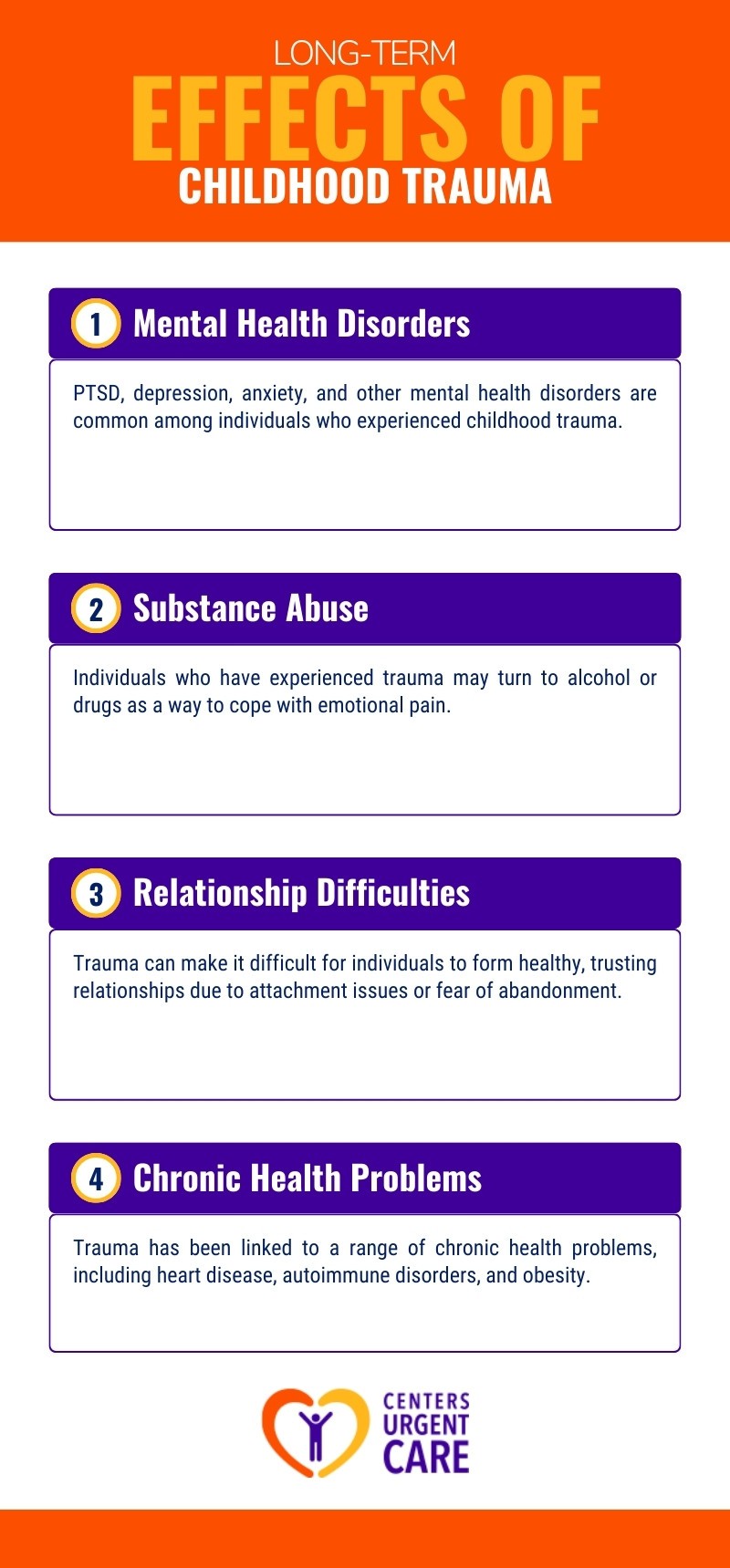
4 Long-Term Effects of Childhood Trauma
Childhood trauma can have far-reaching consequences that affect a child’s physical health, emotional well-being, and social interactions into adulthood. Some of the most common long-term effects include:
Healing and Overcoming Trauma
While childhood trauma can have lasting effects, it is possible to heal and build resilience. Therapeutic approaches, such as trauma therapy, cognitive-behavioral therapy, and mindfulness practices, can help children and adults process their experiences and learn coping strategies. Supportive environments that prioritize emotional safety, positive relationships, and stability can also make a significant difference in the healing process.
Seeking Professional Help
If you or someone you know has experienced childhood trauma, seeking professional help is crucial. A licensed therapist or counselor trained in trauma can offer guidance and support in navigating the healing journey. Children, in particular, may benefit from a variety of therapeutic interventions designed to address trauma at their developmental level. In cases where medical attention is needed, Centers Urgent Care provide fast, high-quality services for both children and adults. Our urgent care centers in NYC is dedicated to delivering compassionate care with a focus on your family’s well-being. Don’t wait to take the first step toward healing – contact us today to learn more about how we can support you.
Sources: