

















1. Eat a Nutritious Diet for Better Vision
Eating a balanced and nutritious diet is one of the most important things you can do to maintain healthy eyes. Nutrients like vitamin A, vitamin C, omega-3 fatty acids, and zinc are known to support eye health. A diet rich in fruits, vegetables, and whole grains can help protect against common age-related eye conditions, such as macular degeneration and cataracts.
Good foods for your eyes include:
- Carrots (rich in beta-carotene)
- Spinach (packed with lutein and zeaxanthin)
- Fish like salmon (rich in omega-3s)
- Citrus fruits (rich in vitamin C)
Regular consumption of these nutrient-dense foods can promote good eye health.
2. Stay Hydrated to Support Eye Health
Staying hydrated is important not only for overall health but also for maintaining healthy eyes. Dehydration can cause dryness, irritation, and discomfort in the eyes, leading to potential eye strain. Drinking enough water throughout the day helps maintain the proper functioning of tear production and keeps the eyes moisturized, reducing the risk of dry eye syndrome.
Tips for staying hydrated:
- Carry a water bottle with you
- Drink at least 8 cups of water daily
- Include water-rich foods like cucumbers and watermelon
Proper hydration ensures that your eyes stay comfortable and can function effectively.
3. Practice the 20-20-20 Rule
In the digital age, many people experience eye strain from prolonged screen time. To combat this, try the 20-20-20 rule. This simple practice involves taking a break every 20 minutes by looking at something 20 feet away for at least 20 seconds. This gives your eyes a chance to relax and reduces the strain caused by staring at screens for long periods.
Implementing the 20-20-20 rule can reduce:
- Digital eye strain
- Headaches
- Blurry vision
Be mindful of your screen time and make this rule a habit to protect your eyes.

4. Wear Sunglasses for UV Protection
Shielding your eyes from the sun’s intense UV rays is crucial for maintaining long-term eye health and preventing potential damage. UV exposure can lead to eye conditions such as cataracts, macular degeneration, and even skin cancer around the eyes. Wearing sunglasses with UV protection can help shield your eyes from harmful rays and keep your vision sharp.
When shopping for sunglasses, look for:
- 100% UV protection
- Polarized lenses to reduce glare
- A wrap-around style for full coverage
Sunglasses are not just for fashion; they are a key component of maintaining healthy eyes.
5. Get Regular Eye Exams
Regular eye exams are vital for maintaining healthy vision and catching potential problems early. An eye exam can detect issues such as glaucoma, cataracts, and macular degeneration, even before symptoms occur. Early detection means early treatment, which can help preserve your vision. Make sure to schedule an eye exam with your optometrist or ophthalmologist at least once a year.
Benefits of regular eye exams:
- Early detection of vision problems
- Updates to prescription lenses
- Monitoring for eye diseases
Eye exams should be a routine part of your healthcare plan.
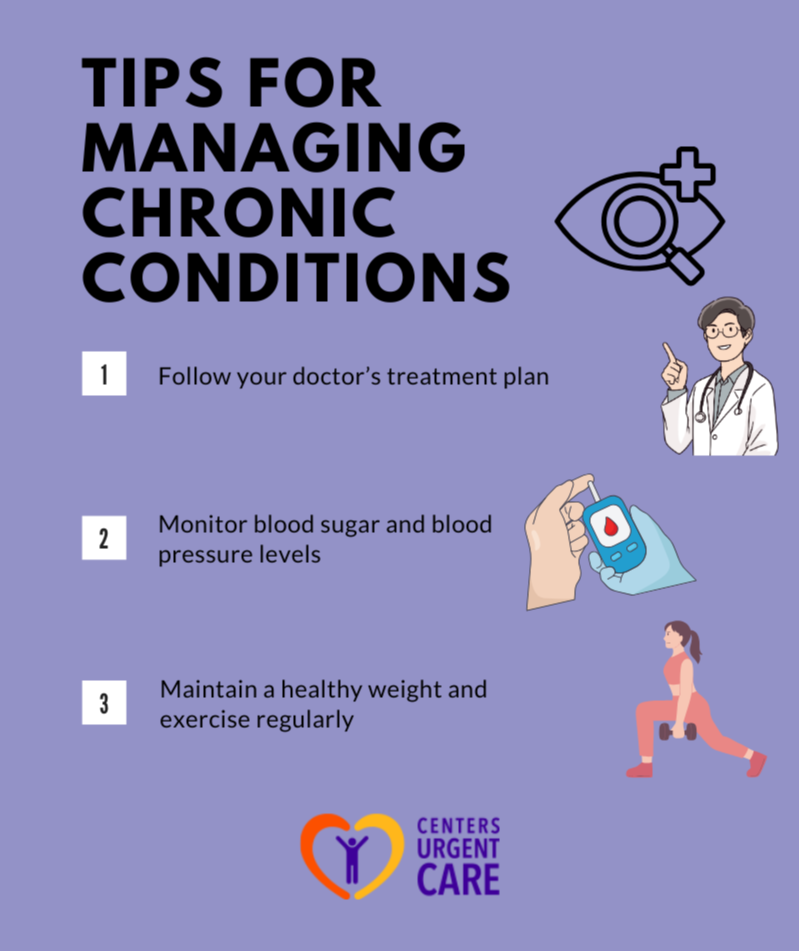
6. Manage Chronic Health Conditions
Certain chronic conditions, such as diabetes and hypertension, can negatively impact your eye health. Diabetes can lead to diabetic retinopathy, while high blood pressure can cause damage to the blood vessels in the eyes. Managing these conditions through proper medication, regular checkups, and a healthy lifestyle can help protect your vision and prevent complications.