




WALK IN.

GET SEEN.

GO HOME.

Find Nearest Location

This field is hidden when viewing the form

Find Nearest Location

WALK INS ARE ALWAYS WELCOME

OR FOR  OUR CONVENIENCE

Who do we care for?

We care for YOU!

No matter your age, Centers covers your need, whether pediatric, geriatric, or anywhere in between.

Centers Urgent Care accepts all major insurances.

WALK IN.

GET SEEN.

GO HOME.

📍 Find Nearest Location

Find Nearest Location

This field is hidden when viewing the form

Find Nearest Location

WALK INS ARE ALWAYS WELCOME

OR FOR  OUR CONVENIENCE

HOW WE TREAT

When you need
it Quick.

When you need
it Professional.

When you need
it Local.

FLU TESTING

FLU VACCINES

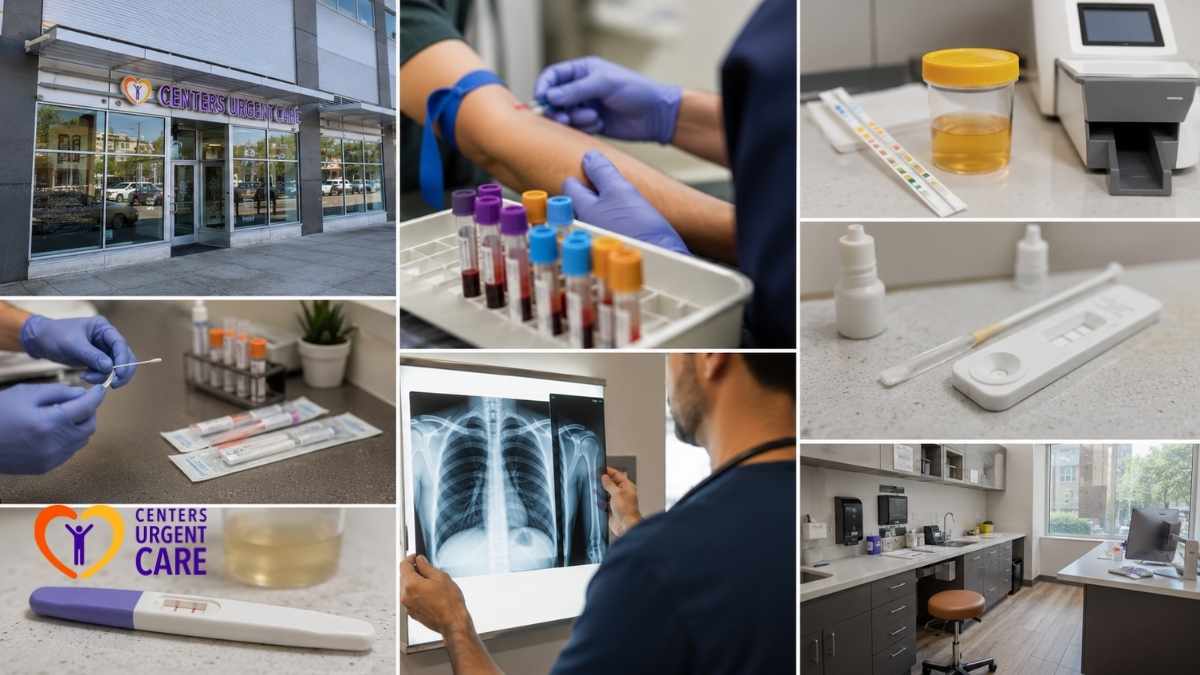
SERVICES

Flu Shots & Vaccinations

Trauma Care

X -Ray

STD Testing

Lab Work

Pediatric

IV Infusions

Women’s Health

Occupational / Employer Services

Physicals

BLOG ARTICLES

Wellness Tips from Josef Schenker, MD | Managing Unbearable Menstrual Pain

Managing Unbearable Menstrual Pain

Welcome to our Wellness Tips blog series! Led by Dr. Josef Schenker, Medical Director at Centers Urgent Care, this series delivers approachable advice to help you tackle health challenges and build better habits. From simple daily habits to proactive wellness strategies, these tips make caring for yourself easier and more effective.

Managing Unbearable Menstrual Pain

Menstrual pain, also known as dysmenorrhea, refers to the discomfort and cramps women experience before and during their period. It affects many women worldwide, often making everyday tasks seem impossible. In a 2023 survey, 84 percent of female respondents in the United States reported experiencing moderate to severe pain from their menstrual cramps. 

Despite its prevalence, conversations about managing menstrual pain are surprisingly limited. But worry not—in this article, Dr. Josef Schenker will provide you with effective strategies to alleviate pain along with an overview on menstrual pain and its causes.

menstrual cramp

Josef Schenker, MD Explains What Causes Menstrual Cramps

Menstrual cramps can be really tough to deal with, but knowing what’s causing them can make managing the pain a bit easier. Here are the common reasons why you might experience menstrual cramps:

  • Prostaglandins: These hormone-like substances are responsible for causing the uterus to contract during your period. When your body produces higher levels of prostaglandins, it can lead to stronger, more painful contractions and, consequently, more intense menstrual cramps.
  • Endometriosis: This condition happens when the tissue that’s similar to the lining inside the uterus starts to grow outside of it, like on the ovaries or fallopian tubes. This misplaced tissue can cause severe pain and discomfort, especially during your period.
  • Adenomyosis: In this condition, the tissue that normally lines the uterus starts to grow into the muscular wall of the uterus itself. This can lead to very painful periods and other symptoms like heavy bleeding, as the uterus struggles with extra tissue in its wall.
  • Pelvic Inflammatory Disease (PID): PID is an infection that affects the female reproductive organs, including the uterus, fallopian tubes, and ovaries. This infection can cause intense pain during your period, as well as other symptoms like fever and unusual discharge.
  • Fibroids: These are noncancerous growths that develop in the uterus. They can vary in size and number, and they might cause discomfort and pain during your period as they press against the uterine wall or other pelvic structures.

According to  Josef Schenker, the aforementioned causes can be attributed to either of the two main types of dysmenorrhea.  For instance, Primary Dysmenorrhea which is related to the natural menstrual cycle is often caused by the release of prostaglandins.  Secondary Dysmenorrhea, on the other hand, is often caused by underlying health issues such as endometriosis or fibroids.

If you’re experiencing severe or persistent pain, it’s always a good idea to consult with a healthcare professional for proper diagnosis and treatment.

Why Do Period Cramps Hurt More for Some People?

Period cramps can feel different for everyone. The intensity of period cramps varies significantly among women due to several factors:

  • Genetics: If your mom or sisters have always had really painful cramps, there’s a good chance you might experience similar issues. Genetics can play a big role in how your body handles menstrual pain, so family history can give you a bit of insight into what to expect.
  • Age: Younger women, especially teenagers, often find their cramps to be more intense. This is partly because their menstrual cycles are still adjusting and may involve higher levels of prostaglandins, which can make cramps more painful.
  • Lifestyle: Bad habits can make menstrual pain worse. Smoking can affect blood flow, stress can increase your body’s pain sensitivity, and not exercising can contribute to more severe cramps.
  • Underlying Health Conditions: If you have conditions like endometriosis or fibroids, you might experience more intense menstrual cramps. These conditions involve abnormal tissue growth that can make your periods more painful.
menstrual pain 1

Josef Schenker, MD, Explains When to See a Doctor for Period Pain

If your menstrual cramps are so severe that they interfere with your daily life, don’t get better with home treatments, or develop into new or unusual symptoms, it’s time to see a healthcare provider. Conditions like endometriosis, fibroids, and pelvic inflammatory disease can cause significant pain and need medical treatment to manage properly. Josef Schenker emphasizes that your healthcare provider can help diagnose any underlying issues and recommend the best treatment plan for you.

Josef Schenker, MD, Answers Frequently Asked Questions:

Period cramps often hurt more on the first day because your body is releasing high levels of prostaglandins to trigger uterine contractions, which can be more intense initially. This helps shed the uterine lining, leading to stronger, sharper pain.

Yes, period cramps can feel like contractions. They’re caused by your uterus contracting to help shed its lining. These contractions can be similar to labor pains but usually less intense, though they can still cause significant discomfort and pain.

No, it’s not bad to not have cramps during your period. Some people naturally experience little to no cramping, which is perfectly normal. It can be a sign of a healthy menstrual cycle or effective management of symptoms.

Yes, you can go to urgent care for menstrual cramps, particularly if the pain is severe or unusual. They can provide immediate relief and evaluate if there’s an underlying issue that needs further attention, especially if home remedies aren’t working.

Discover Lasting Relief from Menstrual Pain

Don’t let menstrual pain get too much in the way of your life. By understanding the causes, exploring home remedies, and knowing when to seek medical advice, you can manage your discomfort effectively.

Centers Urgent Care has facilities across New York where you can seek medical help. Led by Josef Schenker, MD, our medical team provides compassionate care for women’s health, including managing those pesky menstrual cramps. We will make sure to get into any underlying causes that might be worsening period pain. Let’s work together to find a solution that works for you. Visit us today to find comfort and relief!


Josef Schenker

About Josef Schenker, MD:

Dr. Josef Schenker , a board-certified expert in internal medicine and emergency medical services, brings extensive experience and compassion to his role as Medical Director and Partner at Centers Urgent Care. With leadership in SeniorCare Emergency Medical Services and as an Attending Physician at New York-Presbyterian Brooklyn Methodist Hospital, Dr. Schenker oversees critical care and treatment protocols across varied medical needs. His dedication extends to chairing NYC REMAC, ensuring adherence to state standards in emergency medical procedures. At Centers Urgent Care, Dr. Schenker's expertise ensures prompt, high-quality emergency care for patients of all ages, supported by state-of-the-art facilities including a dedicated pediatric suite.

Leave a Comment

Your email address will not be published. Required fields are marked *

Scroll to Top