
Wellness Tips from Josef Schenker, MD
Welcome to our Wellness Tips blog series! In this blog series, Dr. Josef Schenker, our Medical Director at Centers Urgent Care, combines his expertise in internal medicine and emergency care to share guidance that’s practical and easy to follow. Whether it’s tackling everyday health concerns or building long-term habits, these tips are designed to make your wellness journey more approachable.
Severe Constipation Treatment
Constipation is a frustrating and uncomfortable condition that most of us will face at some point in our lives. About 16 out of 100 adults experience chronic constipation. For adults over 60, that number jumps to 33 out of 100. Despite its prevalence, many hesitate to bring up the issue with their doctor, brushing it off as a minor inconvenience. However, if left untreated, constipation can become more than just a passing discomfort—it can lead to severe complications that are harder to treat.
For some, constipation may be a daily battle while others experience more severe cases, causing extreme discomfort and health issues. In this article, Dr. Josef Schenker will help you understand the nature of constipation, from its basic definition to practical treatments and prevention tips. Let’s dive in and clear up some of the confusion surrounding constipation.
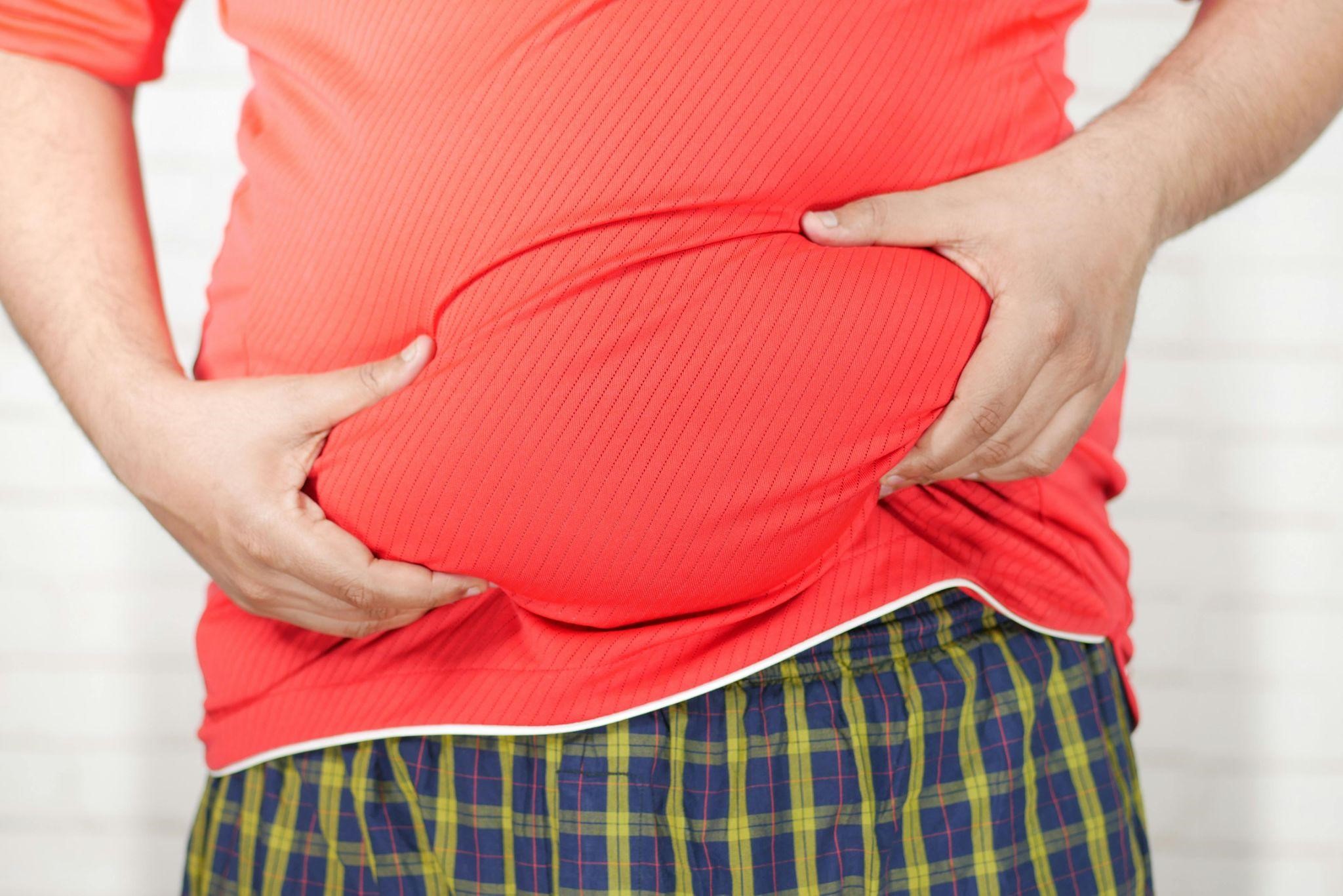
Dr. Josef Schenker Explains What is Constipation
Constipation occurs when bowel movements become infrequent or difficult to pass. It affects children and adults alike. It’s not always easy to pinpoint the exact cause, but constipation often arises due to a lack of fiber, inadequate water intake, or a sedentary lifestyle.
For most, constipation is an uncomfortable nuisance, but when it becomes severe constipation, the effects can be far more damaging. Severe constipation can lead to complications like fecal impaction (hardened stool gets stuck in the intestines) or hemorrhoids (caused by excessive straining). Over time, untreated severe constipation can even cause anal fissures or rectal prolapse.
The most common symptoms of constipation include:
- Infrequent bowel movements (less than three per week)
- Hard or lumpy stools
- Straining during bowel movements
- The feeling of incomplete evacuation
When constipation becomes severe, these symptoms are more pronounced and often include:
- Severe abdominal pain or discomfort
- Bloated abdomen
- Nausea and vomiting
- Inability to pass stool or gas
Stages of Constipation
Josef Schenker, MD explains that constipation can be classified into different stages, depending on how severe it is. Here’s a simple breakdown:
- Stage 1: Occasional Constipation
This is the mildest form, with infrequent episodes that usually clear up with small adjustments to your diet or activity. - Stage 2: Chronic Constipation
This involves ongoing difficulty passing stool or fewer bowel movements for months or longer. It’s more persistent and can affect daily life. - Stage 3: Severe Constipation
This stage brings added discomfort—bloating, severe abdominal pain, and hardened stool that’s tough or impossible to pass. - Stage 4: Fecal Impaction
At this point, stool becomes lodged in the rectum, causing significant pain. Medical intervention is often needed to resolve it.
What are the Causes of Constipation?
While occasional constipation is usually tied to minor lifestyle factors, chronic or severe constipation may have multiple underlying causes.
Food and Lifestyle Choices:
- Low fiber intake: Fiber helps regulate bowel movements, and not getting enough can slow down digestion.
- Inadequate hydration: Without enough water, stools become hard and difficult to pass.
- Sedentary lifestyle: Physical activity encourages bowel motility, so lack of exercise can contribute to constipation.
- Frequent delay in bowel movements: Ignoring the urge to go can cause stool to harden in the intestines.
Medical Conditions:
- Irritable Bowel Syndrome (IBS): Often accompanied by constipation or diarrhea.
- Hypothyroidism: An underactive thyroid can slow down bodily functions, including digestion.
- Diabetes: Nerve damage caused by diabetes can affect the digestive tract.
- Neurological disorders: Conditions like Parkinson’s disease or multiple sclerosis may impair bowel function.
Other possible causes of constipation include certain medications, like pain relievers or antacids containing calcium or aluminum, and changes in routine or stress.

Josef Schenker, MD, Explains How to Treat Severe Constipation
Severe constipation often requires a more aggressive treatment approach, and in some cases, it can only be resolved with medical intervention. That said, Josef Schenker explains that there are several treatments available depending on the severity of the condition.
Professional Treatments and Medications:
- Laxatives: Over-the-counter medications like fiber supplements, stool softeners, or stimulant laxatives can help stimulate bowel movements. However, they should be used cautiously under a doctor’s supervision for severe cases.
- Prescription medications: For chronic or severe constipation, doctors may prescribe medications like lubiprostone or linaclotide, which work by increasing fluid secretion in the intestines and helping stools pass more easily.
- Manual removal of stool: In cases of fecal impaction, a healthcare provider may need to manually remove the hardened stool.
Home Remedies for Temporary Relief:
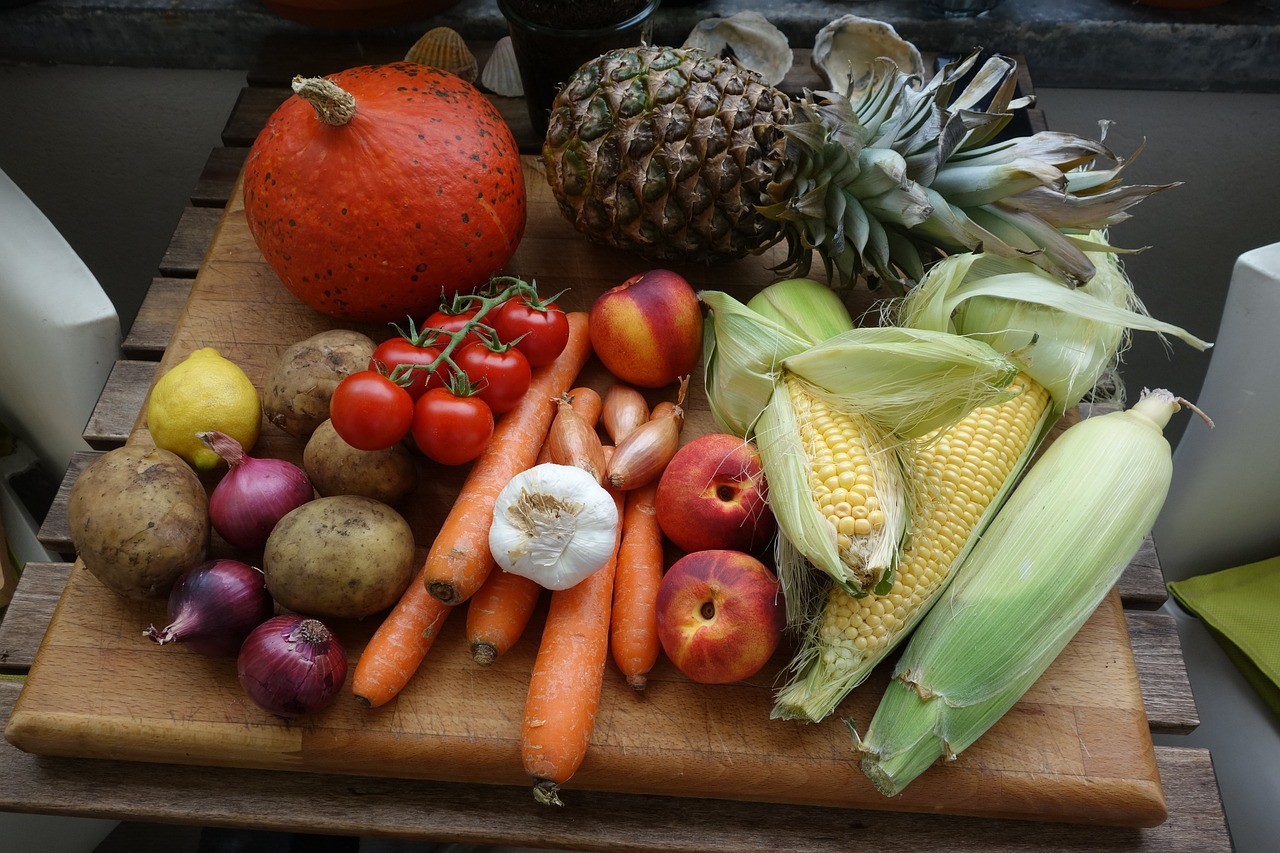
- Increase fiber intake: Adding fiber-rich foods like fruits, vegetables, and whole grains can help regulate bowel movements.
- Drink plenty of water: Staying hydrated softens stools and helps them move through the intestines more easily.
- Regular physical activity: Exercise encourages intestinal activity and can help relieve constipation.
- Probiotics: Some research suggests that probiotics may help balance gut bacteria and promote healthy digestion.
While home remedies can be effective for less severe constipation, Josef Schenker, MD reiterates that if symptoms persist or worsen, it’s crucial to consult a doctor for further evaluation and treatment.
How to Prevent Severe Constipation?
Preventing constipation is often a matter of making simple lifestyle adjustments. Here are some preventive measures to keep things moving smoothly:
- Eat a high-fiber diet: Incorporate more fruits, vegetables, legumes, and whole grains into your meals. Fiber adds bulk to stool, making it easier to pass.
- Stay hydrated: Drink plenty of water throughout the day to avoid hard, dry stools.
- Exercise regularly: Physical activity stimulates bowel motility and helps prevent constipation.
- Don’t ignore the urge: Go to the bathroom as soon as you feel the need—holding it in can cause stool to harden.
- Establish a routine: Set aside time each day to use the bathroom, preferably after meals, to encourage regular bowel movements.
If you find that even with these measures you’re still dealing with constipation, don’t hesitate to speak with a healthcare professional. Persistent constipation may be a sign of a more serious condition, and it’s always better to address it sooner rather than later.
Josef Schenker, MD, Answers Frequently Asked Questions:
Severe constipation can take a few days to a week to clear, depending on the treatment. Medical interventions, like laxatives or enemas, may speed up relief. If symptoms persist beyond a week, consult a doctor for further evaluation.
Drinking plenty of water, taking fiber supplements, using over-the-counter laxatives, and increasing fiber-rich foods like fruits and vegetables can help loosen a bowel blockage at home. If symptoms persist or worsen, it’s best to consult a doctor.
No, forcing hard stool can lead to injury, such as hemorrhoids or rectal tears. Instead, you can use stool softeners, drink fluids, and increase fiber intake to ease the passage of stool. Go to urgent care or seek medical advice if needed.
Foods rich in fiber, such as fruits (especially prunes and apples), vegetables, whole grains, and legumes, help soften stool. Drinking warm liquids, especially first thing in the morning, and consuming healthy fats, like olive oil, also aid in easing bowel movements.
Constipation is serious if it lasts more than a week, accompanied by severe pain, blood in stool, vomiting, bloating or unexplained weight loss. Fecal impaction or inability to pass gas may also indicate the need for immediate medical attention.

Get Lasting Relief from Constipation
Constipation is a common yet often overlooked condition that can lead to significant discomfort and more serious health problems if left untreated. While home remedies can often provide relief, persistent or severe symptoms may require medical attention. If you’re struggling with constipation, it’s important to seek professional guidance to identify underlying causes and develop an effective treatment plan.
Here at Centers Urgent Care, we offer comprehensive care for digestive health, including the management of constipation. Led by Dr. Josef Schenker, our experienced medical team can help provide the lasting relief you need. Don’t just tolerate the discomfort caused by constipation. Visit any of the Centers Urgent Care facilities across New York today!

About Josef Schenker, MD:
Dr. Josef Schenker, a board-certified expert in internal medicine and emergency medical services, brings extensive experience and compassion to his role as Medical Director and Partner at Centers Urgent Care. With leadership in SeniorCare Emergency Medical Services and as an Attending Physician at New York-Presbyterian Brooklyn Methodist Hospital, Dr. Schenker oversees critical care and treatment protocols across varied medical needs. His dedication extends to chairing NYC REMAC, ensuring adherence to state standards in emergency medical procedures. At Centers Urgent Care, Dr. Schenker's expertise ensures prompt, high-quality emergency care for patients of all ages, supported by state-of-the-art facilities including a dedicated pediatric suite.