
Wellness Tips from Josef Schenker, MD
Welcome to the Wellness Tips blog series, where Dr. Josef Schenker, Medical Director at Centers Urgent Care, offers expert insights on everyday health concerns. With extensive experience in internal medicine and emergency care, he provides practical advice to help you stay healthy and informed.
In this series, we’ll explore key health topics, breaking them down into easy-to-understand, actionable tips to empower you with the knowledge needed to make informed health decisions.
Chlamydia Prevention
Chlamydia is one of the most common sexually transmitted infections (STIs) in the United States. According to the CDC, more than 1.6 million cases were reported in 2021, and many more go undiagnosed since chlamydia often doesn’t cause noticeable symptoms.
The good news? Chlamydia is both preventable and treatable. Dr. Schenker is here to walk us through everything we need to know—from what chlamydia is and how it spreads to prevention strategies and treatment options. Let’s get started.
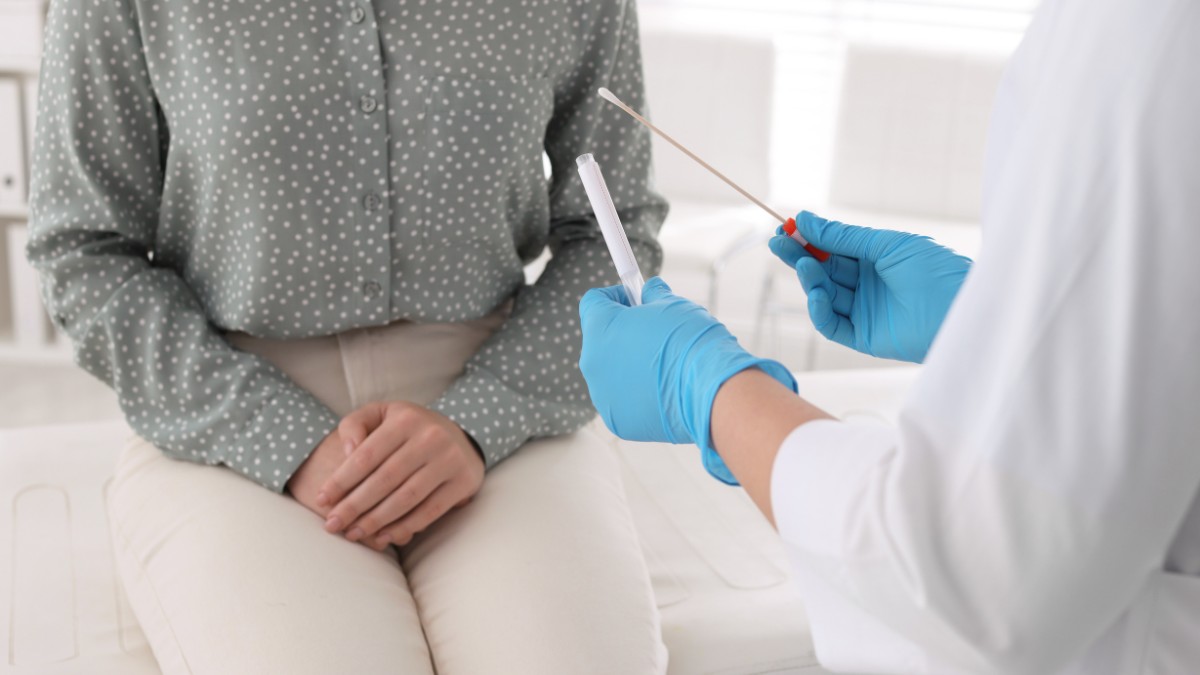
Dr. Josef Schenker Explains What is Chlamydia
Chlamydia is a bacterial infection caused by Chlamydia trachomatis. It primarily affects the genital tract, but it can also infect the rectum, throat, and eyes in some cases.
How is Chlamydia Contracted?
According to Josef Schenker, MD, chlamydia is spread through contact with infected bodily fluids, primarily during sexual activity. Here are the most common ways it is transmitted:
- Unprotected vaginal, anal, or oral sex – Engaging in any form of unprotected sex with an infected partner allows the bacteria to spread easily from one person to another.
- From mother to baby during childbirth – A pregnant woman with chlamydia can pass the infection to her newborn during delivery, which may lead to serious complications like eye infections or pneumonia in the infant.
- Sharing unwashed sex toys – If sex toys that have been used by an infected person are not properly cleaned, they can carry the bacteria and transmit it to another person.
- Touching infected areas and then your eyes – Although rare, if you come into contact with infected fluids and then touch your eyes, you could develop an eye infection known as conjunctivitis (pink eye).
What are the Symptoms of Chlamydia?
Chlamydia is often called a “silent” infection because most people do not experience symptoms. Dr. Josef Schenker elaborates that when symptoms do appear, they typically surface one to three weeks after exposure. Here are some common signs to look out for:
- Painful urination – A burning sensation while urinating is a common early symptom, as the infection can irritate the urinary tract.
- Unusual genital discharge – A cloudy, yellow, or greenish discharge from the penis or vagina may indicate an infection.
- Pain during sex – Discomfort or pain during intercourse can be a sign of chlamydia, especially for women.
- Lower abdominal pain – Some individuals experience cramping or a dull ache in the lower abdomen, which can be mistaken for menstrual pain.
- Rectal pain or discharge – If chlamydia infects the rectum, it may cause discomfort, bleeding, or discharge.Eye infection (conjunctivitis) – If the bacteria come into contact with the eyes, they may cause redness, irritation, and discharge.
What are the Possible Complications?
Dr. Josef Schenker explains that if chlamydia goes untreated, it can result in significant health complications that may impact both short-term and long-term well-being. These complications can range from mild discomfort to severe reproductive health issues, making early detection and treatment crucial.
- Pelvic inflammatory disease (PID) – In women, untreated chlamydia can spread to the uterus and fallopian tubes, leading to chronic pain and fertility issues.
- Ectopic pregnancy – Damage from chlamydia-related inflammation can increase the risk of pregnancy occurring outside the uterus, which is a life-threatening condition.
- Infertility – Both men and women can suffer from fertility problems if chlamydia goes untreated.
- Infections in newborns – Babies born to infected mothers may develop pneumonia or severe eye infections.

Josef Schenker, MD, Explains How to Prevent Chlamydia
Preventing sexually transmitted infections is far easier than treating them. Josef Schenker, MD emphasizes that taking the right precautions can significantly reduce your risk and keep you healthy. Here’s how you can protect yourself:
- Use condoms correctly – Always use latex or polyurethane condoms during vaginal, anal, or oral sex to create a barrier that reduces the risk of transmission. Consistent and correct use is key to effectiveness.
- Limit sexual partners – The fewer partners you have, the lower your risk of exposure to chlamydia and other STIs. Having a mutually monogamous relationship with an uninfected partner is one of the best ways to stay safe.
- Get regular screenings – Routine STI testing is essential, particularly for sexually active individuals under 25 or those with multiple partners. Regular screenings help detect infections early and prevent complications.
- Communicate with partners – Open and honest conversations about STI status and safe sex practices can help you and your partner make informed decisions. Discussing recent test results and prevention strategies builds trust and promotes safety.
- Avoid douching – Douching can disrupt the natural balance of bacteria in the vagina, making it easier for infections like chlamydia to develop. It’s best to avoid this practice altogether.
- Practice good hygiene – Washing your hands before and after sexual activity, cleaning sex toys thoroughly, and maintaining general personal hygiene can help reduce the risk of infections.
- Consider vaccination – While there’s no vaccine for chlamydia, staying up to date on vaccines for other STIs, like HPV and hepatitis B, adds an extra layer of protection to your overall sexual health.
- Stay informed – Educating yourself about STIs, transmission methods, and prevention techniques is crucial for maintaining sexual health and preventing infections.
How to Treat Chlamydia?
Chlamydia is treated with antibiotics, typically:
- Azithromycin – A single-dose antibiotic that effectively clears the infection.
- Doxycycline – A week-long antibiotic course that must be completed as prescribed.
- Erythromycin or Levofloxacin – Alternative antibiotics may be prescribed in certain cases, depending on individual needs.
- Abstaining from sex – It’s important to avoid sexual activity until both you and your partner(s) complete treatment.
- Partner treatment – Sexual partners should also be tested and treated to prevent reinfection.
- Follow-up testing – A re-test after a few weeks may be recommended to ensure the infection is completely cleared.
Josef Schenker, MD reiterates that with proper treatment, chlamydia is completely curable. However, reinfection is possible, so practicing safe sex and regular screenings are essential.
Josef Schenker, MD, Answers Frequently Asked Questions:
Yes. While chlamydia is mainly spread through sexual contact, it can also pass from mother to baby during childbirth. In rare cases, accidental exposure—such as touching infected fluids and transferring them to the eyes—can lead to infection, though this is uncommon.
No, chlamydia requires prescription antibiotics to fully clear the infection. While some home remedies may help alleviate discomfort, they do not eliminate the bacteria. Delaying proper treatment can lead to complications, so it’s essential to seek medical care as soon as possible.
Yes, chlamydia is completely curable with the right antibiotics, such as azithromycin or doxycycline. However, reinfection is possible if exposed again, so regular testing, consistent condom use, and ensuring your partner is also treated are essential for prevention and long-term protection.
Yes, if left untreated, chlamydia can lead to infertility, particularly in women, by causing pelvic inflammatory disease (PID), which damages the fallopian tubes. This scarring can block egg movement, making conception difficult. Early detection and antibiotic treatment can help prevent these complications.

Protect Yourself: Stay Informed
When it comes to chlamydia and other STIs, knowledge is power. Taking simple preventive steps can protect your health and well-being. If you suspect you have chlamydia or need routine STI screening, don’t wait—seek medical care today.
If you have concerns about chlamydia or are experiencing symptoms, it’s crucial to seek prompt medical attention. Centers Urgent Care offers confidential STI testing and treatment in its locations across New York. Our experienced healthcare professionals, led by Dr. Josef Schenker, can provide accurate diagnoses, prescribe appropriate treatment, and offer guidance on prevention strategies. Don’t risk your health. Visit Centers Urgent Care today for discreet and comprehensive care.

About Josef Schenker, MD:
Dr. Josef Schenker, a board-certified expert in internal medicine and emergency medical services, brings extensive experience and compassion to his role as Medical Director and Partner at Centers Urgent Care. With leadership in SeniorCare Emergency Medical Services and as an Attending Physician at New York-Presbyterian Brooklyn Methodist Hospital, Dr. Schenker oversees critical care and treatment protocols across varied medical needs. His dedication extends to chairing NYC REMAC, ensuring adherence to state standards in emergency medical procedures. At Centers Urgent Care, Dr. Schenker's expertise ensures prompt, high-quality emergency care for patients of all ages, supported by state-of-the-art facilities including a dedicated pediatric suite.
FAST EFFECTIVE WAY TO GET CURED FROM HERPES VIRUS
Hello! I’m very excited to share what worked for me to everyone. I’m completely cured from my HSV1&2 with the use of natural medicine. I have used Oregano oil, Coconut oil, Acyclovir, Valacyclovir, Famciclovir and some other products/supplements and it hasn’t helped ever since I was diagnosed. I got outbreaks frequently and was completely devastated and I went online for a possible cure and how to get rid of Herpes. On a fateful day after taking my bath, I took my phone and was going through some research, I bumped into a testimonial of a Herbs doctor { Dr Awase } who cures diverse diseases/viruses with Herbal medication. I was hopeful but also doubted the claim. But after a while I thought “what do I have to lose?” so I decided to reach out. He prepared a cure using roots and herbs which I steadily took for 14days as prescribed by him. I am quite glad I decided to reach out because I am totally cured from Herpes after a medical checkup was done by my Dr. So I’ve decided to make a quick testimony for anyone out there who is probably suffering from an illness they can’t handle to reach out to Dr Awase. He specializes in curing lots of illnesses such as HIV, ENDOMETRIOSIS, PCOS, OVARIAN CYST, INFERTILITY, HEPATITIS A,B,C and lots more. I’m here to let you all know that you can also be cured just like me and you don’t have to live with any sort of illness for the rest of your life. To reach out, Contact him via WhatsApp below or Email
WhatsApp +2349074997110
Email:- dr.awaseherbalhome@gmail. com