


















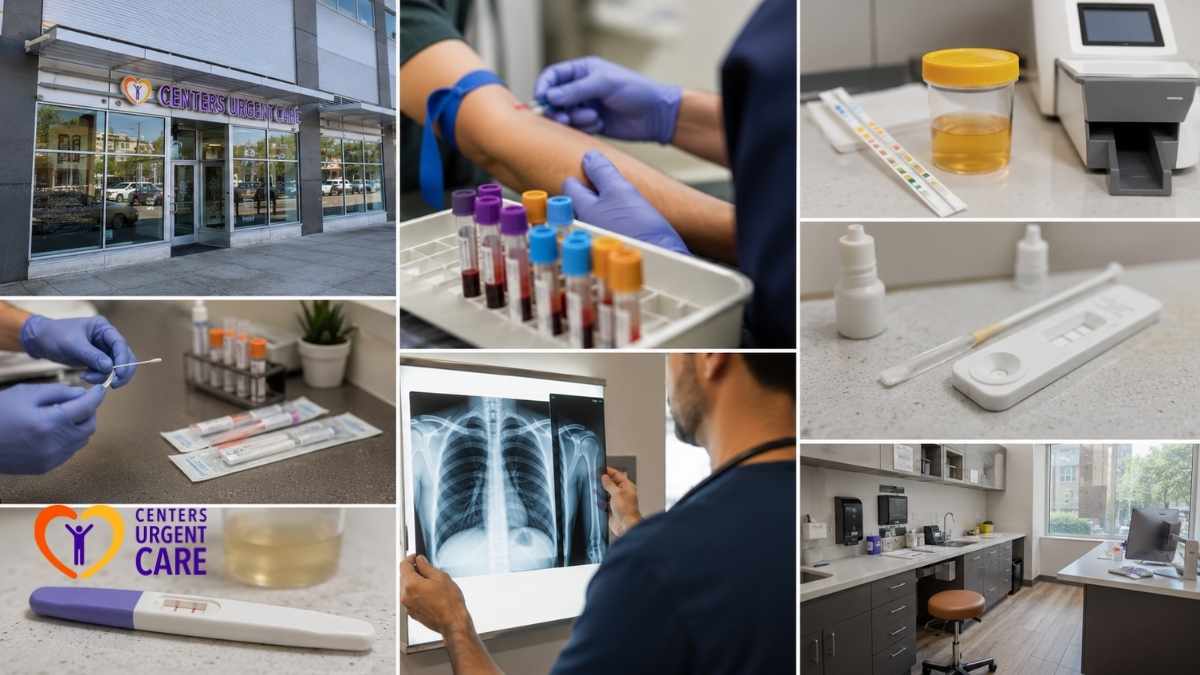





Preparing for a Department of Transportation (DOT) physical exam involves a thorough review of your medical history. This review helps the examining physician understand any pre-existing conditions that could impact your ability to safely operate a commercial vehicle. It’s essential to be honest and detailed, as this can ensure your DOT physical goes smoothly and you are fit for duty.
What a DOT Physical Is and How Medical History Plays a Role
A DOT physical is a required medical examination that determines whether a commercial driver is physically and mentally capable of safely operating a commercial motor vehicle (CMV). Your medical history affects both the questions asked during the evaluation and the final decision on certification.
DOT physicals are not just routine check-ups. Medical examiners review your medical history in detail to identify any condition that might impair your ability to safely drive. This includes everything from chronic illnesses and past surgeries to current medications and mental health diagnoses. If the examiner finds any risk factors, they might request additional tests, documentation, or even deny certification until further evaluation is done.
For more guidance on finding the right medical examiner for your needs, check out our article, “How to Find Reliable DOT Physical Doctors Near You Today.” It offers practical tips for locating qualified professionals who can help you navigate the DOT physical process with confidence.
The Importance of Medical History in a DOT Exam
A medical history review helps examiners determine whether any existing or past health issues could affect your ability to operate a CMV. Since the safety of both the driver and the public is at stake, even seemingly minor conditions are taken seriously.
Here’s how your medical history impacts the process:
Before diving into the exam itself, drivers are required to complete a comprehensive health questionnaire. This form is reviewed by a certified medical examiner, who uses it as a guide during the physical exam.
Key aspects that get special attention include:
- Chronic illnesses: Conditions like diabetes, high blood pressure, and sleep apnea are red flags unless well managed.
- Cardiovascular health: Any history of heart disease or stroke needs proper documentation.
- Neurological disorders: Seizures, head injuries, or brain surgeries often require clearance from a neurologist.
- Psychiatric conditions: Anxiety, depression, and PTSD must be stable and managed.
- Substance use: A history of drug or alcohol abuse may require a substance abuse professional (SAP) evaluation.
All of these factors influence whether the examiner certifies you for the full 2-year period or provides a shorter certificate (like 3 months to 1 year), often contingent on follow-up evaluations.
What to Expect During a DOT Physical Examination
The DOT physical is designed to assess several areas of physical and mental fitness. Your medical history plays a role in how each component is approached.
After reviewing your health history, the medical examiner conducts the following:
1. Vision Test
Drivers must have at least 20/40 vision in each eye, with or without correction. They must also be able to distinguish traffic signal colors.
If you’ve had LASIK surgery or wear corrective lenses, that should be noted in your medical history.
2. Hearing Test
You should be able to detect a soft whisper from a distance of five feet in at least one ear. A hearing aid is allowed, but it should be documented.
3. Blood Pressure & Pulse
Blood pressure is a major concern in DOT physicals.
- Readings up to 140/90 typically pass with a 2-year card.
- Higher readings may result in a shorter certification or disqualification.
If you’re on blood pressure medication, bring a list of your prescriptions.
4. Urinalysis
This isn’t a drug test (though drug screening may be required for employment separately). This checks for signs of diabetes, kidney problems, or infections.
5. Physical Examination
The examiner will assess the following:
- Lungs, chest, and heart
- Abdomen and hernias
- Spine and musculoskeletal strength
- Reflexes and coordination
- Neurological function
If your history includes musculoskeletal injuries, surgeries, or conditions like arthritis, bring relevant documentation (e.g., physical therapy notes, imaging reports).

Which Health Conditions Necessitate Documentation or Clearance?
Some conditions don’t automatically disqualify you, but they do require additional documentation or specialist clearance.
Here are common examples:
1. Diabetes
- Type 2 diabetes on oral medication is generally allowed with proof of control.
- Insulin-dependent diabetes requires participation in the FMCSA’s diabetes exemption program.
2. Sleep Apnea
- If you use a CPAP machine, bring usage data for at least 30 days.
- Uncontrolled sleep apnea can delay or disqualify certification.
3. Heart Disease
- You’ll need a clearance letter from a cardiologist.
- Recent surgeries like stents or bypass require recovery documentation.
4. Mental Health Conditions
- Stability is key. Bring a letter from your psychiatrist stating you are safe to operate a CMV.
- List all medications clearly.
Medications That Can Impact a DOT Medical Card
Certain medications—especially those that affect the central nervous system—can disqualify you or require close examination. Always be honest and list all medications, including over-the-counter drugs and supplements.
Medications that require attention:
- Narcotics or opioids (e.g., hydrocodone, oxycodone)
- Benzodiazepines (e.g., Xanax, Ativan)
- ADHD medications (e.g., Adderall, Ritalin)
- Anti-seizure meds
If you’re taking any of these, your prescribing physician must provide documentation that:
- The medication is necessary
- You are stable on the dose
- The medication won’t impair your driving
What Individuals Should Bring to Their DOT Physical
To avoid delays and reduce stress during your appointment, it’s important to come prepared. Make sure to bring a valid photo ID and a complete list of your current medications, including their dosages. If you use glasses or hearing aids, don’t forget to bring those as well. These items help ensure a smoother check-in and a more accurate evaluation.
Additionally, if you have chronic conditions, bring any relevant specialist letters or medical records. For those with sleep apnea, CPAP compliance data is essential. If you’ve been instructed to get clearance letters from specialists like a cardiologist or neurologist, be sure to include those too. Recent lab results, such as A1C, ECG, or stress tests, can also provide valuable information for your visit.
What to Do If You Fail the DOT Physical Exam
Failing a DOT physical doesn’t always mean the end of your driving career. In many cases, you can reapply after addressing the issue.

The role of medical history in DOT physicals makes it essential to stay proactive and transparent about your health.
The Importance of Medical History
- A DOT physical is more than a routine check-up—it’s a thorough evaluation to determine if you’re fit to drive.
- Your medical history influences everything from how long your certification lasts to whether you pass at all.
- Being honest and prepared saves time and reduces the risk of being disqualified.
- When in doubt, bring documentation. Examiners would rather review too much than not enough.
Get a DOT Physical at a Trusted Urgent Care in NY
At Centers Urgent Care, we understand how critical it is to keep your commercial license active. Whether it’s your first time or you’re up for renewal, we’ll guide you through every step—including a complete medical history review. Our urgent care center provides high-quality DOT physical exams, ensuring you meet FMCSA requirements with minimal hassle.
We deliver fast, thorough, and professional care to help drivers stay compliant and confident behind the wheel. For those in need of reliable urgent care in NY, we’re here to support your health every step of the way. Don’t wait—contact us today to schedule your appointment and experience the care you deserve.