

















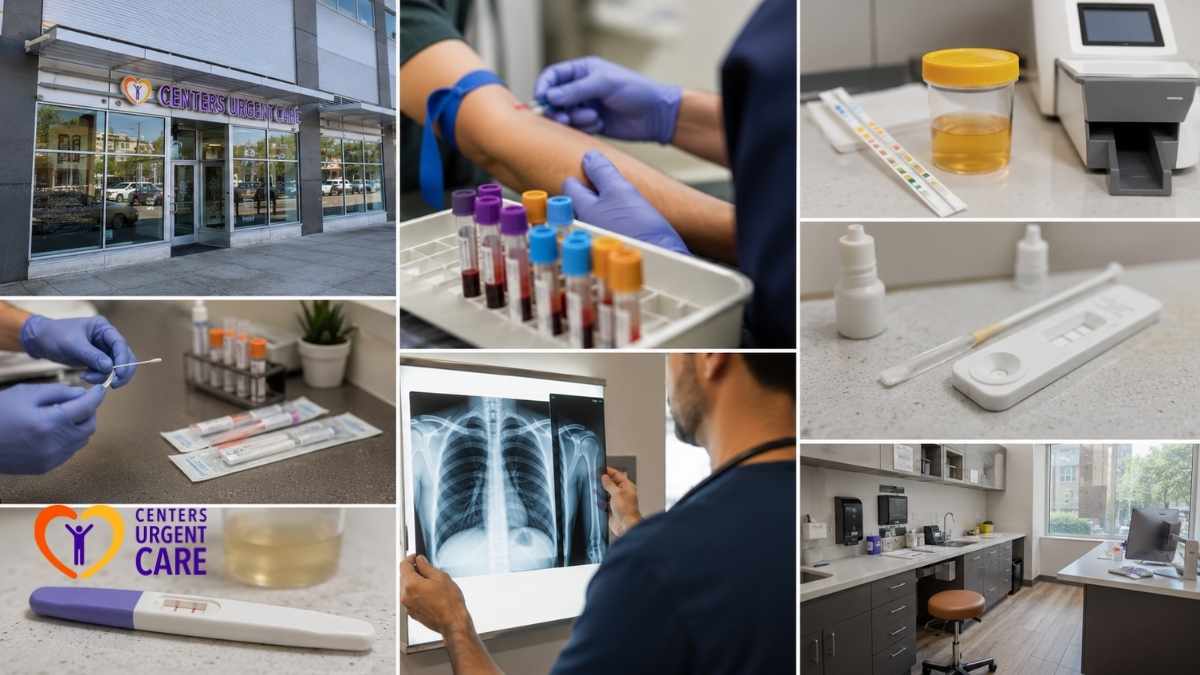



Drug screening and drug testing have become vital components in various sectors, including employment, healthcare, and legal settings. These processes, along with chest X-ray, help identify the presence of illicit substances or prescription drugs in an individual’s system, ensuring safety, compliance, and accountability. In this article, we’ll explore the different types of drug screening and testing, their significance, and the methods used to perform them.
Drug screening generally refers to preliminary testing used to detect drugs, while drug testing involves more specific, often confirmatory, tests. Both methods are crucial in helping employers maintain a safe workplace, medical professionals monitor treatments, and law enforcement enforce regulations. Understanding the differences, procedures, and importance of these practices is essential in various contexts.
Table of Contents
ToggleThe Importance of Drug Screening and Testing
As we explore the critical role of drug screening and testing, it’s important to understand its broader implications for maintaining safety, promoting accountability, and ensuring legal compliance. Here’s a breakdown of why drug testing is essential in various settings:
Maintaining Safety in the Workplace
One of the primary reasons drug screening and testing are conducted is to ensure workplace safety. Employers, especially in industries like transportation, healthcare, and construction, rely on these tests to prevent accidents, injuries, and fatalities that could arise from impaired performance. Drug abuse can affect concentration, reaction time, and decision-making abilities, all of which are critical in a safe working environment.
Employers often include drug testing as part of their pre-employment procedures, routine checks, or after an incident. This practice ensures that the workforce is sober, competent, and capable of performing their duties effectively. Many organizations also implement random drug testing to discourage substance abuse among employees.
Preventing Substance Abuse
Drug screening and testing are also essential tools in curbing substance abuse. By routinely testing for illicit drugs and prescription medication misuse, individuals are held accountable for their actions, encouraging them to stay sober. Regular tests, whether in schools, sports, or workplaces, act as deterrents for drug use, as individuals know they could be caught at any time.
In some contexts, testing is part of a recovery program. For instance, individuals in rehabilitation centers or on probation may undergo drug tests to track their progress and ensure that they are not relapsing into substance abuse.
Legal and Compliance Requirements
In many cases, drug testing is mandated by law or regulatory bodies. For example, the Department of Transportation (DOT) in the U.S. requires certain workers, such as truck drivers and public transit employees, to undergo regular drug testing to comply with safety standards. Similarly, some states and municipalities have laws governing drug testing for employees, particularly in high-risk jobs.
Moreover, healthcare professionals may need to perform drug screenings to comply with medical standards, ensure accurate treatment plans, or adhere to insurance and legal requirements.
5 Different Types of Drug Screening and Drug Testing
To better understand the various options for drug screening and testing, it’s helpful to explore the different methods available. Each method has its own strengths and weaknesses, depending on the situation and the substances being tested for. Below is an overview of the most common types of drug testing methods used today:
Urine Drug Testing
Urine testing is one of the most common methods of drug screening due to its simplicity, cost-effectiveness, and accuracy. When an individual is subjected to a urine drug test, a sample of their urine is collected and analyzed for the presence of various substances. Urine tests can detect a wide range of drugs, including marijuana, cocaine, opiates, and amphetamines, for up to several days or even weeks after use, depending on the drug.
Urine tests are often used for pre-employment screenings, random tests, or post-incident investigations. They are also widely used in healthcare settings for monitoring patients undergoing substance abuse treatment.

Blood Drug Testing
Blood testing, although more invasive and expensive than urine testing, is highly accurate in detecting drugs in a person’s system. This method is often used in legal or medical settings, especially for detecting substances like alcohol or drugs that are metabolized more quickly. Blood tests can show the exact amount of a substance in the bloodstream at the time of testing, making them crucial for situations like DUI (driving under the influence) testing or emergency medical care.
However, blood testing has limitations. Drugs typically remain in the bloodstream for a shorter time compared to urine, meaning that blood tests may not detect drug use that occurred days or weeks earlier.
Saliva Drug Testing
Saliva testing is another non-invasive method that has gained popularity due to its simplicity and ease of collection. A sample is collected from the inside of the mouth, and the substances are tested for the presence of drugs. Saliva tests can detect drugs such as marijuana, cocaine, opiates, and amphetamines, but the detection window is shorter compared to urine tests—usually up to 48 hours.
Saliva tests are commonly used for roadside drug testing by law enforcement officers and in random workplace screenings. They are advantageous because they are less invasive than blood tests and can be administered on-site.
Hair Drug Testing
Hair drug testing is a more comprehensive method that can detect drug use over a longer period, typically up to 90 days. When drugs are ingested, small traces of the substances are deposited into the hair follicles, and these can be detected during testing. Hair drug testing is most commonly used in employment settings, especially for pre-employment or post-accident testing.
While hair testing can provide a long-term history of drug use, it may not detect recent usage, as it takes time for drugs to appear in the hair. Additionally, factors such as hair color, texture, and length can affect the accuracy of the results.
Sweat Patch Testing
Sweat patch testing is a newer method used primarily for monitoring individuals over a period. A patch is worn on the skin for up to a week, collecting sweat that contains traces of drugs. This method is typically used for individuals in recovery programs or those on probation.
Sweat patch testing is beneficial for long-term monitoring because it can continuously detect drug use over time. However, it is less commonly used than urine or hair testing due to its higher cost and limited availability.
Why are Drug Tests Conducted?
Drug tests are conducted for various reasons, including workplace safety, legal compliance, and medical purposes. Many employers require drug testing to ensure a safe and productive work environment, especially in industries like transportation, healthcare, and construction. Legal authorities may also mandate drug tests for individuals on probation or those involved in legal cases. Additionally, healthcare providers use drug testing to monitor medication adherence and detect substance abuse. By identifying drug use, these tests help maintain public safety, support rehabilitation efforts, and promote overall well-being.

How Drug Tests Work: The Process
Now that we’ve covered the general process of drug testing, let’s take a closer look at each key step involved in ensuring accurate results. The process can be broken down into three main stages: the collection of samples, laboratory analysis, and the interpretation of results. Each stage plays an important role in guaranteeing the integrity and reliability of the testing procedure. Below is an overview of how drug tests typically work:
Collection of Samples
The process of drug screening and testing begins with the collection of samples, whether it be urine, blood, saliva, or hair. The collection process is typically done in a controlled environment to ensure that the sample is not tampered with. For example, in urine testing, the individual may be asked to provide a sample in the presence of a witness to prevent adulteration.
In workplace or law enforcement settings, sample collection is often supervised to ensure the integrity of the testing process.
Laboratory Analysis
Once the samples are collected, they are sent to a laboratory for analysis. Laboratories use various techniques to analyze the samples, with one of the most common being immunoassay testing. This method uses antibodies to detect the presence of drugs or their metabolites in the sample. Immunoassay tests are fast, but they are not always 100% accurate.
If the initial screen is positive, a confirmatory test, such as gas chromatography-mass spectrometry (GC-MS), may be conducted to provide a more definitive result. This confirmatory test helps eliminate false positives that may arise during the initial screening.
Interpretation of Results
Once the laboratory analysis is complete, the results are interpreted. In workplace or legal settings, the results are typically reviewed by a Medical Review Officer (MRO), who ensures the accuracy of the test and considers any potential medical explanations for a positive result.
In some cases, the individual being tested may be required to undergo further testing or provide documentation explaining their drug use, such as a prescription for a certain medication.
2 Challenges and Considerations in Drug Testing
Considering the complexities of drug testing, it’s essential to recognize the variety of challenges and factors that can impact the results. These considerations not only affect the reliability of the testing process but also raise concerns related to privacy and legal issues. Below, we explore some of the key challenges that must be addressed to ensure accurate and fair outcomes.
False Positives and False Negatives
One of the most significant challenges in drug testing is the potential for false positives or false negatives. False positives occur when a test incorrectly detects the presence of drugs, while false negatives occur when a test fails to detect drugs that are present.
False positives can be triggered by certain foods, medications, or medical conditions. For example, some over-the-counter medications, such as those containing pseudoephedrine, can trigger false positives for amphetamines. On the other hand, false negatives may occur if the individual uses substances that are not detectable by the chosen test or if the sample is improperly handled.
Privacy and Legal Concerns
Drug testing can raise privacy concerns, particularly in the workplace or educational settings. Individuals may feel that their rights are being violated, especially if they are subjected to random drug testing or if they are required to disclose sensitive medical information. Employers must ensure that their drug testing policies comply with local laws and regulations to protect both the rights of individuals and the safety of the workplace.
In legal contexts, drug testing may also raise questions about consent, accuracy, and the interpretation of results. It’s important for individuals to understand their rights and for legal professionals to ensure that proper procedures are followed to avoid disputes over the results.
Drug screening and drug testing are essential tools in maintaining safety, promoting health, and ensuring legal compliance across various sectors. From workplace drug testing to monitoring individuals in rehabilitation programs, these processes play a crucial role in preventing substance abuse, identifying drug use, and ensuring that individuals can perform their duties safely and effectively.
Understanding the different methods of drug testing, the importance of accurate and ethical procedures, and the potential challenges helps individuals and organizations make informed decisions about how to best use drug screening and testing in their respective fields. At Centers Urgent Care, we provide reliable, confidential, and efficient drug testing services, ensuring accurate results with a quick turnaround time. Our team prioritizes professionalism and precision, making the process smooth and stress-free. If you need 24 hour urgent care in NYC, visit us today for fast, high-quality urgent care services for children and adults. Contact us now to learn more!
Sources:
This article provides a clear and detailed explanation of why drug screening and testing are so important. It’s interesting to see how these processes help maintain safety and compliance in workplaces and beyond. Thanks for sharing this informative piece!