





















For parents of toddlers, recognizing and managing this common but contagious condition quickly and safely is a top concern. The symptoms can be alarming—redness, goopy discharge, frequent eye rubbing—but timely treatment and a few home adjustments can make all the difference, especially when deciding between urgent care and a pediatrician for proper diagnosis and care.
What Causes Pink Eye in Toddlers?
Pink eye occurs when the conjunctiva—the clear membrane covering the white part of the eye—becomes inflamed. Here are the three most common causes in toddlers:
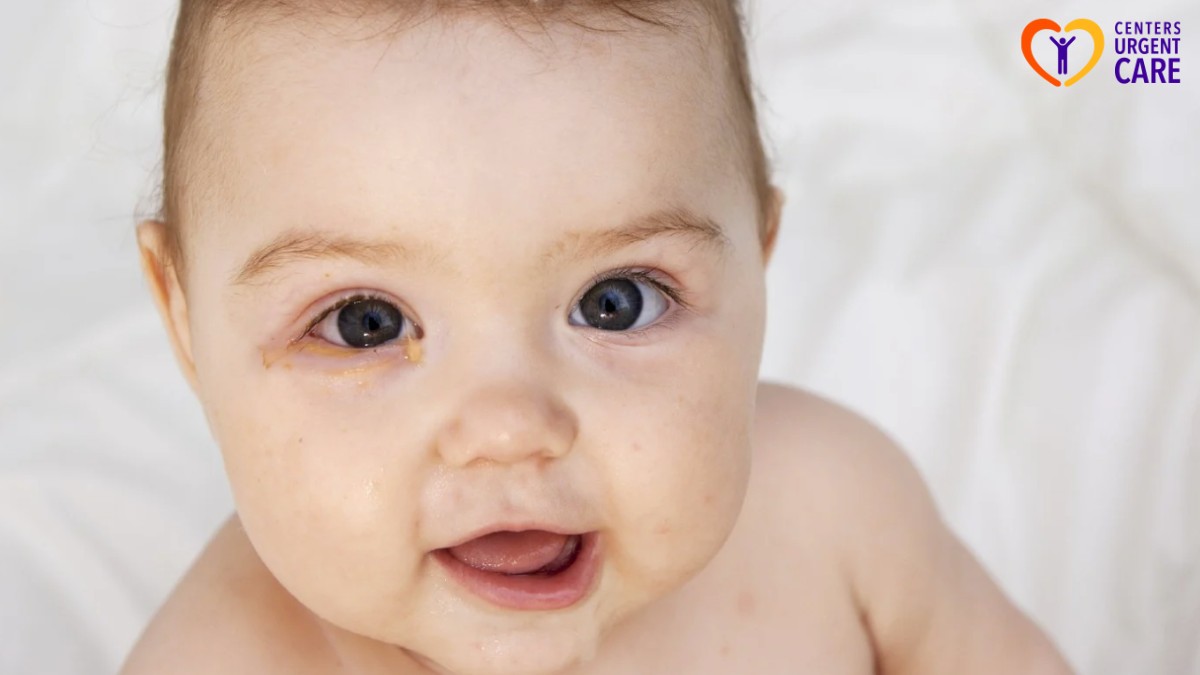
- Bacterial infections: Often spread by dirty hands or shared objects. Results in thick, yellow or green eye discharge.
- Viral infections: Frequently associated with colds. Watery eyes and light sensitivity are common.
- Allergic reactions: Triggered by pollen, pet dander, or dust mites. Itchy, watery eyes without discharge are typical.
In toddlers, bacteria and viruses are more common due to underdeveloped immune systems and frequent close contact with peers.
What are the Symptoms of Pink Eye in Toddlers?
Though causes differ, symptoms often overlap:
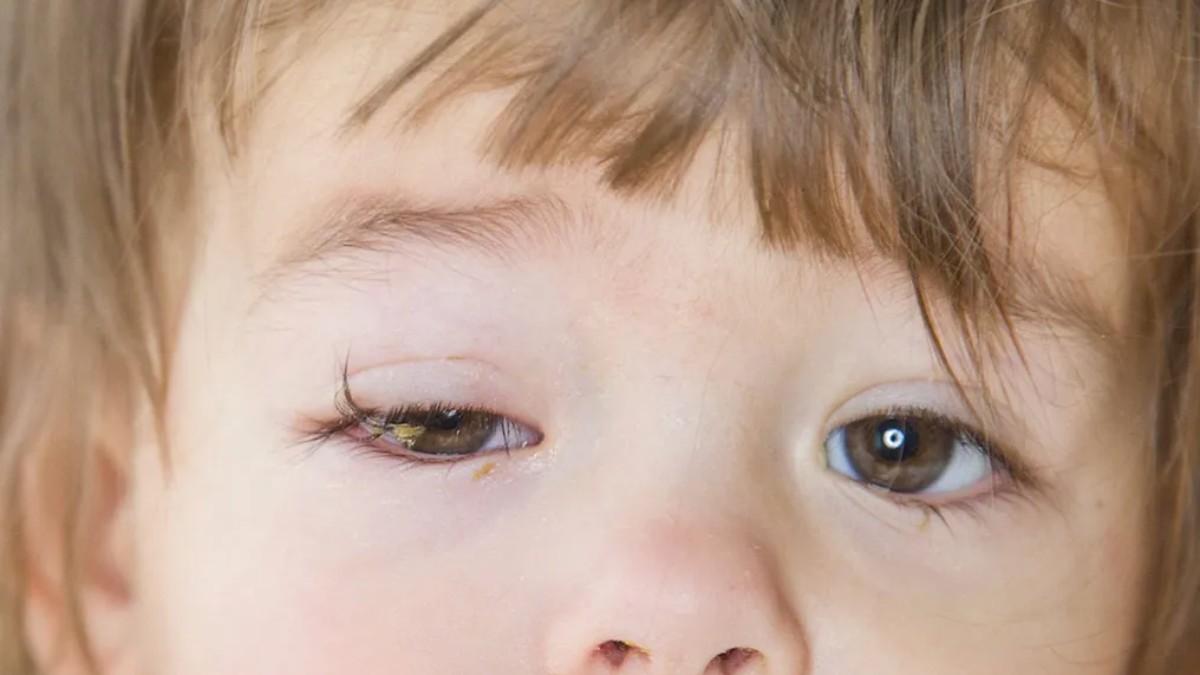
- Redness in one or both eyes
- Eye discharge (watery, yellow, or green)
- Itchiness or burning sensation
- Excessive tearing
- Crusting around the eyes, especially after sleep
- Swollen eyelids
- Sensitivity to light
Toddlers can’t always articulate discomfort clearly. Look for frequent eye rubbing, irritability, or changes in eating and sleeping patterns.
How to Tell What Type of Pink Eye Your Toddler Has
Before treating pink eye in toddlers, it’s important to distinguish between the types. Here’s how to spot the differences:
- 1. Bacterial Pink Eye: If your toddler wakes up with crusted, sticky eyes or green/yellow pus, you’re likely dealing with a bacterial infection. This type is contagious and may require antibiotics prescribed by a pediatrician.
- 2. Viral Pink Eye: This version is common during or after a cold. The discharge is usually clear or watery, and both eyes often become affected sequentially. Viral pink eye is contagious but often self-limiting.
- 3. Allergic Pink Eye: If the condition appears seasonally or around certain triggers like dust or pets—and your toddler has other allergy symptoms like sneezing or nasal congestion—it may be allergic conjunctivitis. This form is not contagious.
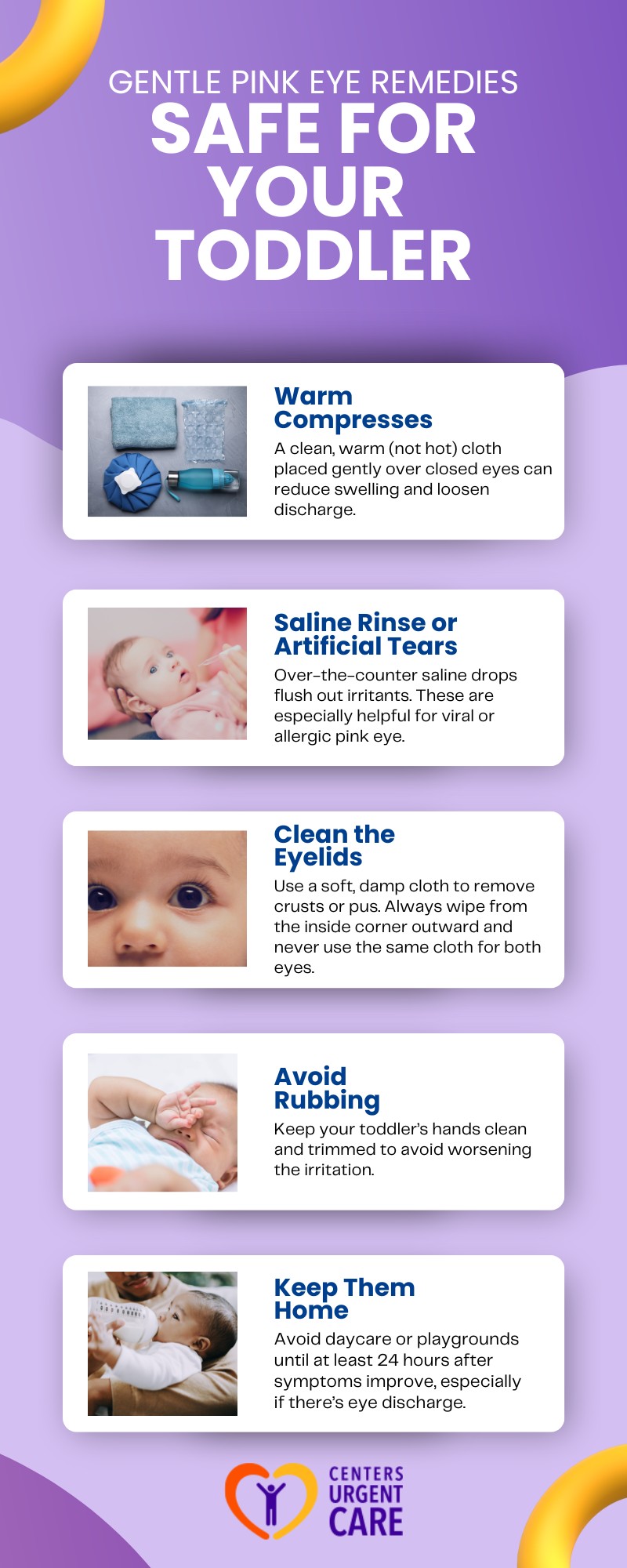
5 Safe Home Remedies for Mild Pink Eye in Toddlers
Your toddler’s mild symptoms, when clearly not severe, can be eased with these remedies for comfort and healing. But always speak with a pediatrician before trying new treatments.
When to Use Medications for Pink Eye
Some cases need more than just home care. Here’s when medication is typically necessary:
Antibiotics for Bacterial Pink Eye
- Prescribed eye drops or ointments
- Begin working within 24–48 hours
- Complete the full course even if symptoms improve
Antihistamines for Allergic Pink Eye
- Oral antihistamines (like cetirizine or loratadine) for toddlers 2+
- Pediatrician-approved allergy eye drops
Antiviral Medication
- Rarely used; only prescribed for serious viral infections like herpes-related conjunctivitis
Avoid over-the-counter eye drops unless recommended by your doctor—some may not be safe for toddlers.
How to Prevent Pink Eye from Spreading at Home
If one child has it, others are at risk. These steps can help limit spread:
- Practice Good Hand Hygiene: Wash hands thoroughly and often with soap and water.
- Avoid Sharing Personal Items: Don’t let toddlers share towels, pillows, or washcloths.
- Disinfect Surfaces Daily: Wipe down toys, counters, and electronics with kid-safe disinfectants.
- Change Pillowcases Frequently: Launder pillowcases and bed sheets in hot water during the infection period.
- Supervise Toddler’s Touching Habits: Gently discourage eye rubbing and remind them (when possible) to use tissues for wiping.
When to Seek Medical Care for Pink Eye
There are moments when treating pink eye in toddlers at home isn’t enough, and medical attention becomes necessary. You should call a doctor or visit an urgent care center immediately if the eye becomes very swollen or painful, symptoms persist for more than five days without improvement, your toddler develops a fever or has worsening cold symptoms, there are signs of vision trouble or light sensitivity, or if the discharge becomes bloody or unusually thick. These symptoms could indicate a more serious infection or a different condition altogether, such as a blocked tear duct or an eye injury.
What Not to Do When Treating Pink Eye in Toddlers
Avoid these common mistakes when dealing with your child’s eye health. Never use adult eye drops—instead, always opt for pediatric-specific medication to ensure safety and effectiveness. Don’t send your child back to daycare too soon; it’s best to wait until their symptoms are completely gone or they’ve been cleared by a healthcare provider. Be cautious not to overlook persistent symptoms, as what appears to be pink eye could signal a more serious condition. And while natural remedies can help with comfort, don’t rely on them alone—they often don’t address the underlying infection. Just as with eye care, being proactive and informed is key to preventing other childhood injuries—learn more in The Ultimate Guide to Playground Injury Prevention for Parents.
Should You Keep Your Toddler Home From Daycare or Preschool?
Yes, especially if they have discharge or crusting. Bacterial and viral conjunctivitis are highly contagious. Even if symptoms seem minor, keeping your toddler home helps prevent outbreaks in classrooms and playgroups.
Check with your daycare’s health policy. Many require a note from a healthcare provider or that your child be symptom-free for 24 hours before returning.
Can Pink Eye in Toddlers Heal on Its Own?
Viral pink eye can heal without treatment in 7–10 days. Allergic pink eye improves when the allergen is removed. Bacterial forms may resolve on their own but are more safely and quickly treated with antibiotics.
Monitor your child and don’t hesitate to involve a healthcare provider if anything feels off.
Need Immediate Help? Visit One of the Best Urgent Care Centers in NYC
At Centers Urgent Care, we know how stressful it can be when your toddler wakes up with a red, irritated eye. Our skilled pediatric-friendly providers deliver fast, accurate diagnosis and treatment plans tailored for little ones. Whether your child needs antibiotic eye drops or just a confirmation that it’s nothing serious, we’re here to help.
Conveniently best urgent care in NYC, we offer short wait times, walk-in availability, and compassionate care for the entire family—children and adults alike.
Visit us today—one of the best urgent care in NYC—for prompt, high-quality treatment.