



















Comprehensive Physical Examination
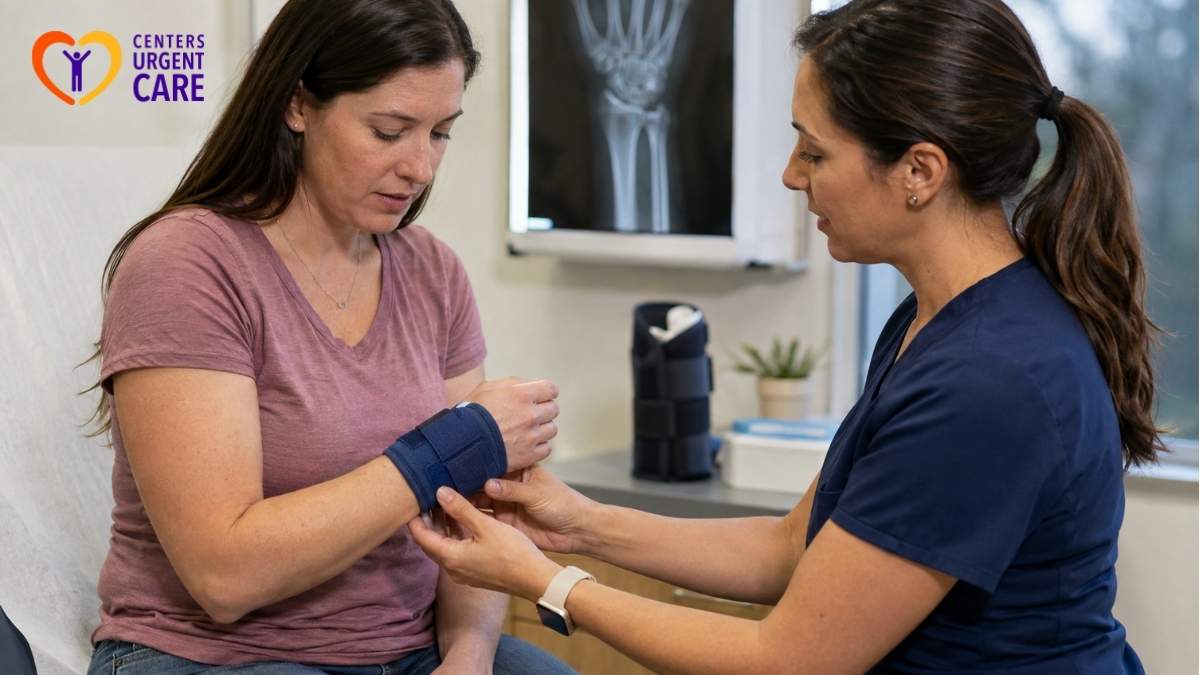
During a check-up, pediatricians perform a thorough physical examination to assess the child’s overall health. This includes measuring height, weight, and head circumference (in infants) to monitor growth patterns. Vital signs such as heart rate, respiratory rate, and blood pressure are also checked. The pediatrician examines the child’s eyes, ears, nose, throat, chest, abdomen, limbs, and skin to detect any abnormalities.
Developmental and Behavioral Assessments
Evaluating a child’s developmental milestones is a crucial aspect of pediatric check-ups. Pediatricians assess motor skills, language development, social interactions, and cognitive abilities to ensure the child is progressing appropriately for their age. They also discuss behavioral aspects, sleep patterns, and emotional well-being with parents to identify any concerns that may need further attention.
Preventive Care and Immunizations
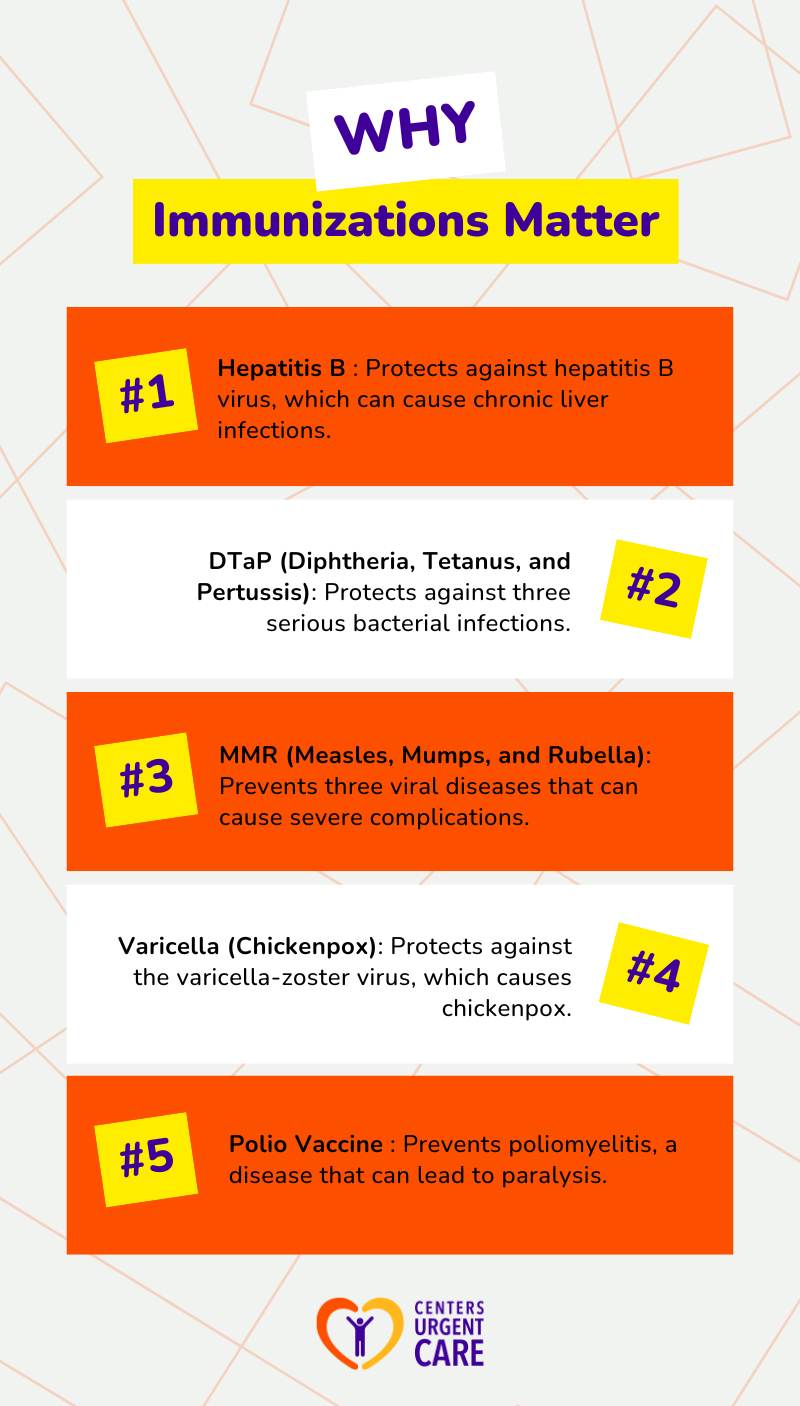
Preventive care is a cornerstone of pediatric practice. During check-ups, pediatricians administer necessary immunizations to protect children from various infectious diseases. They provide guidance on nutrition, physical activity, and safety measures to promote a healthy lifestyle. Discussions may also include topics like screen time, dental care, and accident prevention based on the child’s age and developmental stage.
Addressing Parental Concerns
Pediatric check-ups offer an opportunity for parents to discuss any concerns regarding their child’s health, behavior, or development. Pediatricians provide evidence-based advice, answer questions, and offer support on various topics, including feeding practices, sleep routines, and managing common childhood illnesses.
Health Screenings and Tests
Depending on the child’s age and medical history, pediatricians may recommend specific screenings during check-ups. These can include vision and hearing tests, anemia screenings, lead exposure assessments, and evaluations for conditions like autism or attention-deficit/hyperactivity disorder (ADHD). Early detection through these screenings allows for timely interventions, improving long-term outcomes.
Building a Trusted Relationship
Regular pediatric check-ups help build a trusting relationship between the family and the pediatrician. This rapport encourages open communication, enabling parents and children to feel comfortable discussing sensitive topics. A strong doctor-patient relationship fosters continuity of care, which is vital for monitoring chronic conditions and ensuring comprehensive healthcare.

Frequency of Pediatric Check-Ups
The AAP provides a schedule for well-child visits to ensure consistent monitoring of a child’s health and development. These visits are more frequent during the early years when rapid growth and development occur. The recommended schedule includes:
- Infancy (0-12 months): Newborn, 1 month, 2 months, 4 months, 6 months, 9 months, and 12 months.
- Early Childhood (1-4 years): 15 months, 18 months, 24 months, 30 months, and annually at 3 and 4 years.
- Middle Childhood and Adolescence (5-21 years): Annually.
Adhering to this schedule ensures that any deviations from typical growth or development are promptly addressed.
5 Common Concerns Addressed During Check-Ups
Pediatricians address a wide range of topics during check-ups, tailored to the child’s age and individual needs. Some common concerns include:
- Nutrition: Guidance on balanced diets, breastfeeding, formula feeding, and transitioning to solid foods.
- Sleep: Recommendations for establishing healthy sleep routines and addressing sleep disturbances.
- Behavior: Strategies for managing tantrums, discipline, and promoting positive behavior.
- Development: Monitoring milestones such as crawling, walking, talking, and social interactions.
- Safety: Advice on childproofing the home, car seat safety, and injury prevention.
Discussing these topics helps parents navigate the challenges of raising healthy children and reinforces best practices for each developmental stage.
The Role of Immunizations
Immunizations are a critical component of preventive healthcare in pediatrics. They protect children from various infectious diseases that can have severe health implications. The immunization schedule is designed to provide immunity at optimal times, starting from birth. Some key vaccinations include: