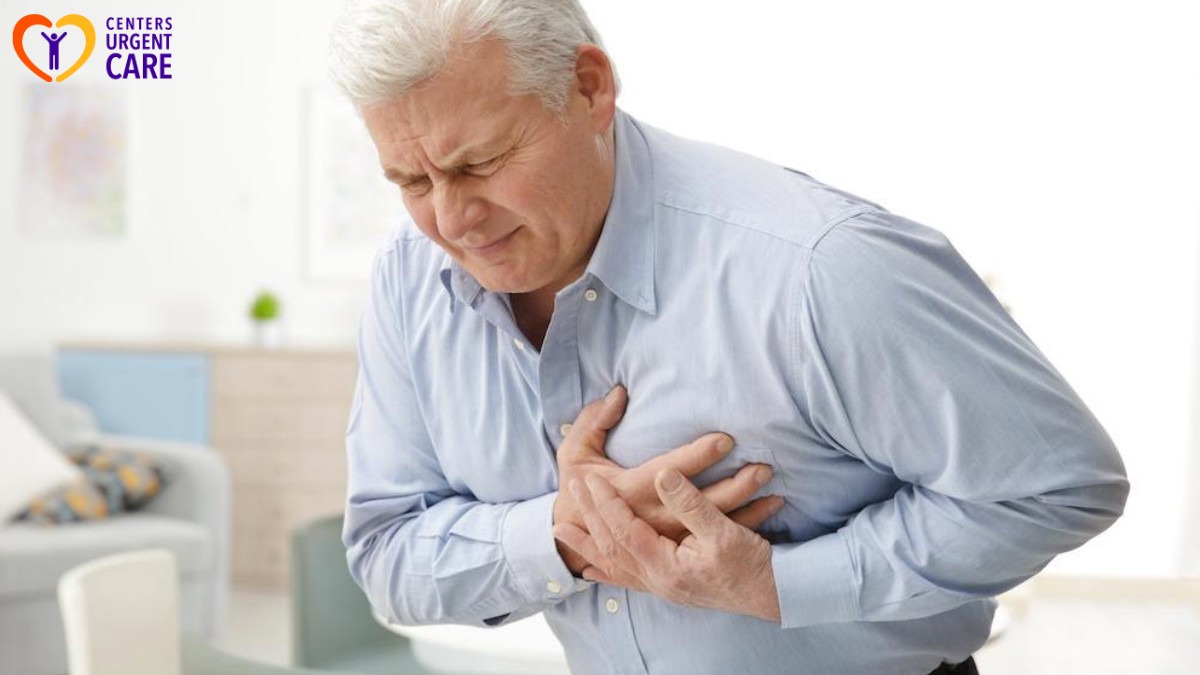
If you experience chest pressure, you may need urgent care immediately depending on accompanying symptoms. Chest pressure can signal a heart attack, pulmonary embolism, or other serious conditions requiring fast medical evaluation. Whether you’re preparing for a DOT physical or just monitoring your health, if your chest pressure is severe, persistent, or accompanied by symptoms like shortness of breath, sweating, or pain radiating to your arm or jaw, seek urgent care right away.
Can Urgent Care Help Chest Pressure?
Yes. Urgent care centers can help with mild to moderate chest pressure, especially if the symptoms are not accompanied by severe signs such as intense pain, shortness of breath, fainting, or radiating discomfort in the arm or jaw. They are equipped to perform initial assessments like EKGs and basic blood tests to determine if the issue is minor or if the patient needs to be transferred to an emergency room. However, if the chest pressure is sudden, severe, or suggests a heart attack, it is safer to call 911 or go directly to the emergency department.
Understanding Chest Pressure: When is it Serious?
Chest pressure isn’t always a heart attack, but ignoring it can be dangerous. Many people underestimate the severity of chest discomfort, thinking it might be indigestion or stress. However, chest pressure can be a symptom of acute coronary syndrome, angina, or other life-threatening conditions. It’s crucial to differentiate between harmless causes and emergencies.
Chest pressure that comes on suddenly, worsens, or lasts longer than a few minutes is a red flag. When combined with other symptoms, it often signals an urgent medical issue. Below, we explore the specific signs and symptoms that indicate you need urgent care for chest pressure now.
5 Signs Accompanying Chest Pressure That Require Urgent Care
Chest pressure alone may not always be alarming, but when paired with the following symptoms, it’s time to act immediately. The presence of these signs increases the likelihood that your chest pressure is due to a serious cardiac event or other urgent medical problem.
Before jumping into the list, keep in mind that the faster you get treatment, the better your chances for recovery. Don’t hesitate or try home remedies first if you recognize these symptoms.
Chest Pressure with Shortness of Breath
If you find it hard to breathe or are gasping for air while feeling chest pressure, it’s a clear signal you need urgent evaluation. This combination often points to heart or lung conditions like heart attack, heart failure, or pulmonary embolism.
Radiating Pain to the Arm, Neck, or Jaw
Pain or pressure spreading from your chest into your left arm, neck, jaw, or back can be a classic sign of a heart attack. This symptom requires immediate urgent care to prevent heart muscle damage.
Excessive Sweating and Nausea
Breaking out in cold sweat, feeling nauseated, or vomiting with chest pressure suggests your body is under significant stress, commonly from cardiac distress.
Sudden Weakness or Dizziness
Feeling faint, dizzy, or weak along with chest pressure can mean your brain and organs aren’t getting enough blood. This could indicate a severe cardiac event needing urgent intervention.
Palpitations or Irregular Heartbeat
If your heart races, skips beats, or feels like it’s fluttering while you experience chest pressure, urgent care is needed to assess for arrhythmias or other heart issues.
3 Other Symptoms That Should Prompt Urgent Care
While the classic heart attack symptoms are well known, some less obvious signs also warrant urgent attention.
Severe or Persistent Chest Pressure
Pressure that does not improve or worsens over time should never be ignored.
Sudden Onset of Chest Pain After Physical Activity
If chest pressure begins during or immediately after exertion and doesn’t ease with rest, this could indicate angina or blocked arteries.
Difficulty Speaking or Sudden Weakness on One Side
If chest pressure coincides with stroke-like symptoms (slurred speech, one-sided weakness), urgent care is critical.
What Causes Chest Pressure That Requires Urgent Care?
Understanding the causes behind chest pressure helps explain why urgent care is essential.
- Heart Attack: Blockage in coronary arteries cutting off blood flow to heart muscle.
- Angina: Temporary chest pain due to reduced blood flow.
- Pulmonary Embolism: Blood clot in the lungs causing pressure and breathing issues.
- Aortic Dissection: Tear in the aorta wall that is life-threatening.
- Pericarditis: Inflammation of the heart’s lining causing chest discomfort.
Other less dangerous causes like acid reflux or muscle strain rarely require urgent care, but distinguishing these requires medical evaluation.
What To Do If You Experience Chest Pressure
If you experience chest pressure with any of the symptoms mentioned, call emergency services immediately. While waiting, avoid physical exertion, take deep breaths if possible, and remain calm. Do not drive yourself to the hospital unless absolutely necessary.
How Urgent Care Centers Can Help With Chest Pressure
Urgent care facilities are equipped to perform rapid evaluations such as ECGs, blood tests, and imaging to determine if chest pressure is cardiac-related. They provide quick access to doctors who can stabilize your condition, administer medications, and coordinate further treatment or hospital transfer if needed.
Get Fast, Reliable Urgent Care for Chest Pressure in NYC
If chest pressure strikes, seconds count. Centers Urgent Care offers fast, high-quality urgent care services for children and adults, providing expert evaluation and treatment without long waits. If you’re facing chest discomfort or any worrying symptoms, don’t hesitate to get urgent care for chest pressure from one of the best urgent care in NYC. Our compassionate team is ready to help you safely and quickly, ensuring you receive the care you need.
If you or a loved one experiences troubling chest pressure, trust Centers Urgent Care for prompt, professional care. Visit us today to safeguard your heart and health.