
























Exploring the realm of blood tests unveils their significance in the realm of healthcare and sheds light on the procedure involved in conducting such tests.
Table of Contents
ToggleImportance of Blood Tests
An integral part of medical diagnostics, blood tests play a crucial role in assessing an individual’s overall health status. These tests provide valuable insights into various aspects of health, including detecting infections, evaluating organ function, monitoring chronic conditions, and screening for potential health issues.
Through analyzing different components present in the blood, healthcare providers can gather essential information about a person’s nutritional status, hormone levels, blood cell count, and much more. This data aids in diagnosing medical conditions, monitoring treatment effectiveness, and identifying potential health risks at an early stage.
Blood Test Procedure
The blood test procedure typically involves the collection of a blood sample, which is then analyzed in a laboratory to obtain diagnostic information. Blood tests are commonly conducted at GP surgeries, hospitals, or urgent care with the process taking about 10 minutes on average.
One of the most common methods of collecting a blood sample is through venipuncture, where a lab professional extracts blood from a vein in the arm using a small needle. This procedure is relatively quick, lasting less than five minutes, and may cause a slight stinging sensation.
During the blood test, a trained phlebotomist will sanitize the area, insert the needle into a vein in the arm, draw the blood sample, and cover the puncture site with an adhesive bandage for comfort. This process ensures the safe and efficient collection of the blood specimen for testing purposes.
Understanding the importance of blood tests and familiarizing oneself with the blood test procedure is essential for individuals seeking medical insights and diagnostic information to manage their health effectively. By collaborating with healthcare providers and adhering to the recommended testing protocols, individuals can leverage the power of blood tests in uncovering vital health indicators and making informed healthcare decisions.
Reasons for Blood Testing
Blood testing plays a crucial role in diagnosing medical conditions and assessing the effectiveness of medications. Understanding the reasons for blood testing can provide valuable insights into an individual’s health status and guide healthcare decisions.

Medical Conditions Diagnosis
Blood tests are commonly used to diagnose a wide range of medical conditions. These tests provide healthcare providers with essential information about a patient’s overall health and help identify underlying issues that may be causing symptoms. Some common medical conditions diagnosed through blood testing include:
- Cancer – Detects cancer markers in the blood
- Diabetes – Monitors blood glucose levels
- Heart Disease – Assesses cholesterol levels and heart health markers
- HIV/AIDS – Determines viral load and immune system status
- Bleeding or Clotting Disorders – Evaluates blood clotting factors
- Immune System Issues – Measures immune response and identifies autoimmune conditions
- Anemia Types – Identifies different types of anemia
- Hemoglobin Variations – Detects variations in hemoglobin common in certain ethnic backgrounds
Medication Effectiveness
In addition to diagnosing medical conditions, blood tests are also used to assess the effectiveness of medications. By monitoring specific markers in the blood, healthcare providers can determine whether a medication is achieving the desired therapeutic effect. This helps in optimizing treatment plans and ensuring that patients are receiving the most beneficial and appropriate medications for their conditions.
Blood tests can reveal important information about how the body is responding to medication, such as:
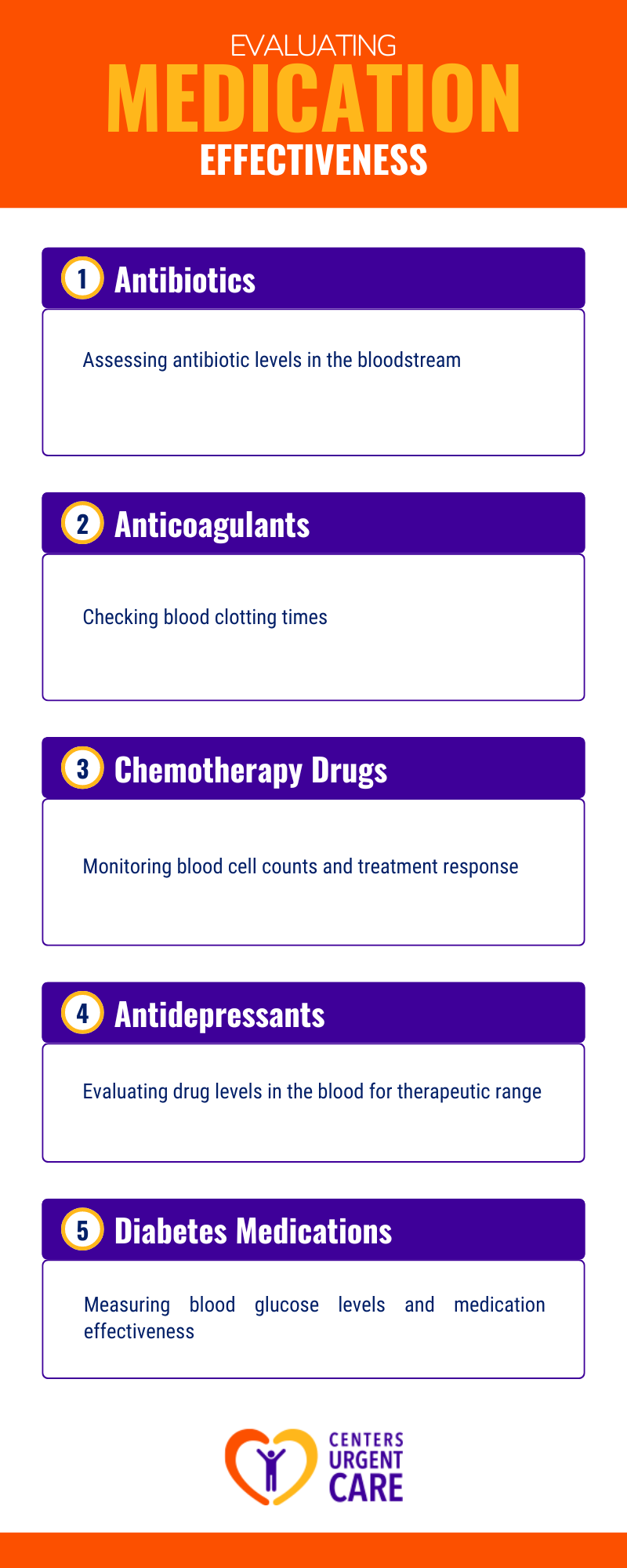
Understanding the significance of blood testing in diagnosing medical conditions and monitoring medication effectiveness, individuals can proactively manage their health with the guidance of healthcare professionals. Regular blood tests are instrumental in maintaining overall well-being and ensuring optimal treatment outcomes for various health conditions.
Types of Blood Tests
Regarding deciphering the meaning behind blood tests, there are several key types of tests that healthcare providers may order to gain valuable insights into an individual’s health status. These tests play a crucial role in diagnosing medical conditions, monitoring treatment effectiveness, and assessing overall well-being. Let’s explore three common types of blood tests:
Complete Blood Count (CBC)
A CBC is one of the most frequently performed blood tests, providing essential information about the quantity and quality of various blood components. This comprehensive test evaluates the levels of red blood cells, white blood cells, and platelets in the blood.
- Red Blood Cells – 4.2 – 5.4 million cells/mcL
- White Blood Cells – 4,500 – 11,000 cells/mcL
- Platelets – 150,000 – 400,000 cells/mcL
Analyzing the CBC results, healthcare providers can assess overall health, screen for various conditions such as anemia or infection, and monitor the body’s response to treatments like chemotherapy or radiation therapy.
Blood Chemistry Tests
Blood Chemistry Tests, also known as blood chemistry panels, provide valuable information about the levels of important substances in the blood. These tests evaluate parameters such as electrolytes, glucose, proteins, cholesterol, and enzymes that play crucial roles in various bodily functions.
- Glucose – 70 – 99 mg/dL (fasting)
- Total Cholesterol – Less than 200 mg/dL
- Sodium – 135 – 145 mmol/L
- Creatinine – 0.84 – 1.21 mg/dL
Blood chemistry tests are instrumental in assessing organ function, detecting metabolic abnormalities, and evaluating the risk of conditions like diabetes, kidney disease, and heart disease.

Blood Enzyme Tests
Blood Enzyme Tests measure the levels of specific enzymes in the blood, providing valuable insights into organ function and the presence of certain medical conditions. Enzymes play a vital role in catalyzing biochemical reactions in the body, and abnormal enzyme levels can indicate tissue damage or dysfunction.
- Creatine Kinase (CK) – 22 – 198 U/L
- Alanine Aminotransferase (ALT) – 7 – 56 U/L
- Aspartate Aminotransferase (AST) – 10 – 40 U/L
Elevations in enzyme levels, such as in the case of liver enzymes ALT and AST, may indicate liver damage, while elevated CK levels can be a sign of muscle injury or heart conditions.
These types of blood tests, including CBC, blood chemistry tests, and blood enzyme tests, provide valuable insights into an individual’s health status and help healthcare providers make informed decisions regarding diagnosis and treatment. Understanding the significance of these blood tests can empower individuals to take proactive steps in managing their health effectively.
Preparation for Blood Tests
Before undergoing a blood test, there are specific preparation steps that individuals need to follow to ensure accurate results and a smooth testing process. This section covers two crucial aspects of preparing for blood tests: fasting requirements and medication disclosure.
Fasting Requirements
For certain blood tests, fasting is necessary before the test to obtain correct results. The duration of fasting required may vary depending on the specific test being conducted. These tests are commonly scheduled for early morning appointments to accommodate fasting periods effectively.
It is vital to follow the fasting instructions provided by your healthcare provider or the laboratory conducting the test. Fasting before the test helps to prevent interference from recently consumed food or beverages, which could alter the test results. By adhering to the fasting guidelines, you can ensure the accuracy of your blood test results and facilitate an efficient testing process.

Medication Disclosure
Another critical aspect of preparing for a blood test is disclosing all medications you are currently taking to your healthcare provider. It is essential to provide a comprehensive list of both prescription and over-the-counter medications, as well as any supplements or vitamins you may be using.
Informing your healthcare provider about your medication regimen is crucial because certain medications can impact blood test results. In some cases, you may need to temporarily discontinue or adjust the dosage of specific medications before the test to prevent any interference with the results.
Disclosing all medications to your healthcare provider, you can ensure that they have a complete understanding of your health status and make any necessary adjustments to the testing process. This transparency helps to minimize the risk of inaccurate test results and ensures that you receive the most effective and appropriate medical care based on the outcome of the blood test.
Interpreting Blood Test Results
Once the blood test results are available, it is crucial to discuss them with a healthcare provider to gain a comprehensive understanding of the findings. Healthcare professionals play a vital role in interpreting the results and determining if any further testing or interventions are necessary.
Additional Testing if Needed
While blood tests provide valuable information about an individual’s health, they may not always provide a definitive diagnosis. In cases where the results are inconclusive or indicate a potential health concern, additional testing may be required. These additional tests can help healthcare providers further evaluate specific health markers, confirm a diagnosis, or rule out certain conditions.
It is essential for healthcare providers to recommend additional testing based on the initial blood test results and individual health circumstances. The results of follow-up tests can provide a more comprehensive picture of an individual’s health status, contributing to informed decision-making regarding treatment and management plans.
In situations where further testing is necessary, healthcare professionals will guide individuals through the process, explain the purpose of the additional tests, and discuss the expected outcomes. By undergoing additional testing as recommended, individuals can receive a more accurate assessment of their health and ensure that any potential health issues are addressed promptly and effectively.
Interpreting blood test results in collaboration with healthcare providers is a critical step in maintaining optimal health and addressing any underlying health concerns. Through open communication and a proactive approach to healthcare, individuals can make informed decisions about their well-being and take the necessary steps to prioritize their health and wellness.

Importance of Follow-Up
Following a blood test, it is crucial to engage in follow-up care to ensure that you understand and appropriately address the results. Blood tests provide valuable insights into your health status, helping healthcare providers diagnose medical conditions, monitor treatment effectiveness, and track overall well-being.
Upon receiving your blood test results, it is essential to review them with your healthcare provider to gain a thorough understanding of the findings. Your healthcare provider can offer insights into any abnormal results, provide guidance on necessary lifestyle changes or treatments, and address any concerns you may have regarding your health.
In some cases, abnormal blood test results may prompt the need for additional testing or follow-up appointments to further assess specific health indicators. Timely follow-up care is crucial to ensure that any underlying health issues are promptly identified and managed to support your overall health and well-being.
Understanding the potential risks associated with blood testing and recognizing the importance of follow-up care allows you to navigate the process confidently and prioritize your health needs effectively. Maintaining regular communication with your healthcare provider and actively engaging in follow-up care significantly contributes to your overall well-being, ensuring that any health concerns are addressed promptly. At Centers Urgent Care, we offer fast and high-quality urgent care services for both children and adults. Our team is committed to providing attentive and compassionate care, making your health our top priority. If you need urgent care in NYC, don’t hesitate to contact us today! We’re here to assist you in every step of your health journey.
Sources:
2025 has changed my life. I never believed I would be cured by a spell caster who specializes in herbal cure and magical spells. I am talking about the help Doctor Odunga gave to me. I have been cured of herpes HPV which has plagued me for over 2 years. I am very happy to tell others that if you want to be cured or get your ex back spells and get pregnant naturally, even financial blessing through lottery, there is only one place to be and that is with Dr Odunga Spell Temple. Am so happy that just 3 days after taking DR ODUNGA Herbal treatments my herpes was cured permanently. DR ODUNGA also have cure to #HIV #Diabetes #Lupus #Tinnitus #Fibroid #Cancer #Hepatitis B, #Syphilis #Infertility etc … If you have this ailment or whatsoever you might be suffering from you should contact him at his EMAIL: odungaspelltemple@gmail.com OR VIA Whats App +2348167159012
Thank you for sharing this amazing blog. I always love your blogs and blogs from https://curelohealth.com/