























In the realm of diagnostic imaging, abdominal X-rays play a pivotal role in assessing potential issues within the abdominal cavity, making them a valuable tool in the realm of urgent care and health.
Table of Contents
ToggleIntroduction to Abdominal X-rays
An abdominal X-ray, also known as an abdominal plain film, utilizes invisible electromagnetic energy beams to capture detailed images of the abdomen. These images are instrumental in detecting various conditions within the abdominal region, aiding in the assessment of organs like the stomach, intestines, and potential abnormalities.
Purpose of Abdominal X-rays
The primary purpose of abdominal X-rays is to assist healthcare providers in diagnosing a range of conditions affecting the abdomen. These X-rays can reveal key information about the presence of kidney stones, gallstones, bowel obstructions, tumors, abdominal masses, or the existence of free gas within the abdomen. Additionally, they can be utilized to pinpoint the exact location of swallowed objects, or to ensure the correct placement of tubes for drainage or fluid administration.
Abdominal X-rays are a valuable diagnostic tool, providing crucial insights that can guide further medical interventions and treatment plans. By utilizing different patient positioning techniques and imaging methods, healthcare professionals can efficiently gather essential information to make informed decisions about a patient’s health.
Diagnostic Capabilities
Unraveling the diagnostic capabilities of abdominal X-rays offers crucial insights into the various conditions they can help identify and the extended utility they provide in medical settings.
Conditions Diagnosed by Abdominal X-rays
Abdominal X-rays play a pivotal role in diagnosing a spectrum of conditions impacting the abdomen. These diagnostic tools can effectively pinpoint the following conditions:

Moreover, abdominal X-rays serve additional purposes in medical diagnostics. They aid in localizing the precise position of ingested foreign objects, ensuring proper placement of tubes for drainage or fluid administration, and verifying the functionality of medical interventions within the abdomen.
Uses Beyond Diagnosis
Aside from their primary function in diagnosing abdominal conditions, abdominal X-rays extend their utility beyond mere diagnosis. While these X-rays are generally considered low-risk procedures, they involve minimal exposure to radiation. Patients may experience slight discomfort due to positioning during the imaging process, but the benefits of accurate diagnostics far outweigh any temporary discomfort experienced.
The significance of abdominal X-rays transcends mere diagnosis by assisting healthcare professionals in formulating appropriate treatment plans, monitoring the progression of conditions, and ensuring the effectiveness of interventions within the abdominal region. The ability of abdominal X-rays to provide a visual representation of internal structures and abnormalities is instrumental in guiding healthcare decisions and ensuring optimal patient care.
Preparation and Procedure
Regarding undergoing an abdominal X-ray procedure, proper preparation and understanding of the process are essential. This section covers the necessary steps for both preparing for an abdominal X-ray and the actual procedure itself.

Preparing for an Abdominal X-ray
The preparation for an abdominal X-ray typically does not involve fasting or major diet changes. However, it is crucial to inform the healthcare provider about certain factors like Pregnancy, recent bismuth-containing medications, or previous X-ray tests with barium contrast material.
Disclosing this information, the healthcare team can take necessary precautions or adjustments to the procedure based on individual circumstances. While there are usually no specific dietary restrictions for an abdominal X-ray, disclosing these factors is essential for the safety and accuracy of the imaging process.
Conducting the Abdominal X-ray
During the abdominal X-ray procedure, patients are positioned to place the abdomen between the X-ray machine and the film. The specific positioning can vary based on the area of interest and the purpose of the X-ray. Patients may be asked to:
- Stand up
- Lie flat
- Lie on their side
This positioning helps to capture clear images of the abdominal region and any underlying structures of interest. To reduce exposure to X-rays, body parts that are not being imaged are shielded during the procedure.
Abdominal X-rays are a valuable diagnostic tool used to investigate various conditions, ranging from abdominal pain to locating foreign objects in the digestive tract. The imaging techniques involved are crucial in providing detailed and accurate results for healthcare providers to make informed decisions regarding patient care.
Understanding the preparation required and the procedure itself, individuals can approach an abdominal X-ray with confidence and ensure a successful and beneficial diagnostic experience.

Risks and Considerations
Considering undergoing an abdominal X-ray, it is essential to be aware of the potential risks associated with this diagnostic procedure, as well as important patient considerations to ensure a safe and effective imaging process.
Risks Associated with Abdominal X-rays
While abdominal X-rays are generally considered low-risk procedures, they do expose individuals to low levels of radiation. Prolonged or excessive exposure to radiation can have harmful effects on the body, particularly when it comes to sensitive areas like the abdomen. It is crucial for healthcare providers to follow strict guidelines to minimize radiation exposure during the procedure.
One significant risk associated with abdominal X-rays, particularly for women of childbearing age, is the potential impact of radiation on pregnancy. If a patient is pregnant or suspects pregnancy, it is imperative to inform the healthcare provider before undergoing an abdominal X-ray. Radiation exposure during pregnancy can pose serious risks to the fetus, including the development of birth defects.
Additionally, recent barium X-rays of the abdomen can affect the accuracy of an abdominal X-ray. Barium, a contrast material used in X-ray imaging, can interfere with the interpretation of the results. It is important to inform the healthcare provider if any recent imaging procedures involving barium have been performed.
Patient Considerations
Before undergoing an abdominal X-ray, patients should communicate any relevant medical history, including existing conditions, past surgeries, allergies, and current medications. This information is essential for the healthcare provider to assess the appropriateness of the procedure and make necessary adjustments to ensure patient safety.
During the imaging process, patients may experience discomfort from lying on their back or side for an extended period. It is crucial for patients to communicate any distress or physical limitations to the healthcare team performing the X-ray. Proper positioning and supportive measures can help minimize discomfort and ensure the accuracy of the imaging results.
Patients should also be informed about the expectations and any special preparations required before the abdominal X-ray. This may include fasting for a certain period or refraining from specific activities that could interfere with the imaging quality. Following the healthcare provider’s instructions and guidelines will help optimize the diagnostic value of the abdominal X-ray and contribute to a successful imaging outcome.

Positioning and Imaging
Regarding abdominal X-rays, proper patient positioning and imaging techniques play a critical role in obtaining accurate and valuable diagnostic information. Understanding the positioning requirements and imaging techniques is essential for healthcare providers and patients alike.
Patient Positioning for Abdominal X-rays
During an abdominal X-ray procedure, patients are positioned in various ways to ensure the abdomen is properly captured for imaging. The positioning may vary based on the specific area of the abdomen being examined and the suspected conditions. Different positions for taking abdominal X-rays include:
- Standing: Patients may be asked to stand upright to capture images of the abdomen from a frontal view.
- Lying Flat: Lying flat on the back is a common position that allows for a comprehensive view of the entire abdomen.
- Lying on the Side: In some cases, patients may be required to lie on their side to capture specific angles of the abdomen.
- Other Positions: Depending on the clinical situation, healthcare providers may recommend alternative positions to obtain the necessary imaging.
It is important for patients to follow the positioning instructions provided by the healthcare team to ensure the X-ray images are clear and accurate. Additionally, shielding of body parts not being imaged is practiced to limit exposure to X-rays and protect sensitive areas from unnecessary radiation.
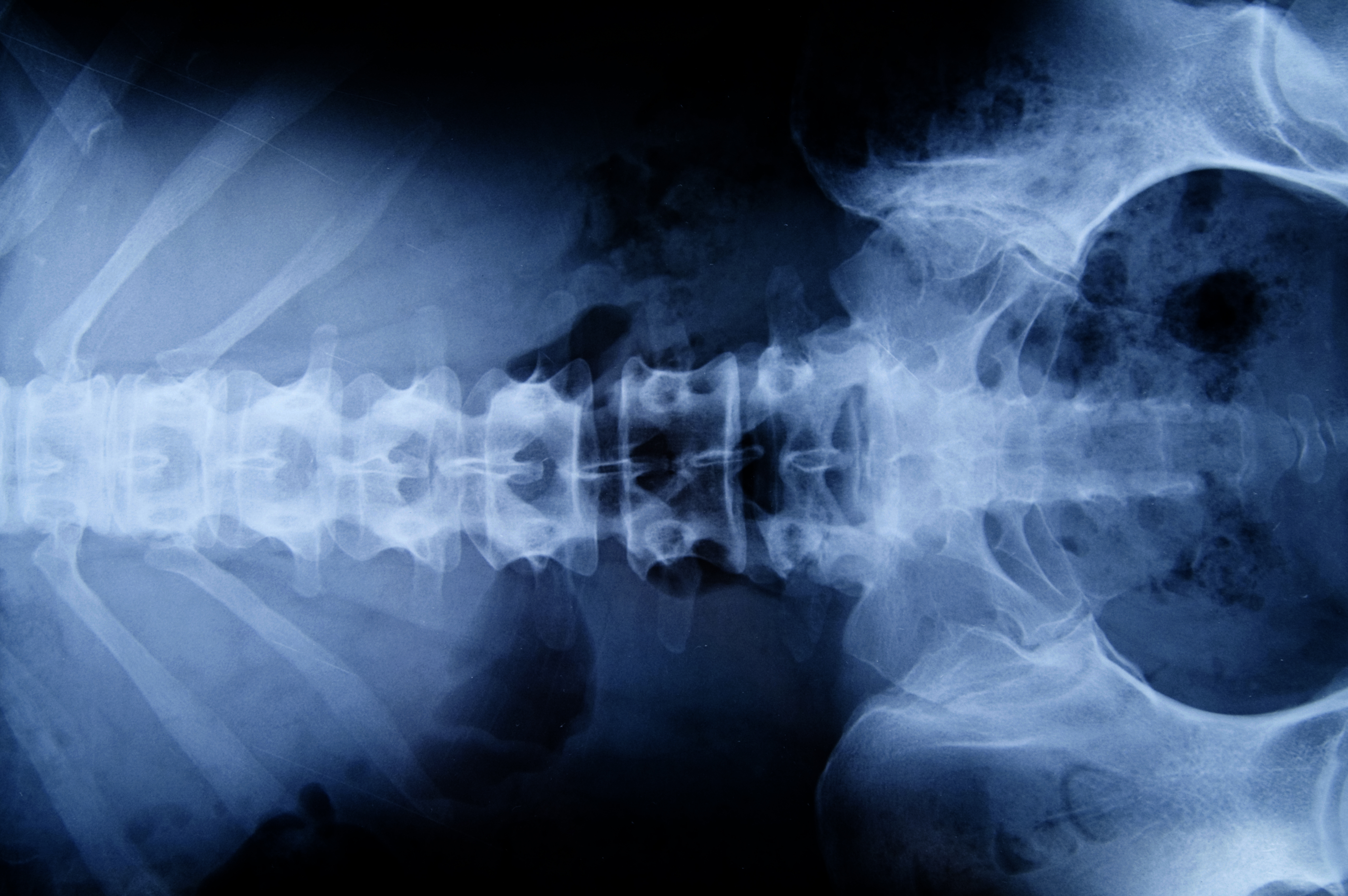
Imaging Techniques
Abdominal X-rays utilize invisible electromagnetic energy beams to produce detailed images of the abdomen. These images are crucial for identifying various conditions such as causes of abdominal pain, locating swallowed objects, or detecting blockages in the intestine. The imaging techniques used during an abdominal X-ray procedure include:
- Frontal View: A frontal view of the abdomen is commonly obtained to assess the overall structure and position of abdominal organs.
- Lateral View: Lateral views may be taken to capture side images of the abdomen for a more comprehensive evaluation.
- Oblique View: Oblique views are angled images that provide additional perspectives of the abdominal area, helping to detect abnormalities that may not be visible on standard views.
- Additional Views: Depending on the diagnostic requirements, healthcare providers may opt for specialized views to target specific areas of concern within the abdomen.
Employing a combination of these imaging techniques and ensuring proper patient positioning, healthcare professionals can obtain high-quality abdominal X-ray images for accurate diagnosis and treatment planning. Patients can rest assured that these imaging practices are designed to prioritize both diagnostic efficacy and patient safety during the X-ray procedure.
Importance and Follow-Up
Understanding the significance of abdominal X-ray results and the necessary follow-up steps post-abdominal X-ray is crucial in utilizing this diagnostic tool effectively. These aspects play a key role in the diagnostic process and subsequent medical decision-making.

Significance of Abdominal X-ray Results
Abdominal X-rays provide valuable insights into various conditions affecting the abdomen, aiding in diagnosis and treatment. These X-rays can help detect a range of issues, including bowel obstruction, tumors, abdominal masses, presence of free gas in the abdomen, openings in the intestine, kidney stones, and blockages. They offer fundamental information on the size, shape, and position of abdominal organs, enabling healthcare providers to assess the underlying pathology and plan appropriate interventions.
The images produced by abdominal X-rays are instrumental in identifying the precise location of swallowed objects and ensuring the correct placement of tubes for drainage or fluid administration. By capturing detailed images of the abdomen, X-rays assist in pinpointing abnormalities that may not be visible through physical examination alone.
Follow-Up Steps Post-Abdominal X-ray
Following an abdominal X-ray, healthcare professionals may recommend additional diagnostic tests or procedures based on the findings to further evaluate the identified abnormalities. In some cases, further imaging studies such as abdominal CT scans or kidney tests may be advised to obtain a more comprehensive assessment of the abdominal region.
Upon receiving the results of an abdominal X-ray, patients should closely follow any instructions provided by their healthcare provider regarding follow-up appointments, treatment plans, or additional investigations. It is essential to adhere to these recommendations to ensure timely and appropriate management of any identified conditions.
Understanding the significance of abdominal X-ray results and taking an active role in the follow-up process allows individuals to engage fully in their healthcare journey. By collaborating with healthcare professionals, they can effectively address any abdominal concerns. The insights gained from abdominal X-rays play a crucial role in the diagnostic pathway, steering the creation of personalized treatment plans that cater to each patient’s specific medical needs. At Centers Urgent Care, we offer fast and high-quality urgent care services for both children and adults. Our dedicated team ensures that you receive prompt attention and exceptional care tailored to your needs. If you require urgent care in New York, don’t hesitate to contact us today! We’re here to help you every step of the way.
Sources:
2025 has changed my life. I never believed I would be cured by a spell caster who specializes in herbal cure and magical spells. I am talking about the help Doctor Odunga gave to me. I have been cured of herpes HPV which has plagued me for over 2 years. I am very happy to tell others that if you want to be cured or get your ex back spells and get pregnant naturally, even financial blessing through lottery, there is only one place to be and that is with Dr Odunga Spell Temple. Am so happy that just 3 days after taking DR ODUNGA Herbal treatments my herpes was cured permanently. DR ODUNGA also have cure to #HIV #Diabetes #Lupus #Tinnitus #Fibroid #Cancer #Hepatitis B, #Syphilis #Infertility etc … If you have this ailment or whatsoever you might be suffering from you should contact him at his EMAIL: odungaspelltemple@gmail.com OR VIA Whats App +2348167159012