
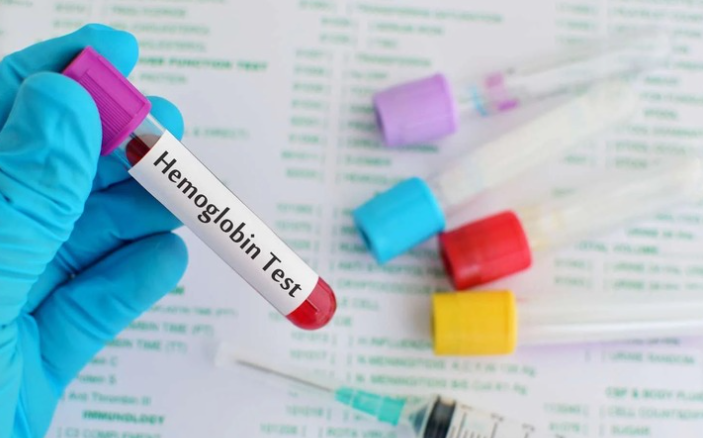
Hemoglobin levels play a vital role in maintaining overall health and well-being. Understanding the significance of hemoglobin in the body and the importance of hemoglobin testing is essential for monitoring and managing various health conditions.
Role of Hemoglobin in the Body
Hemoglobin is an essential protein located in red blood cells, responsible for transporting oxygen from the lungs to the body’s tissues and organs. Additionally, hemoglobin aids in transporting carbon dioxide from the body’s tissues back to the lungs for exhalation. This oxygen-carrying capacity is essential for energy production, metabolism, and maintaining proper organ function. If you experience any concerns related to low hemoglobin levels, visiting an urgent care facility can provide quick evaluation and treatment to ensure your health remains in check.
An imbalance in hemoglobin levels can have significant implications on overall health, leading to conditions such as anemia, which can range from mild to severe and may require immediate medical attention. Anemia can result in symptoms like fatigue, weakness, shortness of breath, and dizziness, emphasizing the critical role of hemoglobin in the body.
Importance of Hemoglobin Testing
Hemoglobin tests are commonly included as part of a complete blood count (CBC) – a routine blood test that provides comprehensive insights into the composition of blood components. By measuring hemoglobin levels, healthcare providers can assess oxygen-carrying capacity, diagnose anemia, monitor treatment effectiveness, and identify underlying medical conditions that may impact hemoglobin production or function.
Regular hemoglobin testing is essential for individuals with known risk factors for anemia, such as nutritional deficiencies, chronic diseases, or certain genetic conditions. Early detection through hemoglobin testing enables timely intervention, lifestyle modifications, and appropriate medical management to optimize hemoglobin levels and overall health outcomes.
Understanding the role of hemoglobin in the body and the necessity of hemoglobin testing empowers individuals to take proactive steps towards maintaining healthy hemoglobin levels, preventing complications associated with anemia, and promoting overall well-being through informed healthcare decisions.
Reasons for Hemoglobin Tests
Hemoglobin tests play a crucial role in monitoring health and diagnosing various conditions. Understanding why these tests are conducted can provide valuable insights into potential health issues. The primary reasons for hemoglobin tests include detecting anemia, identifying blood disorders, and screening for medical conditions.

Identifying Blood Disorders
In addition to detecting anemia, hemoglobin tests are instrumental in identifying various blood disorders. High hemoglobin levels, for instance, may signal underlying conditions such as lung disease, bone marrow disorders, polycythemia vera, or dehydration.
Assessing hemoglobin levels alongside other blood parameters, healthcare professionals can pinpoint the presence of blood disorders and formulate targeted treatment plans. Regular monitoring of hemoglobin levels is particularly crucial for individuals with known blood disorders, as it allows for timely intervention and management.
Interpreting Hemoglobin Levels
Understanding the significance of hemoglobin levels in the blood is crucial for assessing overall health. This section will discuss the normal range of hemoglobin levels and factors that can influence these levels.
Normal Hemoglobin Range
Hemoglobin plays a vital role in transporting oxygen from the lungs to the rest of the body. The normal range for hemoglobin levels is typically between 12 to 17.4 grams per deciliter of blood for adults. It’s important to note that these values can vary based on factors such as age, race, and sex.
Determining whether hemoglobin levels fall within the normal range is essential for evaluating oxygen-carrying capacity and overall health. Hemoglobin levels outside of this range may indicate underlying health conditions that require further investigation and management.

Factors Affecting Hemoglobin Levels
Various factors can impact hemoglobin levels in the body. For instance, low hemoglobin levels, known as anemia, may suggest that the body is not producing an adequate number of red blood cells. Chronic blood loss, nutrient deficiencies (such as iron, vitamin B12, or folate), or certain chronic diseases can lead to a decrease in hemoglobin levels.
Conversely, high hemoglobin levels may indicate conditions such as lung disease, bone marrow disorders, polycythemia vera (a rare blood cancer characterized by an overproduction of red blood cells), or dehydration. Monitoring hemoglobin levels and identifying factors that contribute to fluctuations is essential in diagnosing and managing various health conditions.
Comprehensively interpreting hemoglobin levels and considering the factors that influence these levels, healthcare providers can make informed decisions regarding diagnosis and treatment. Regular monitoring of hemoglobin levels through blood tests is crucial for maintaining overall health and well-being.
Hemoglobin Test Process
Assessing your health status requires understanding the hemoglobin test process. This section covers the hemoglobin test procedure and its role in a complete blood count (CBC) test.
Role in Complete Blood Count
Hemoglobin tests play a crucial role in the comprehensive analysis of your blood profile. Typically, a hemoglobin test is incorporated into a CBC test. The CBC test provides valuable insights by evaluating the number of red blood cells, white blood cells, and platelets present in a blood sample. This thorough examination empowers healthcare providers to assess your overall health status and screen for specific medical conditions.
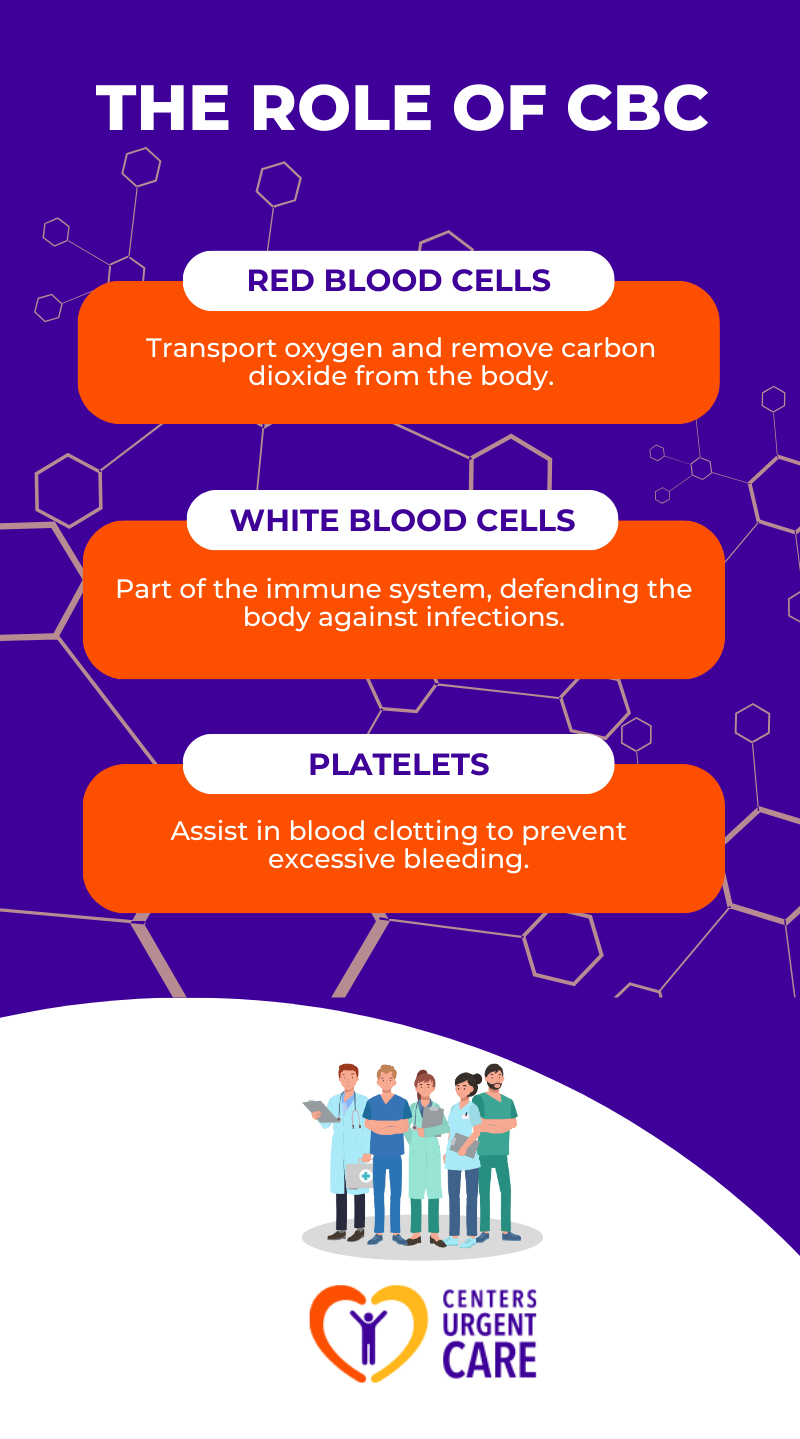
Incorporating a hemoglobin test into the CBC, healthcare professionals can gain a comprehensive understanding of your blood parameters. This holistic approach aids in the accurate diagnosis of conditions such as anemia, blood disorders, and other medical ailments. Through the insights gleaned from hemoglobin testing, healthcare providers can formulate effective treatment plans tailored to your specific health needs.
Implications of Abnormal Hemoglobin Levels
Abnormal hemoglobin levels can indicate underlying health conditions that require attention. Whether hemoglobin levels are too low or too high, understanding the implications is essential for proper health management.
Low Hemoglobin Levels
Low hemoglobin levels, known as anemia, can signal various health issues, such as iron-deficiency anemia. This condition occurs when the body lacks sufficient iron to produce hemoglobin, leading to a decrease in the oxygen-carrying capacity of the blood. Chronic blood loss is another common cause of low hemoglobin levels.
Conditions Indicative of Low Hemoglobin Levels:
- Iron-deficiency Anemia – Insufficient iron for hemoglobin production
- Chronic Blood Loss – Prolonged bleeding resulting in reduced hemoglobin levels
High Hemoglobin Levels
Conversely, high hemoglobin levels can also have significant implications for health. Elevated hemoglobin levels may be a sign of conditions like lung disease, bone marrow disorders, or dehydration.
Conditions Indicative of High Hemoglobin Levels:
- Lung Disease – Respiratory conditions affecting oxygen levels
- Bone Marrow Disorder – Abnormalities in blood cell production
- Polycythemia Vera – Overproduction of red blood cells
Monitoring hemoglobin levels through regular testing is crucial for early detection and management of these conditions. If you suspect that your hemoglobin levels are abnormal, consult a healthcare provider for further evaluation and appropriate treatment.
Performing hemoglobin tests alongside other diagnostic assessments allows healthcare providers to accurately identify and manage blood disorders, ensuring timely interventions and personalized treatment plans. Regular monitoring of hemoglobin levels is crucial for tracking the progression of these conditions and assessing the effectiveness of treatments. At Centers Urgent Care, we offer fast, high-quality urgent care services in NYC for children and adults, ensuring that you receive the best possible care. If you need a hemoglobin blood test or any other medical service. Contact us today to schedule your visit!
Sources:
2025 has changed my life. I never believed I would be cured by a spell caster who specializes in herbal cure and magical spells. I am talking about the help Doctor Odunga gave to me. I have been cured of herpes HPV which has plagued me for over 2 years. I am very happy to tell others that if you want to be cured or get your ex back spells and get pregnant naturally, even financial blessing through lottery, there is only one place to be and that is with Dr Odunga Spell Temple. Am so happy that just 3 days after taking DR ODUNGA Herbal treatments my herpes was cured permanently. DR ODUNGA also have cure to #HIV #Diabetes #Lupus #Tinnitus #Fibroid #Cancer #Hepatitis B, #Syphilis #Infertility etc … If you have this ailment or whatsoever you might be suffering from you should contact him at his EMAIL: odungaspelltemple@gmail.com OR VIA Whats App +2348167159012