Venipuncture blood tests play a crucial role in providing valuable insights into an individual’s health status. Let’s delve into the definition and purpose of venipuncture blood tests, as well as an overview of the procedure.
Definition and Purpose
Venipuncture, commonly referred to as a blood draw, is the process of extracting blood from a vein for laboratory testing. This procedure is essential for diagnosing various medical conditions and monitoring treatment outcomes in settings like urgent care. Typically, blood is drawn from a vein located on the inside of the elbow or the back of the hand. The blood samples collected are then analyzed to assess a wide range of parameters, from cholesterol levels to blood cell counts, aiding healthcare providers in making informed decisions about a patient’s health.
Procedure Overview
The process of venipuncture involves several key steps to ensure a successful blood draw and patient comfort. Patients are usually seated in a chair or positioned lying down, and the healthcare provider begins by identifying a suitable vein for blood collection, often in the arm. A tourniquet is applied above the site to engorge the vein, making it easier to locate. The patient may be asked to make a fist to further assist in vein visibility.
Once the vein is identified, a sterile needle is inserted into the vein, which may cause a minor sensation of pinching or stinging. The blood flows from the vein into a test tube or collection bag through a small tube attached to the needle. It is crucial to draw blood from veins rather than arteries to minimize pain and reduce the risk of complications associated with arterial puncture.

Efficiency and patient comfort are paramount during venipuncture. Healthcare providers must prioritize patient safety and well-being by ensuring proper planning, communication, and sterile technique throughout the procedure. By maintaining a high standard of care and attention to detail, healthcare professionals can enhance the patient experience and facilitate accurate diagnostic testing.
Venipuncture blood tests are an invaluable tool in modern medicine, providing critical information that guides diagnosis, treatment, and overall patient care. Engaging in the best practices for venipuncture ensures reliable test results and contributes to improved patient outcomes in clinical settings.
Preparing for a Venipuncture
As individuals prepare for a venipuncture blood test, it is essential to follow specific guidelines regarding medications, fasting, possible discomfort, and aftercare to ensure the procedure goes smoothly and accurately.
Medication and Fasting Instructions
Before undergoing a blood test, individuals may be required to follow medication and fasting instructions. In some cases, individuals need to stop taking certain medications or fast for a specific period before the test. It is crucial not to make any changes to medications without consulting a healthcare provider first, as certain medications can impact blood test results.
Possible Discomfort and Aftercare
During a venipuncture blood test, individuals may experience slight pain or a sting when the needle is inserted into the vein. Some possible discomforts during and after the procedure include throbbing at the site after the blood is drawn. While the risks associated with venipuncture blood tests are minimal, individuals may experience side effects such as dizziness, sweating, drop in blood pressure, fainting, bruising, soreness, and redness at the needle insertion site following the test.
It is imperative for healthcare providers to prioritize the efficiency of the blood draw while ensuring the comfort and safety of the patient. Selecting suitable veins over arteries is crucial as arteries can cause increased pain and complications. The medial cubital vein, located in the medial cubital fossa, is a common choice for blood draws due to its superficial location and ability to tolerate negative pressures for blood collection.
Proper planning and execution are vital in clinical settings when performing venipuncture. Healthcare providers must be well-informed about the patient’s medical history, inform the patient about the blood draw procedure, and maintain complete sterility throughout the process to enhance patient outcomes and ensure accurate results.
Anatomy of Blood
Understanding the intricacies of blood anatomy is essential when considering venipuncture blood tests. Blood is a complex fluid that serves vital functions in the body, carrying out various tasks to maintain homeostasis and overall health.
Components and Functions
Blood is a specialized fluid that consists of two main components: plasma and cells. Plasma is the liquid portion of blood, comprising substances such as glucose, electrolytes, proteins, and water. It also contains serum, which remains after blood clotting. The cellular components of blood include red blood cells, white blood cells, and platelets. Each of these components plays a crucial role in the body’s functions:
- Red Blood Cells (RBCs): Tasked with delivering oxygen from the lungs to body tissues and facilitating the removal of carbon dioxide for elimination.
- White Blood Cells (WBCs): A component of the immune system that protects the body from infections and external threats.
- Platelets: Essential for blood clotting, preventing excessive bleeding in case of injury.
In addition to these components, blood also carries hormones, nutrients, waste products, and maintains body temperature and fluid balance. The intricate balance of these elements is vital for overall health and well-being.
Importance of Blood Tests
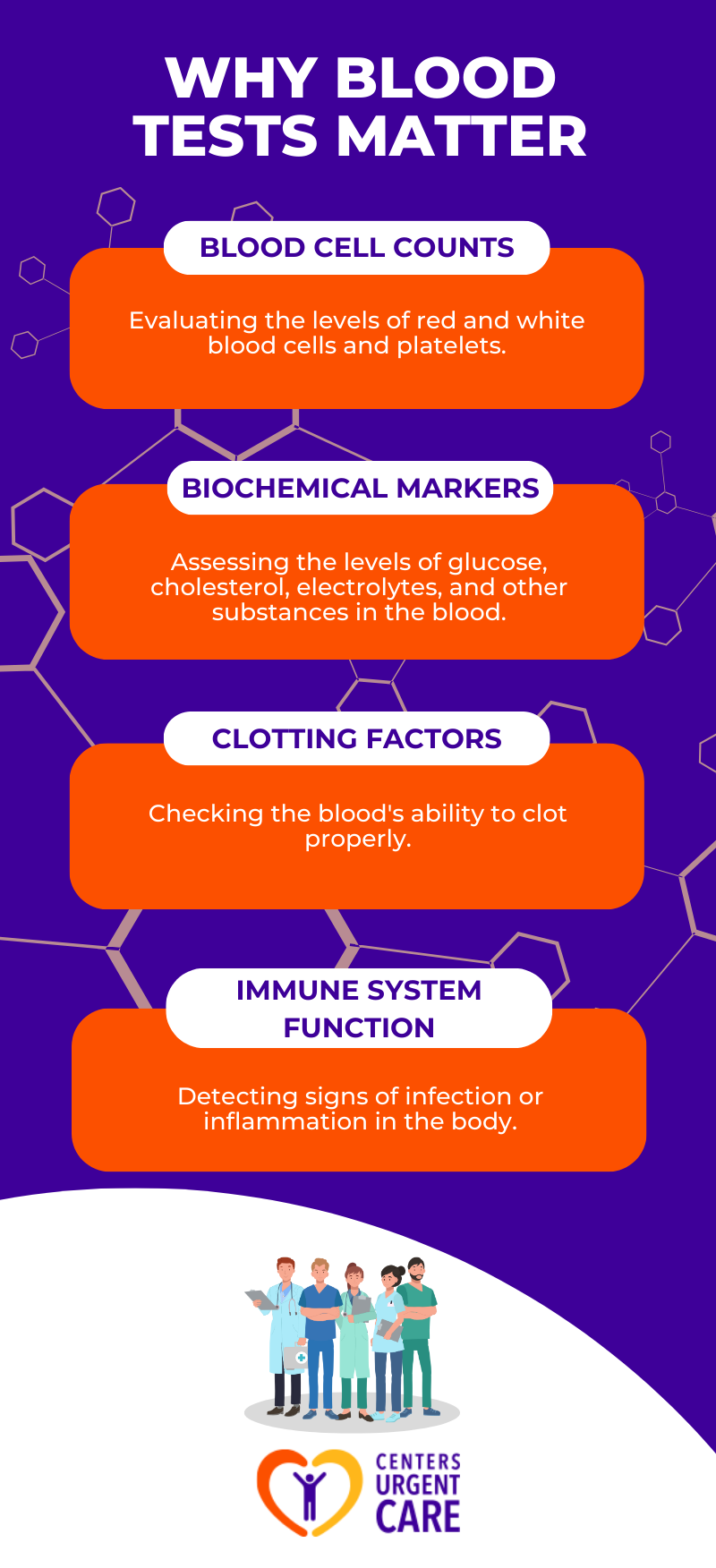
Blood tests are invaluable tools in healthcare, providing vital information about a person’s health status and aiding in the diagnosis and monitoring of various medical conditions. By analyzing blood samples obtained through venipuncture, healthcare providers can gain insights into a patient’s overall health, detect potential issues early, and track the progress of ongoing treatments.
Blood tests can reveal a wide range of information, including:
Interpreting the results of blood tests requires expertise and an understanding of normal ranges for different parameters. Abnormal results can signal underlying health conditions, prompting further investigation and treatment as necessary.
Acknowledging the significance of blood tests and understanding the components of blood, individuals can appreciate the importance of venipuncture procedures in healthcare and the valuable insights they provide into one’s overall well-being.
Interpretation of Blood Test Results
Understanding the significance of abnormal results from venipuncture blood tests is crucial for healthcare providers to assess an individual’s health status accurately. Abnormal results can provide essential clues about underlying health conditions and guide further diagnostic and treatment decisions. Let’s explore the significance of abnormal results and the healthcare insights they offer.
Significance of Abnormal Results
Abnormal blood test results can indicate various health issues, ranging from mild imbalances to severe medical conditions. The interpretation of these results requires a comprehensive understanding of the specific test parameters and the individual’s medical history. Here are some common abnormalities found in blood tests and their potential implications:
- Elevated White Blood Cell Count – Indicates infection, inflammation, or immune system disorders
- Abnormal Hemoglobin Levels – Could suggest anemia or other blood disorders
- High Blood Glucose Levels – May indicate diabetes or impaired glucose metabolism
- Abnormal Liver Enzyme Levels – Could signal liver disease or damage
- Elevated Cholesterol Levels – Linked to cardiovascular risk and metabolic disorders
It’s important for healthcare providers to consider these abnormalities in conjunction with the patient’s symptoms, medical history, and other diagnostic tests for accurate interpretation and proper management of the health condition.
Healthcare Insights
Interpreting blood test results not only helps diagnose existing health conditions but also provides valuable insights into overall health and wellness. Beyond identifying specific diseases or disorders, blood tests can offer healthcare providers a comprehensive view of the patient’s metabolic status, organ function, and nutritional deficiencies. By analyzing trends in blood test results over time, healthcare professionals can monitor the effectiveness of treatments, adjust medication dosages, and track the progression of chronic conditions.
In summary, interpreting abnormal blood test results requires a holistic approach that considers the individual’s health history, symptoms, and specific test parameters. By leveraging these insights effectively, healthcare providers can make informed decisions, tailor treatment plans to individual needs, and promote better health outcomes for their patients.
Therapeutic Phlebotomy
Therapeutic phlebotomy, a specialized medical procedure, involves withdrawing blood as a treatment for specific medical conditions. This therapeutic approach aims to address conditions such as excess red blood cell production (Polycythemia Vera), iron overload (Hemochromatosis), and disruptions in heme synthesis (Porphyria) by removing blood components to improve clinical outcomes.
Definition and Applications
Therapeutic phlebotomy serves as a valuable therapeutic intervention for various medical conditions. By utilizing phlebotomy, healthcare providers can effectively manage specific conditions by regulating blood components such as red blood cells and iron levels. This procedure plays a crucial role in maintaining the health and well-being of individuals affected by conditions that require blood component management.
- Polycythemia Vera – Reducing excess red blood cell production
- Hemochromatosis – Decreasing iron overload in the body
- Porphyria – Correcting abnormalities in heme synthesis
This specialized procedure requires careful planning and execution in clinical care settings to ensure optimal outcomes. Healthcare providers play a critical role in the success of therapeutic phlebotomy by maintaining thorough knowledge of the patient’s medical history, informing the patient about the procedure, and upholding strict standards of sterility to prevent infections and complications.
As research and clinical trials continue to explore the efficacy of therapeutic phlebotomy for various medical conditions, the collaboration between healthcare professionals and patients remains essential in promoting successful treatment outcomes and improving the overall quality of care in venipuncture procedures.
As venipuncture evolves, it’s crucial for healthcare providers to stay informed about the latest advancements and best practices in blood collection and testing. By blending historical insights with modern standards, healthcare teams can ensure they deliver high-quality patient care, utilizing venipuncture to effectively diagnose, treat, and monitor various medical conditions. At Centers Urgent Care, we provide fast, high-quality urgent care services in New York for children and adults, ensuring that your health needs are met promptly and professionally. If you’re seeking urgent care. Contact us today to learn how we can support you and your family!
Sources:
2025 has changed my life. I never believed I would be cured by a spell caster who specializes in herbal cure and magical spells. I am talking about the help Doctor Odunga gave to me. I have been cured of herpes HPV which has plagued me for over 2 years. I am very happy to tell others that if you want to be cured or get your ex back spells and get pregnant naturally, even financial blessing through lottery, there is only one place to be and that is with Dr Odunga Spell Temple. Am so happy that just 3 days after taking DR ODUNGA Herbal treatments my herpes was cured permanently. DR ODUNGA also have cure to #HIV #Diabetes #Lupus #Tinnitus #Fibroid #Cancer #Hepatitis B, #Syphilis #Infertility etc … If you have this ailment or whatsoever you might be suffering from you should contact him at his EMAIL: odungaspelltemple@gmail.com OR VIA Whats App +2348167159012