

















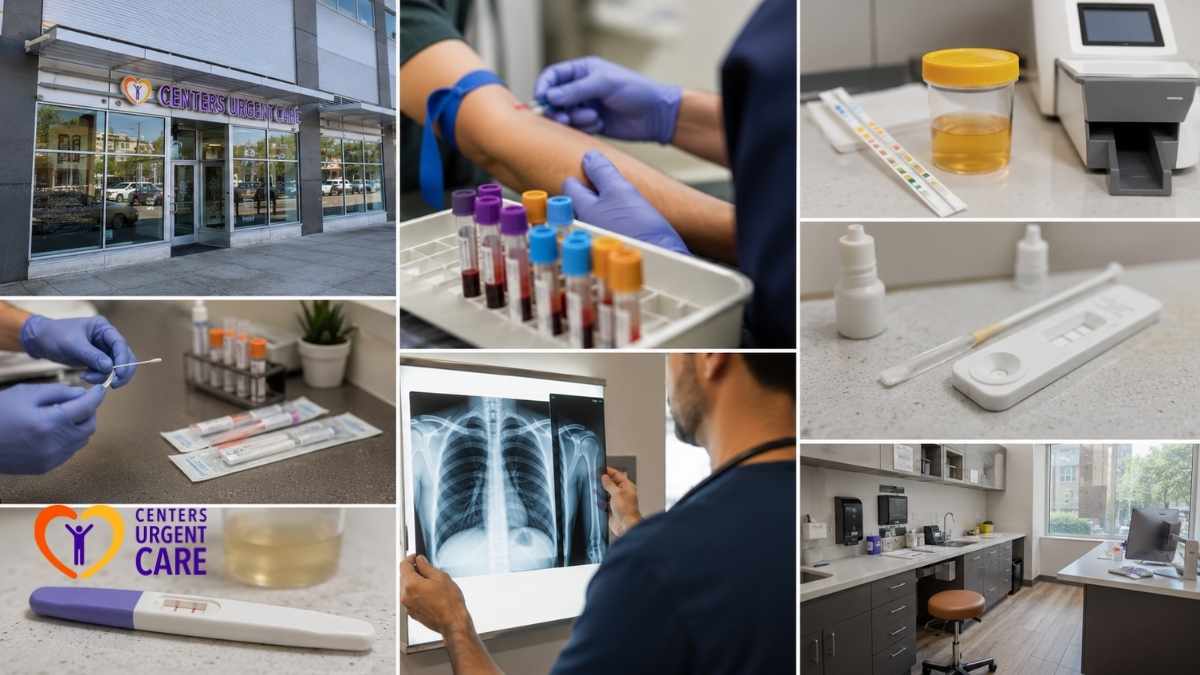





Blood bank procedures refer to the organized steps that ensure the safe collection, testing, processing, and distribution of blood and its components. They are essential to modern healthcare, supporting surgeries, trauma care, and chronic conditions that require regular transfusions. In many cases, additional diagnostics such as a chest X-ray may be performed alongside blood work to assess a patient’s overall condition before or after a transfusion.
According to the World Health Organization, more than 118.5 million blood donations are collected worldwide each year. Behind each unit of blood is a complex set of procedures that make it safe and effective. From initial donor screening to matching blood types, blood banking procedures involve meticulous attention to safety, compatibility, and regulatory compliance. Understanding these steps helps demystify the process and sheds light on how crucial blood banks are to patient survival.
Why is Donor Screening the First Step in Blood Bank Procedures?
Donor screening is not just a formality—it’s the foundation of all safe blood banking practices. Before a single drop is collected, potential donors undergo a series of checks that protect both them and the recipients of their blood. This involves medical history, travel history, and lifestyle-based questionnaires, along with a brief physical exam.
Here’s what screening typically includes:
- Verification of ID and donor eligibility
- Blood pressure, hemoglobin level, and pulse check
- Medical history review, focusing on illnesses, recent surgeries, or medications
- Recent travel and vaccination status
- Risk behavior assessment, including recent tattoos or piercings
These checks reduce the risk of transfusion-transmitted infections (TTIs) and ensure the donor is fit to give blood.
How is Blood Collected and What Happens During the Process?
After passing screening, donors proceed to phlebotomy, the process of drawing blood. This is performed using sterile, single-use needles to prevent contamination. Depending on what’s needed—whole blood or specific components—different types of donation methods are used.
Common Methods of Blood Collection:
- Whole Blood Donation – A standard method, typically taking 8-10 minutes.
- Apheresis – Uses a machine to collect platelets, plasma, or red cells while returning the rest to the donor. This can take 45-90 minutes.
- Autologous Donation – The donor gives blood for their own future use, often prior to planned surgeries.
Collected blood is immediately labeled with barcodes and stored in temperature-controlled containers for safe transport to the testing lab.
What Happens During Blood Testing and Processing?
Every unit of donated blood goes through rigorous testing to identify any potential infectious diseases and confirm blood type. These lab procedures are central to the integrity of the blood supply and follow guidelines from agencies like the FDA or WHO.
Blood Testing Includes:
- ABO and Rh blood typing
- Infectious disease screening for HIV, Hepatitis B and C, syphilis, West Nile virus, and more
- Antibody screening to detect unusual antibodies that may complicate transfusion
Once testing is complete, blood is separated into components using centrifugation:
- Red Blood Cells (RBCs) – Used for anemia, surgery, and trauma
- Plasma – Helpful for burn victims and clotting disorders
- Platelets – Used in cancer or transplant patients
Each component is stored under specific temperature and shelf-life standards.
How Does Crossmatching Work in Blood Banks?
Even after typing, crossmatching is critical to ensure transfusion safety. This step matches the donor’s blood with the patient’s to avoid immune reactions. It’s more detailed than simply having the same ABO and Rh type.
Crossmatching Involves:
- Mixing a sample of the patient’s plasma with the donor’s red cells
- Checking for clumping or hemolysis under a microscope
- Running compatibility tests in urgent or complex transfusion cases
This process is mandatory before every transfusion and helps prevent hemolytic transfusion reactions, which can be life-threatening.
What are the Storage and Inventory Management Procedures in a Blood Bank?
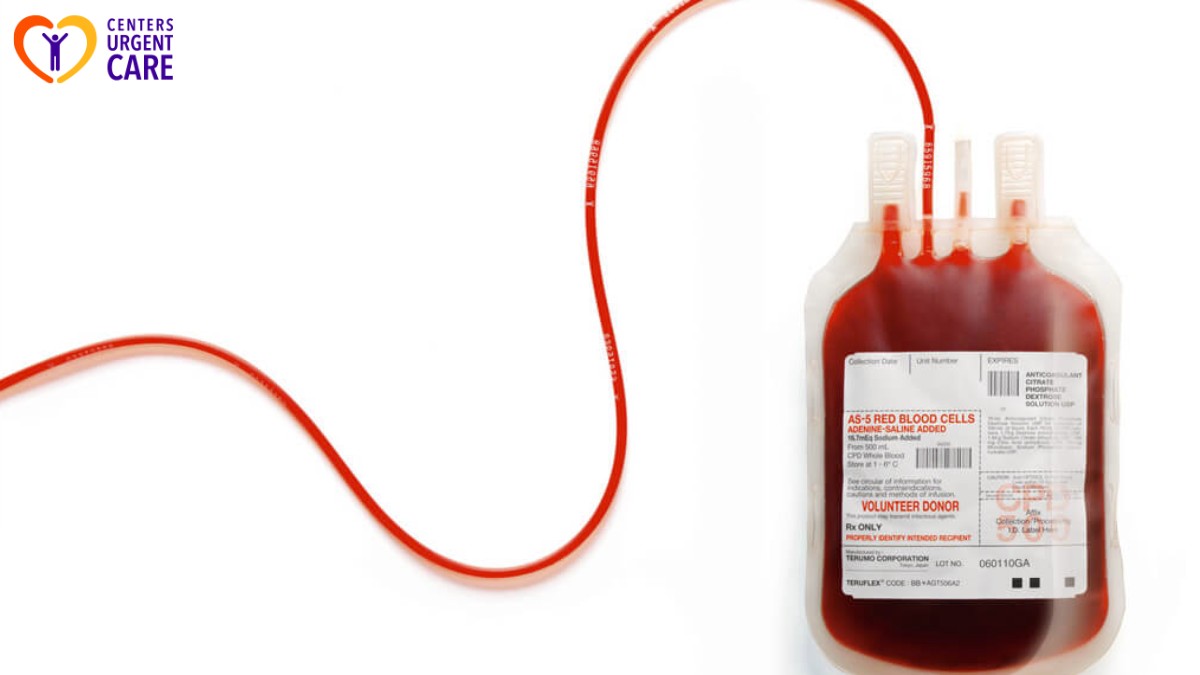
Proper blood storage keeps components viable and safe for transfusion. Different blood products require specific storage environments.
Storage Guidelines:
- Red Blood Cells – Refrigerated at 1–6°C, usable up to 42 days
- Platelets – Stored at room temperature (20–24°C) with continuous agitation, usable for 5–7 days
- Plasma – Frozen at –18°C or colder, usable up to one year
Inventory is managed through barcoded tracking systems, which log donation date, expiration, and component type. Blood is often rotated using a first-in, first-out (FIFO) protocol to prevent wastage.
When and How is Blood Issued for Transfusion?
Hospitals request blood based on patient needs. Requests are validated by the hospital’s blood bank personnel before releasing the correct type and volume. A final bedside compatibility test, also called an immediate spin crossmatch, may be done before transfusion to ensure safety.
Key Considerations Before Issuance:
- Verify the patient’s identity
- Double-check the label against records
- Confirm the blood type and unit number
- Inspect the blood for any signs of contamination
These final steps are part of stringent transfusion protocols and legal documentation processes that prioritize patient safety.
How Do Blood Banks Ensure Regulatory Compliance and Safety?
Blood banks operate under tight regulatory frameworks to protect donors and recipients alike. Regular audits, staff training, equipment maintenance, and documentation are crucial parts of blood bank operations.
Ongoing Safety Measures:
- Regular quality control checks
- Staff credentialing and retraining
- Equipment calibration logs
- Incident reporting and review processes
- Cold chain monitoring from collection to transfusion
Failure to comply can result in penalties or suspension of operation, underscoring the seriousness of blood banking compliance.
Blood bank procedures are not a single event, but a chain of critical steps: screening, collecting, testing, processing, crossmatching, storing, and finally, transfusing. Each phase is monitored closely to ensure traceability and safety. These protocols save countless lives in ERs, surgical wards, and oncology clinics every day. Just like how each step in blood handling reveals crucial information about a patient’s condition, imaging techniques also play a vital role in diagnostics—explore how they work in our article, “Contrast X-Rays for GI Imaging – How They Spot the Problem.”
Need Trusted Medical Help Fast?
Whether you’re recovering from surgery, experiencing complications related to transfusion, or simply need reliable care, Centers Urgent Care provides fast, high-quality urgent care services for children and adults. We’re equipped to support patients who require post-transfusion monitoring or general health support.
Visit one of our convenient locations for urgent care in NYC today. Contact us now to get the care you need, right when you need it.