

Undergoing a blood test requires some preparation, especially when it comes to dietary choices. Different types of blood tests can be affected by what you eat, so knowing which foods to avoid can help you achieve more accurate results. Below, we’ll dive into why some foods should be skipped and outline specific foods that might interfere with different types of tests.
Why Food Matters for Blood Test Results
Eating prior to a blood test can impact results because nutrients, fats, and sugars enter the bloodstream, which can influence certain measurements. In cases where fasting is required, consuming food before the test may skew results, leading to an inaccurate assessment of cholesterol, blood sugar, and other markers. Even tests that don’t require fasting can be affected by certain foods that may alter chemical balances or affect the immune response, impacting the overall accuracy.
Common Blood Tests Requiring Fasting
Fasting is often required for specific blood tests, including:
- Lipid panel: Measures cholesterol and triglycerides
- Glucose test: Measures blood sugar levels
- Basic metabolic panel: Checks various minerals and substances in the blood
- Vitamin and mineral tests: Some may be affected by recent food intake
Each of these tests can be influenced by certain foods, so it’s best to follow instructions about fasting if they are provided. Below is a guide on foods to avoid before your test to help ensure accurate results.
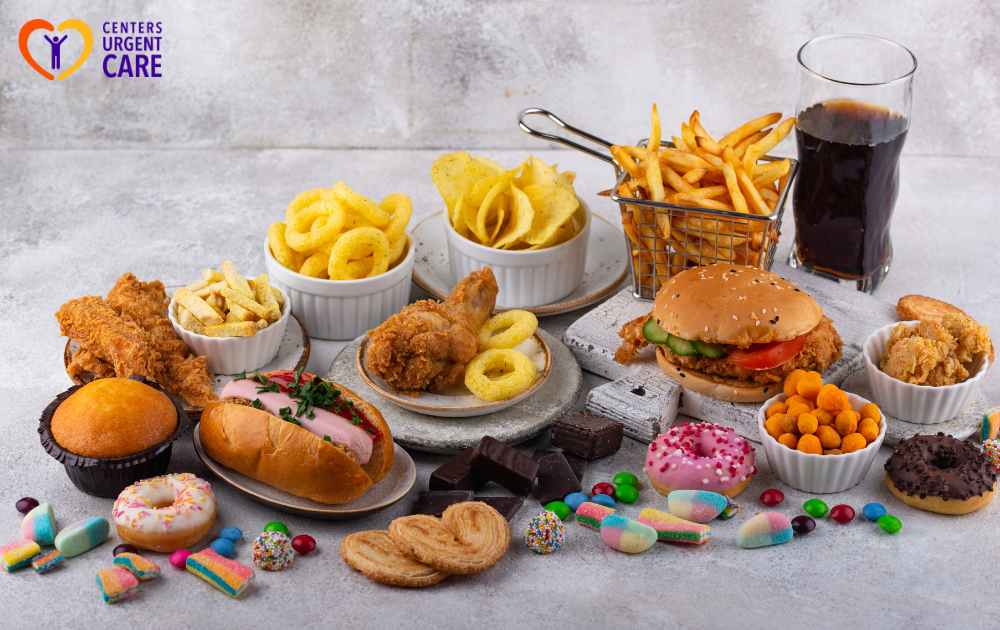
High-Fat Foods
High-fat foods can cause a temporary spike in triglycerides, which may affect lipid panel tests. Consuming fatty foods before the test may lead to artificially high readings of cholesterol and triglycerides, making it look like there are imbalances where there may be none. Avoid these types of foods for at least 12 hours before the test:
- Fried foods
- Creamy sauces and gravies
- Fatty meats, like bacon and sausage
- Fast food and heavily processed foods
Sugary Foods and Drinks
Blood sugar tests require you to fast because consuming sugar directly impacts glucose levels in the blood. Avoid sugary foods and beverages, as well as other high-glycemic index foods, before a blood test that involves checking glucose or insulin levels:
- Candy, chocolates, and sweets
- Fruit juices and soft drinks
- High-carb snacks like pastries and white bread
- Sugary cereals
Dairy Products
Dairy products contain both fat and natural sugars, which can affect certain blood test readings. For individuals undergoing a lipid panel or glucose test, it’s best to avoid dairy products before the test. Avoid:
- Milk, cream, and coffee creamer
- Cheese
- Yogurt
- Butter and cream-based spreads

Caffeine and Stimulants
While caffeine may not directly impact every test, it can increase stress levels, impacting cortisol levels and potentially other hormonal readings. It’s recommended to avoid caffeine for at least 12 hours before the test, particularly if hormone levels are being checked. Avoid:
- Coffee, both regular and decaf
- Black and green tea
- Caffeinated soft drinks and energy drinks
Alcohol
Alcohol can interfere with various blood tests, particularly those that measure liver enzymes, blood sugar levels, and dehydration status. Since alcohol dehydrates the body and adds toxins for the liver to process, it’s wise to avoid alcohol for at least 24 hours before any blood test. Avoid:
- Beer, wine, and spirits
- Cocktails and mixed drinks
- Cooking with wine or other alcoholic ingredients
Foods High in Iron
If you’re undergoing an iron panel, eating iron-rich foods before the test could falsely elevate your levels, impacting your diagnosis. Foods high in iron should be avoided 24 hours before an iron test to prevent inaccurate results. Avoid:
- Red meat (such as beef and lamb)
- Dark leafy greens (like spinach and kale)
- Fortified cereals and breads
- Beans and legumes

Vitamin C-Rich Foods
Vitamin C can affect the absorption of iron, which may interfere with iron panels and certain metabolic tests. Additionally, vitamin C may impact glucose readings by interfering with testing chemicals. Avoid high vitamin C foods before tests that may be affected, including:
- Citrus fruits (oranges, lemons, grapefruits)
- Strawberries and kiwi
- Bell peppers and tomatoes
- Supplemented vitamin C tablets
Leafy Greens and High-Vitamin K Foods
For blood clotting tests, especially if you’re on blood-thinning medications, it’s crucial to limit vitamin K intake beforehand. Vitamin K plays a major role in blood clotting, so eating foods high in this vitamin may interfere with test results. Avoid:
- Kale, spinach, and other leafy greens
- Brussels sprouts and broccoli
- Green peas
- Liver
Spicy and Acidic Foods
Spicy and acidic foods don’t directly impact blood tests, but they can cause discomfort, especially if you’re required to fast before the test. Fasting on an empty stomach can lead to acid reflux or heartburn when spicy or acidic foods are present. Consider avoiding:
- Spicy sauces and peppers
- Vinegar-based foods
- Citrus juices
- Tomato products, like sauces and ketchup

Foods High in Fiber
Fiber slows down digestion and can interfere with glucose and cholesterol readings by affecting how the body absorbs sugar and fats. For accurate results, avoid high-fiber foods 12 to 24 hours before a test that checks glucose or lipid levels. Avoid:
- Whole grains (such as oatmeal and whole-grain bread)
- Beans, lentils, and legumes
- High-fiber fruits like apples and pears
- Nuts and seeds
Processed and Packaged Foods
Processed foods often contain hidden sugars, fats, and preservatives that can impact various blood test results. These foods may also contain sodium and artificial additives that influence blood pressure and cholesterol readings. Before a blood test, particularly one focused on metabolic or heart health, avoid:
- Packaged snacks like chips and crackers
- Instant meals and fast food items
- Frozen dinners and canned soups
- Store-bought baked goods
Special Considerations for Specific Tests
Certain blood tests may require additional considerations to ensure accurate readings:
- Thyroid Function Tests:
Thyroid function can be sensitive to foods and supplements. For example, iodine-rich foods and medications containing biotin can alter thyroid test results. Avoid iodine-rich foods, like seafood and kelp, and avoid taking biotin supplements for 24 hours before a thyroid test. - Cortisol and Hormone Tests:
Cortisol and other hormone tests are sensitive to stress and may require you to avoid caffeine, vigorous exercise, and high-stress environments before the test. For accurate hormone readings, follow these recommendations:- Avoid coffee, energy drinks, and caffeinated teas
- Minimize physical activity before the test
- Practice relaxation techniques to reduce stress
- Allergy and Inflammatory Marker Tests:
For allergy and inflammation tests, such as C-reactive protein (CRP) tests, avoid inflammatory foods and potential allergens. High-sugar and high-fat foods, as well as common allergens, could skew results. If you have known allergies or foods that may trigger inflammation, avoid them before the test. Avoid:- Sugar and refined carbohydrates
- Processed and fried foods
- Known allergens like dairy, nuts, or gluten (depending on individual sensitivities)

How Long to Avoid Certain Foods Before a Blood Test
The timing of food avoidance before a blood test can vary. Here’s a general guideline:
- 12-24 hours: For high-fat, high-sugar, caffeine, and alcohol, a 12- to 24-hour avoidance is typically sufficient.
- 24 hours: For foods high in iron, vitamin C, and certain allergens, it’s best to avoid them a full day before your test.
- 48 hours or more: Some tests, especially those sensitive to dietary influences (such as cortisol or allergy tests), may benefit from two days of dietary preparation.
What to Do If You Accidentally Eat Before a Blood Test
If you accidentally consume food before a blood test that requires fasting, inform your healthcare provider or lab technician. Depending on the test, you may need to reschedule or allow for longer fasting. For tests that don’t require fasting, it’s still a good idea to avoid certain foods if instructed, but accidental intake is usually less critical.
Final Thoughts on Preparing for a Blood Test
Preparing for a blood test by watching your diet helps ensure accurate, reliable results. Different foods can have various effects on your blood chemistry, and it’s essential to follow any instructions provided by your healthcare provider or testing center. By avoiding certain foods, you can ensure your test results provide a clearer picture of your health. If you have any questions, consult with your healthcare provider for specific guidance tailored to the type of blood test you’re having.

Prepare for Your Blood Test with the Right Foods
Before undergoing a blood test, it’s important to avoid certain foods and drinks that could interfere with your results. High-fat meals, sugary drinks, and alcohol can distort your blood sugar levels and other vital measurements. For the most accurate results, we recommend following the guidelines provided by your healthcare provider and making sure you’re properly prepared. If you need any assistance with this, Centers Urgent Care is here to help. We offer reliable services, including convenient 24 hour urgent care in New York, to ensure you receive the care you need, no matter the time of day. Contact us today to learn more about how we can support your health needs.
This blog provides clear and helpful advice on which foods to avoid before a blood test, ensuring accurate results. A great resource for anyone preparing for an upcoming medical check-up!
I have 320 in cholesterol, but now it’s 630. Can be because I eat a cheese cream bread piece 7 hrs before the test?
2025 changed my life. I never believed I would be cured by a spell caster who specializes in herbal cure and magical spells. I am talking about the help Doctor Odunga gave to me. I have been cured of herpes HPV which has plagued me for over 2 years. I am very happy to tell others that if you want to be cured or get your ex back spells and get pregnant naturally, even financial blessing through lottery, there is only one place to be and that is with Dr Odunga Spell Temple. Am so happy that just 3 days after taking DR ODUNGA Herbal treatments my herpes was cured permanently. DR ODUNGA also have cure to #HIV #Diabetes #Lupus #Tinnitus #Fibroid #Cancer #Hepatitis B, #Syphilis #Infertility etc … If you have this ailment or whatsoever you might be suffering from you should contact him at his EMAIL: odungaspelltemple@gmail.com OR VIA Whats App +2348167159012
Snake Oil Salesperson. What a crock of wrong and untruthful info. You do realize ppl will die if they actually believe you.
A revealing and excellent article based on science. However I would urge people reading the above comment, which I have reported to this site, to wholly ignore the proposal to cast spells in order to cure serious illnesses or to harm ex partners. It’s clearly a scam to defraud sick people, which is disgraceful. Hopefully this will be removed soon.
I feel like when a Dr. wants to repeat a blood test (unless there is an urgent reason) diet and lifestyle adjustments should first be explored, then repeat the test. I had eaten a lot of sugar, red meat and was under the stress of awaiting a CT scan for a possible kidney stone. To say the least my cholesterol level was a bit elevated. I have been taking Atorvastatin for years. I fasted for 8 hrs., drank lots of water and my veins absolutely would not cooperate, and I was so hungry I nearly passed out. I am 5’2″ and weigh 130 lbs at 64 yrs. of age. I have no other complications just controlled high blood pressure and high cholesterol(inherited). I walked out and told them I would adjust my diet, have my CT and get back with them if I felt like it was necessary!
I just asked my husband if he’s ever had any issues when they draw blood? Nope. I on the other hand has never been easy. I have found that it really depends on the phlebotomist. They have to send in the expert who specializes in small or hard to draw phlebotomist. I was stuck 2x yesterday and she wasn’t able to get enough. I was at a clinic and they only have one there.
Diet is EVERYTHING!!! A lot of things that people say are hereditary is not because of your genes, it is because of diet. You ate what your parents cooked..they ate what their parents cooked so that is how most diseases are passed down. If you change your diet and teac your children how to eat healthy then they will not inherit your bad food habits which in turn will have better health. I’m living proof!!Parents both had high blood pressure/ chlolesterol / diabetes. I have none of those things!! I started out bordeline because of my diet but got with my doctor ( thank god she listens and NOT just wanted to stuff a pill down my throat). She knew I was willing to DO THE WORK!!! Healthier now in my 50’s than I was in my 20’s
Absolutely agree, we also have to contend with peri/menopause which can increase high cholesterol/blood sugar etc. I was diagnosed pre-diabetic but I knew which foods I shouldn’t be eating. Changed diet just a bit and suddenly I was well below high levels. No tablets for me thank you! Doctors are generally not trained in nutrition thoroughly which is crazy as what we eat affects everything.
I have a severe cough that I seem to get every year. (,actually it is a chest/head cold) Inorder to get any sleep I must take NyQuil, and prompt my head up like I’m in a recliner, hoping I haven’t disturbed our entire neighborhood! Question for you; will NyQuil affect my lab tests, to the point of it being wasted time and energy? Place help,
What foods to avoid the day before blood work?
What is my website ??