






















If there’s one thing most of us have learned in the past few years it’s that handwashing and hand hygiene is important to staying healthy and avoiding certain illnesses and viruses. This is why it is important to understand handwashing hygiene tips to get the most out of washing your hands. Here’s everything you need to know about proper handwashing techniques.
How to Properly Wash Your Hands
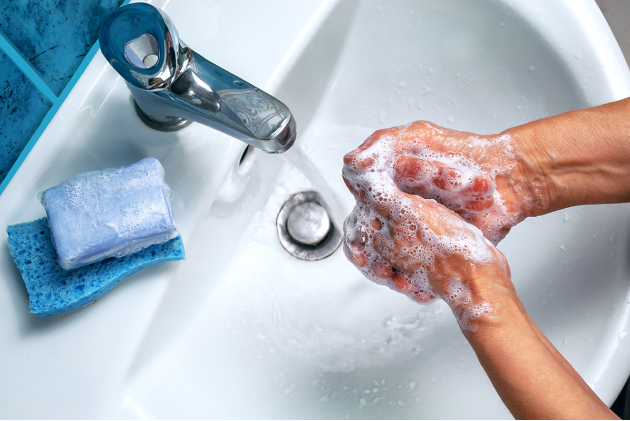
While most people don’t think twice about their handwashing technique, there is a “proper” way to wash your hands and a wrong way. If you don’t wash your hands correctly, then the process isn’t really serving its purpose. Here are five steps you should be following every time you wash your hands.
1. Wet your hands with clean, running water (warm or cold), turn off the tap, and apply a generous amount of soap between your palms.
2. Lather your hands by rubbing them together with the soap. Lather the backs of your hands, between your fingers, and under your nails. More friction will create more of a soapy lather.
3. Scrub your hands for at least 20 seconds. Need a timer? Hum the “Happy Birthday” song from beginning to end two times in a row. You can also pick the chorus from other favorite songs as a timer.
4. Rinse your hands well under clean, running water, making sure to remove all of the soap to avoid stickiness or leftover residue.
5. Dry your hands using a clean towel, air dryer, or paper towel. Make sure you don’t use a dirty towel when drying off your hands.
There is nothing that can replace the effectiveness of washing your hands with soap and water. However, hand sanitizers are another way to make sure that you are getting rid of unwanted bacteria and viruses that may be living on your skin, and can be especially helpful if you are trying to keep your hands clean while you are on the go.
Hand Sanitizer Do’s and Dont’s
Alcohol based hand sanitizers are a great alternative when you can’t use soap and water. You should apply hand sanitizer after putting your hands on common touchpoints such as doorknobs. You should also use these immediately before and after touching or coming in contact with a sick loved one. You just need to know how to apply this product properly.
How to Use Hand Sanitizer
There are many types of hand sanitizer products on the market right now. You can also use pure alcohol if you need a hand-sanitizing product. Here’s how to use hand sanitizers properly.
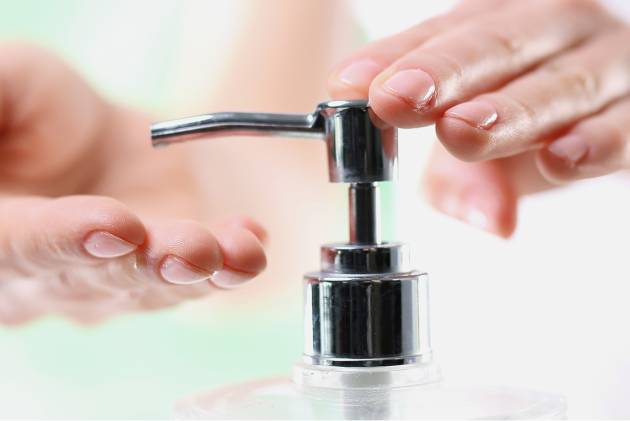
1. Apply the gel or liquid product to the palm of one of your hands. Make certain you are reading the label and applying the correct among.
2. Rub your hands together to dispense the product evenly on your hands.
3. Rub the gel over all the surfaces of your hands and fingers until your hands are dry. This should take around 20 seconds or the same amount of time you are supposed to spend washing your hands.
Remember, hand sanitizer should never replace washing your hands. They are just meant to supplement your hand washing or to use in a pinch. Hand sanitizers may not remove harmful chemicals like pesticides and heavy metals such as lead.

Wash Your Hands Often
Knowing how to wash your hands is only half the battle, you need to make sure that you are washing your hands enough as well. The average person actually doesn’t wash their hands as much as they should be throughout the day. In case you may not be washing your hands enough, here are some reminders.
Remember to wash your hands if:
- You work in a public space.
- You are about to eat.
- You are preparing food.
- You are caring for someone who is sick.
- After you use the restroom.
- After you handle animals, animal waste, or animal food.
- Any time your hands feel sticky.
- Whenever your hands appear visibly dirty.
- After you touch garbage.
These are all types of situations where you need to make sure that you are taking the time to stop and wash your hands.
Know the Facts
If you need a little extra inspiration on washing your hands, here are a few facts from the CDC that you should remember.
- The estimated global rate of handwashing after using the toilet is only 19%. You should always wash your hands after you use the restroom. Even if it’s in your own restroom. However, a majority of people aren’t washing their hands after they use the toilet and this could be spreading germs and bacteria.
- Handwashing could prevent about 30% of diarrhea-related sicknesses and nearly 20% of respiratory infections. There is no easier way to make sure that you are getting rid of germs that could be making you sick. This is particularly important during periods of time such as the winter when illnesses like this are even more common.
- Handwashing with soap could protect about 1 out of every 3 young children who get sick with diarrhea. Most parents know that kids get sick, a lot. But did you know that handwashing with soap could protect a lot of illnesses, particularly diarrhea-related sicknesses?
- Handwashing with soap could protect almost 1 out of 5 young children with respiratory infections like pneumonia. If there is one thing that we have learned from the COVID-19 pandemic, it’s that respiratory infections can be very serious, and studies from the CDC have found that handwashing can be of major help in keeping young children safe.
The CDC has long had a firm stance on the importance of handwashing and making sure that everyone washes their hands for the appropriate amount of time. Take these tips and insights into account, and if you are ever in doubt, remember it is always better to air on the side of caution and do a little extra handwashing.
Hand Hygiene for Kids
Teaching children about hand hygiene is an essential life lesson. It is the first line of defense against the spread of many illnesses, from the common cold to more serious infections like meningitis.
To teach kids handwashing, you can make it a fun and engaging activity. Hands should be washed with soap for at least 20-30 seconds. An easy way to time this is by singing the full “Happy Birthday” song, twice. The basic steps include getting your hands wet in clean water, then applying soap and rubbing your hands together long enough to sing “Happy Birthday”.
Cleaning your hands – either with soap and water or by using hand sanitizer – may seem like a small action, but it’s one that can have a significant impact on health. Good hand hygiene means either washing hands with soap and water or killing germs on the hands with at least 60% alcohol-based hand sanitizer or rub.

The correct steps for washing hands include wetting your hands with clean, running water (warm or cold), turning off the tap, and applying soap. Lather your hands by rubbing them together with the soap and scrub thoroughly. Then use a clean towel to dry your hands.
Handwashing is indeed a powerful antidote to illness. All you need to do is wet your child’s hands, apply clean bar soap or liquid soap to the hands, and then place the bar on a rack where it can drain before the next use.
Remember, teaching kids about proper hand hygiene not only keeps them healthy but also helps prevent the spread of infectious diseases to others.
Conclusion
People get sick. Unfortunately, it happens. And while you can’t always protect yourself or others from getting sick, washing your hands is a great way to lessen your likelihood of picking up certain viruses or spreading germs. Keep these tips and tricks about handwashing in mind to ensure you always stay your healthiest.
Centers Urgent care is here for all your medical needs in New York. Our experienced providers are ready to help. Find a location closest to you here.
2025 has changed my life. I never believed I would be cured by a spell caster who specializes in herbal cure and magical spells. I am talking about the help Doctor Odunga gave to me. I have been cured of herpes HPV which has plagued me for over 2 years. I am very happy to tell others that if you want to be cured or get your ex back spells and get pregnant naturally, even financial blessing through lottery, there is only one place to be and that is with Dr Odunga Spell Temple. Am so happy that just 3 days after taking DR ODUNGA Herbal treatments my herpes was cured permanently. DR ODUNGA also have cure to #HIV #Diabetes #Lupus #Tinnitus #Fibroid #Cancer #Hepatitis B, #Syphilis #Infertility etc … If you have this ailment or whatsoever you might be suffering from you should contact him at his EMAIL: odungaspelltemple@gmail.com OR VIA Whats App +2348167159012