

In the U.S., both viruses continue to be significant public health concerns. Understanding hepatitis B and C as STDs is critical because sexual transmission is one of the major ways these infections spread. That’s why regular STD testing plays such an essential role in early detection and prevention.
What are Hepatitis B and C as STDs?
Hepatitis B and C are sexually transmitted diseases (STDs) that can also spread through blood-to-blood contact, especially during unprotected sex or needle sharing. Both can cause acute or chronic infections that damage the liver over time, leading to cirrhosis or liver cancer if untreated.
How are Hepatitis B and C Transmitted Sexually?
Hepatitis B and C viruses spread when infected bodily fluids—primarily blood, semen, or vaginal fluids—enter another person’s bloodstream. The risk of sexual transmission varies between the two viruses.
- Hepatitis B is highly infectious and can easily spread through unprotected vaginal, anal, or oral sex.
- Hepatitis C spreads less efficiently via sex, but the risk increases with anal sex, sex during menstruation, or in the presence of genital sores or other STDs.
Other risk factors that raise the likelihood of transmission include:
- Having multiple sexual partners
- Engaging in sex under the influence of drugs or alcohol
- Sharing sex toys without cleaning them properly
- Having a partner with HIV or another STD
Unlike hepatitis B, no vaccine exists for hepatitis C, making prevention through safer sex practices essential.
What are the Symptoms of Hepatitis B and C?
Many people with hepatitis B and C as STDs don’t realize they’re infected because symptoms may not appear until liver damage has occurred. When symptoms do show, they can include:
- Fatigue
- Nausea
- Loss of appetite
- Jaundice (yellowing of skin or eyes)
- Dark urine
- Abdominal pain, especially in the upper right area
These signs might be mistaken for flu or other mild illnesses. That’s why regular testing is vital if you’ve had any risk factors.
Can Hepatitis B and C Be Prevented?
Yes—especially hepatitis B. Here’s how:
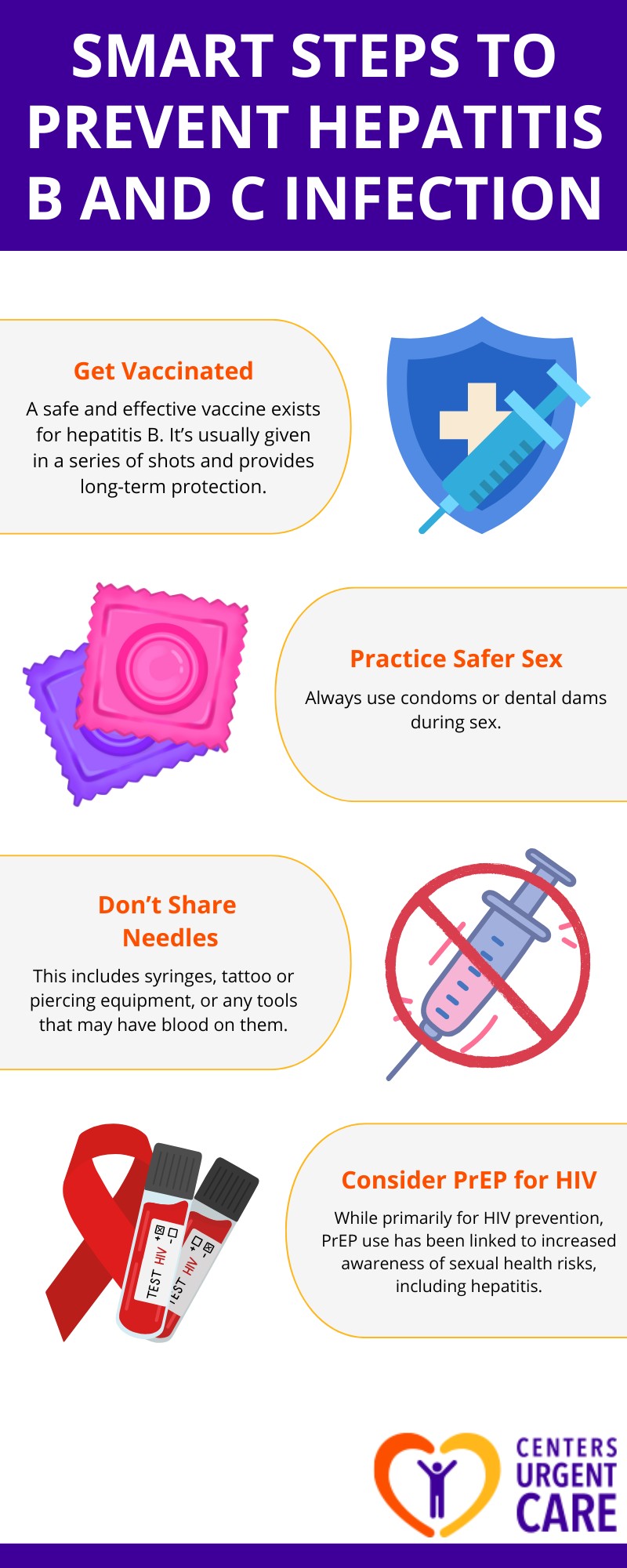
For hepatitis C, prevention focuses on avoiding blood exposure because there’s no vaccine available.
Who Should Get Tested For Hepatitis B and C?
If you’re sexually active, certain behaviors and situations mean you should talk to a healthcare provider about getting tested:
- You’ve had unprotected sex with multiple partners.
- Your partner has hepatitis B or C.
- You’re a man who has sex with men.
- You’ve ever injected drugs or shared needles.
- You were born in regions where hepatitis B or C is common (e.g., parts of Asia, Africa, or Eastern Europe).
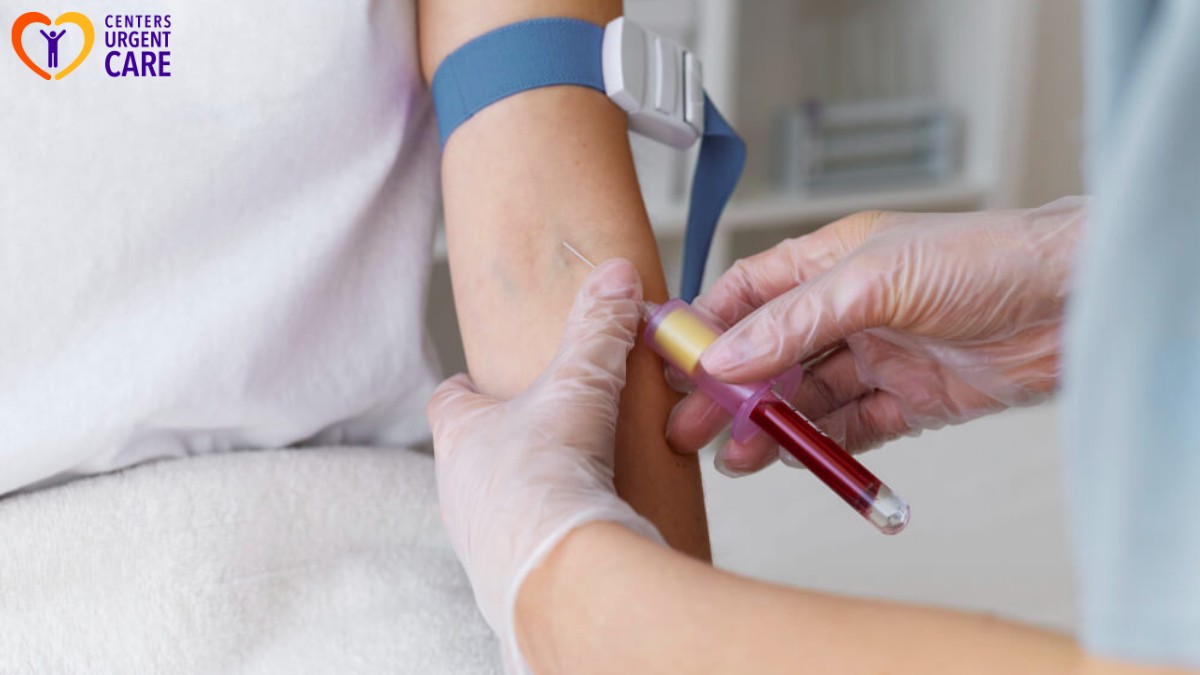
Testing typically involves a simple blood test that can detect both current and past infections.
How are Hepatitis B and C Treated?
If you test positive for hepatitis B and C as STDs, early medical care makes a big difference:
- Hepatitis B: Treatment depends on whether the infection is acute or chronic. Some people clear acute infections without medicine. Chronic cases may require antiviral medications that slow disease progression.
- Hepatitis C: Direct-acting antivirals (DAAs) can cure most cases within 8 to 12 weeks.
Monitoring and regular checkups are key to preventing complications like liver scarring or cancer.
How Can You Protect Your Partner If You Have Hepatitis B or C?
If you’ve been diagnosed with hepatitis B or C as an STD, protecting your partner is critical. Here’s what to do:
- Inform your partner so they can take precautions.
- Use condoms or dental dams every time you have sex.
- Encourage hepatitis B vaccination for your partner.
- Avoid sharing razors, toothbrushes, or other personal items that might have blood on them.
Open communication with your healthcare provider can help you develop a plan to reduce transmission risk.
Does Having Hepatitis B or C Affect Pregnancy?
Hepatitis B and C can be passed from mother to baby during childbirth. Pregnant individuals should get tested early in pregnancy.
- Hepatitis B: Babies born to mothers with hepatitis B can receive a vaccine and a protective shot (HBIG) at birth to prevent infection.
- Hepatitis C: No preventive treatment at birth exists, but infants can be tested later and treated if needed.
Managing hepatitis during pregnancy helps protect both parent and child.
When Should You Seek Medical Care?
Seek medical care right away if you suspect you’ve been exposed to hepatitis B or C, develop symptoms like jaundice, severe fatigue, or abdominal pain, or if your partner has tested positive. Early intervention reduces the chance of long-term liver damage and lowers the risk of spreading the infection to others.
Get Tested Today
Don’t wait to protect your health. Visit Centers Urgent Care, the best urgent care in NYC, for quick and compassionate testing and treatment for hepatitis B and C, as well as other STDs. Contact us today or stop by one of our convenient locations.