




















Getting tested for STDs can feel a bit daunting, but it’s an important step in taking charge of your health. Whether you’re being proactive or you’ve had a recent concern, understanding how STD testing works can help ease your mind. The process is straightforward and designed to be as comfortable as possible. From the moment you arrive at the clinic to receiving your results, you’ll find that testing is quick, confidential, and essential for keeping both you and your partners healthy.
Let’s break down what you can expect when it comes to STD testing!
Table of Contents
ToggleImportance of STD Testing
Regular STD testing is essential for protecting both personal health and the well-being of the community. By getting tested routinely, individuals can:

Common Misconceptions
Despite the importance of STD testing, several misconceptions persist that may deter individuals from seeking testing. It is crucial to address these misconceptions to promote informed decision-making and encourage proactive health practices. Some common misconceptions about STD testing include:
Misconception: STD testing is only for people with symptoms.
Reality: STDs can be asymptomatic, making regular testing essential for early detection.
Misconception: STD testing is embarrassing and stigmatizing.
Reality: STD testing is a routine health screening like any other and is conducted in a confidential and non-judgmental manner.
Misconception: STD testing is expensive.
Reality: Many healthcare providers offer low-cost or free STD testing services, and insurance may cover the cost of testing.
Misconception: STD testing is time-consuming.
Reality: Most STD tests are quick and straightforward, with results available within a few days.
Misconception: Home testing kits are as reliable as clinic-based tests.
Reality: Clinic-based STD tests conducted by healthcare professionals are generally more accurate and reliable than home testing kits.
Dispelling misconceptions about STD testing and emphasizing its importance empowers individuals to take proactive steps in safeguarding their sexual health and well-being. Regular testing, along with open communication with healthcare providers, is crucial for promoting overall health and preventing the spread of STDs within the community.
Types of STD Tests
In the realm of STD testing, various methods are utilized to detect the presence of sexually transmitted infections. The common types of STD tests include urine tests, blood tests, and swab tests.

Blood Tests
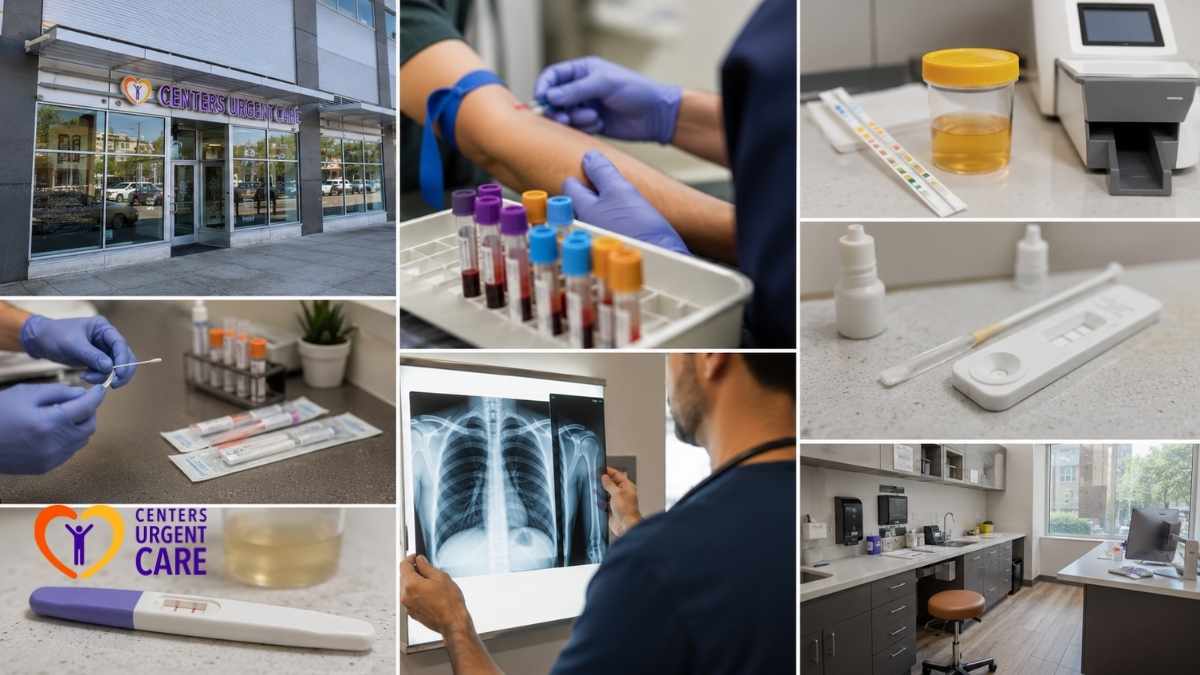
Blood tests for STDs involve collecting a blood sample from the individual, which is then analyzed to detect the presence of specific antibodies or antigens that indicate the infection. These tests are effective in identifying a wide range of sexually transmitted infections, including HIV, syphilis, and hepatitis.
STD | Blood Test Accuracy |
HIV | 95-99% |
Syphilis | 85-100% |
Hepatitis B | 85-95% |
Urine Tests
Urine tests are commonly used for STD screening as they are non-invasive and convenient. Individuals provide a urine sample, which is then examined for the presence of bacteria, viruses, or other markers of infection. Urine tests are particularly effective for detecting infections like chlamydia and gonorrhea.
STD | Urine Test Accuracy |
Chlamydia | 90-95% |
Gonorrhea | 90-95% |
Trichomoniasis | 70-95% |

Swab Tests
Swab tests involve the collection of samples from the genital area, throat, or rectum using a cotton swab. These samples are then analyzed to identify the presence of pathogens that cause STDs. Swab tests are commonly used for diagnosing infections like herpes, chlamydia, and gonorrhea.
STD | Swab Test Location |
Herpes | Genital/Oral Swab |
Chlamydia | Genital/Throat/Rectal Swab |
Gonorrhea | Genital/Throat/Rectal Swab |
Understanding the different types of STD tests and their respective accuracies is key to ensuring timely detection and treatment of sexually transmitted infections. Each testing method serves a specific purpose in the comprehensive screening process, ultimately contributing to the maintenance of individual and public health.
How Does STD Testing Work?
STD testing involves visiting a healthcare provider, who will collect samples (like blood or urine). These samples are then sent to a lab for analysis. Results typically take a few days, and healthcare professionals will discuss the next steps.
To grasp how STD testing works, it’s important to focus on two key components: sample collection and laboratory analysis. These steps are vital for accurately and reliably determining whether sexually transmitted infections are present. Understanding this process can help ease any concerns and empower you to take control of your health.
Sample Collection
Sample collection is the initial step in the STD testing process and involves obtaining a specimen from the individual for analysis. Depending on the type of sexually transmitted infection being tested for, different samples may be required. The most common types of samples collected during STD testing include blood, urine, and swab samples.
- Blood Tests: A small blood sample is drawn from a vein in the arm.
- Urine Tests: A urine sample is collected in a sterile container for analysis.
- Swab Tests: A swab is used to collect samples from areas like the genitals, mouth, or throat.
It is important to follow the specific instructions provided by healthcare professionals for sample collection to ensure the accuracy of the results. Proper collection and handling of samples are critical to avoiding any contamination or errors in the testing process.

Laboratory Analysis
Once the samples have been collected, they are sent to a laboratory for analysis. In the laboratory, trained technicians or medical professionals conduct various tests to detect the presence of sexually transmitted infections in the samples. The type of analysis performed depends on the specific STD being tested for and the type of sample collected.
Laboratory analysis may involve techniques such as molecular testing, culture testing, or antigen/antibody tests, depending on the nature of the infection. These tests are designed to identify the genetic material, bacteria, viruses, or antibodies associated with different sexually transmitted infections accurately.
- Blood Tests: Enzyme-linked immunosorbent assay (ELISA) or Polymerase chain reaction (PCR)
- Urine Tests: Nucleic acid amplification tests (NAATs) or Enzyme immunoassays (EIAs)
- Swab Tests: Culture tests or Direct fluorescent antibody (DFA) tests
The results of the laboratory analysis provide valuable information about the presence or absence of sexually transmitted infections, helping healthcare providers make informed decisions about treatment and follow-up care. Confidentiality and privacy are maintained throughout the testing and analysis process to ensure the security of personal health information.
Accuracy and Reliability
In the realm of STD testing, the accuracy and reliability of the tests play a crucial role in providing individuals with the information they need to make informed decisions about their health. Understanding the factors that influence test accuracy and how to interpret test results is essential for properly assessing one’s health status.
Factors Affecting Test Accuracy
Several factors can impact the accuracy of STD tests, including the type of test used, the timing of the test in relation to potential exposure, and the quality of the testing facility. The following table outlines some key factors affecting the accuracy of STD tests:
- Type of Test: Different STD tests have varying levels of sensitivity and specificity, influencing their accuracy in detecting infections.
- Timing of Test: The timing of the test in relation to potential exposure to an STD can affect the accuracy of the results. It’s important to follow recommended testing guidelines for each specific STD.
- Testing Facility: The quality of the testing facility, including the proficiency of lab technicians and the reliability of equipment, can impact the accuracy of STD test results. Choosing a reputable testing center is crucial for accurate testing.
Considering these factors helps individuals understand the nuances of STD testing, enabling them to make informed decisions about their sexual health.
Interpretation of Results
Interpreting STD test results can be a complex process that requires a clear understanding of the test outcomes and their implications. Depending on the type of test performed, results may indicate the presence or absence of a specific STD, as well as the likelihood of false positives or false negatives.
When interpreting STD test results, it’s essential to consult with a healthcare provider or a trained professional who can explain the results in detail. Understanding the significance of positive, negative, or inconclusive results is vital for determining the appropriate next steps, whether it involves seeking treatment, additional testing, or preventive measures.
Moreover, interpreting STD test results also involves considering the individual’s sexual history, risk factors, and potential exposure to STDs. By taking a holistic approach to result interpretation, healthcare providers can offer personalized guidance and support to individuals undergoing STD testing.
Navigating the accuracy and interpretation of STD test results requires a collaborative effort between individuals seeking testing, healthcare providers, and testing facilities. By staying informed and proactive about STD testing, individuals can take control of their sexual health and well-being.

Confidentiality and Privacy
For STD testing, maintaining your confidentiality and privacy is crucial to ensure you feel safe and secure throughout the entire process. This section will explore the legal protections and disclosure regulations designed to safeguard your privacy during STD testing. Understanding these safeguards can help ease any worries you may have and empower you to take proactive steps for your health.
Legal Protections
Legal protections play a crucial role in safeguarding the privacy of individuals seeking STD testing. Confidentiality laws dictate that healthcare providers must keep all information regarding STD testing and results confidential. This means that your test results cannot be shared with anyone without your explicit consent.
These legal protections extend to both in-person testing at healthcare facilities and online testing services. Whether you visit a clinic or opt for at-home testing kits, your privacy rights are protected by laws that require healthcare providers to maintain strict confidentiality standards.
In addition to confidentiality laws, healthcare facilities and testing centers are required to follow guidelines set by regulatory bodies such as the Health Insurance Portability and Accountability Act (HIPAA) to ensure the security and privacy of patient information.
Disclosure Regulations
Disclosure regulations outline the circumstances under which healthcare providers are required to disclose STD test results to third parties. In most cases, healthcare providers must obtain consent from the individual before sharing any test results with others, including partners or family members.
However, there are exceptions to disclosure regulations in cases where reporting is mandatory by law. For example, healthcare providers may be required to report positive STD test results to public health authorities to track and prevent the spread of infections. These reports are typically anonymized to protect the privacy of the individuals involved.
It’s important for individuals undergoing STD testing to be aware of their rights regarding disclosure and to understand how their test results may be handled. By staying informed about legal protections and disclosure regulations, individuals can feel more confident and secure when seeking STD testing and treatment.
Confidentiality and privacy are essential components of the STD testing process, ensuring that individuals can access testing and treatment services without fear of judgment or breach of privacy. By upholding legal protections and adhering to disclosure regulations, healthcare providers help create a safe and supportive environment for individuals to address their sexual health needs.
Seeking Help and Treatment
After undergoing STD testing, taking appropriate steps is crucial to manage your health effectively. Understanding what to do after testing and being aware of the available support and counseling services can greatly aid in the process of seeking help and treatment.
What to Do After STD Testing
Once you have completed STD testing and received your results, it’s essential to take the following actions:

Support and Counseling Services
Dealing with the emotional and psychological aspects of STD testing can be challenging, which is why support and counseling services are crucial for overall well-being. These services offer guidance, emotional support, and information to help individuals navigate the complexities of STD testing and treatment.
- Hotlines: Toll-free telephone services providing confidential information, support, and referrals for STD testing, treatment, and counseling.
- Counseling Centers: Facilities offering in-person counseling sessions with trained professionals to address emotional and psychological concerns related to STD testing and diagnosis.
- Support Groups: Peer-led or professionally facilitated groups that provide a safe space for individuals to share experiences, seek advice, and receive emotional support from others facing similar challenges.
- Online Resources: Websites and online platforms offering educational materials, forums, and chat services to access information, connect with healthcare providers, and engage in virtual support networks.
Engaging with these support and counseling services can help individuals cope with the emotional impact of STD testing, receive guidance on treatment options, and access valuable resources to support their journey towards better health and well-being. It’s important to prioritize both physical and emotional health when seeking help and treatment after undergoing STD testing.
At Centers Urgent Care, we’re committed to supporting both your physical and emotional health, offering compassionate, high-quality care to ensure you feel informed and comfortable throughout the process. If you’re in need of professional and confidential STD testing in New York, reach out to us today to schedule an appointment and get the care you deserve!
2025 has changed my life. I never believed I would be cured by a spell caster who specializes in herbal cure and magical spells. I am talking about the help Doctor Odunga gave to me. I have been cured of herpes HPV which has plagued me for over 2 years. I am very happy to tell others that if you want to be cured or get your ex back spells and get pregnant naturally, even financial blessing through lottery, there is only one place to be and that is with Dr Odunga Spell Temple. Am so happy that just 3 days after taking DR ODUNGA Herbal treatments my herpes was cured permanently. DR ODUNGA also have cure to #HIV #Diabetes #Lupus #Tinnitus #Fibroid #Cancer #Hepatitis B, #Syphilis #Infertility etc … If you have this ailment or whatsoever you might be suffering from you should contact him at his EMAIL: odungaspelltemple@gmail.com OR VIA Whats App +2348167159012