
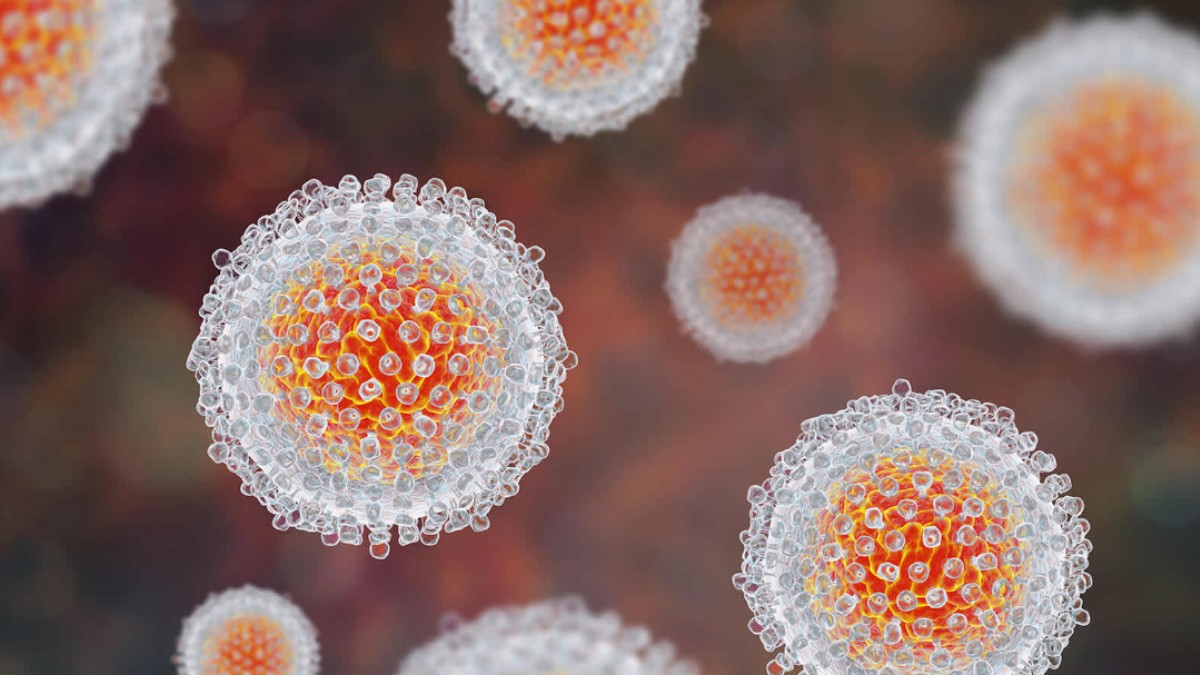
Sexually transmitted diseases (STDs) continue to be a major public health concern. According to the Centers for Disease Control and Prevention or CDC, there were more than 2.4 million reported cases of chlamydia, gonorrhea, and syphilis in the United States in 2023. These numbers highlight the importance of understanding how STDs spread from person to person, and why regular STD testing is crucial to protect yourself and others.
What are the Main Ways STDs are Transmitted?
STDs don’t spread through casual contact like hugging, sharing food, or using the same toilet. Instead, they require close contact where transmission of fluid or direct exposure occurs. Let’s break this down.
Sexual Contact
The most common way STDs spread from person to person is through sexual activity. This includes:
- Vaginal sex: A major route for chlamydia, gonorrhea, trichomoniasis, HIV, and others.
- Anal sex: Higher risk for certain infections like HIV due to the fragility of rectal tissue.
- Oral sex: Can transmit infections such as herpes, gonorrhea, syphilis, and HPV.
Even without ejaculation, infections can spread because pre-seminal fluid and vaginal secretions may contain infectious agents.
Skin-to-Skin Contact
Some STDs don’t need fluid exchange to spread.
- Genital herpes and HPV can pass through skin-to-skin contact with an infected area.
- This means condoms reduce risk but don’t offer 100% protection if lesions are outside the covered area.
Blood and Needle Sharing
Though less common, STDs can spread through blood:
- HIV and hepatitis B/C can transmit when sharing needles or syringes.
- Tattooing or piercing with unsterile equipment is another rare but possible risk.
Mother-to-Child Transmission
Certain infections can pass from mother to baby:
- Syphilis, HIV, and herpes may spread during pregnancy, labor, or breastfeeding.
- Untreated infections can cause severe complications for the newborn.
Can STDs Spread Without Penetration?
Yes. STDs can spread without penetration through skin contact, oral sex, or contact with infected fluids. Hand-to-genital contact, genital rubbing, and sharing sex toys can pose risks.
Examples include:
- Herpes during intimate skin contact.
- HPV through genital rubbing.
- Trichomoniasis via damp objects, though very rare.
Are Some People More at Risk of Getting STDs?
Certain factors increase the likelihood of infection. Understanding these can help reduce risk.
- Multiple partners: More partners = higher exposure.
- Inconsistent condom use: Reduces protection.
- Having another STD: Infections like herpes can make it easier for HIV to enter the body.
- Age: Young people (15-24 years) have the highest rates of many STDs.
- Substance use: Alcohol or drug use may impair judgment and lead to unsafe sex.
How Can You Protect Yourself From STDs?
Preventing STDs involves multiple steps. It’s not just about condoms, though they are crucial.
- Use condoms consistently and correctly. Latex or polyurethane condoms provide strong protection against many infections.
- Get regular STD testing. Early detection helps stop the spread and prevents complications.
- Communicate openly with partners. Know each other’s status.
- Limit the number of sexual partners. Fewer partners lower risk.
- Avoid sharing needles or personal items like razors.
Vaccines are available for some STDs, including hepatitis B and HPV.
Can You Get an STD the First Time You Have Sex?
Yes. STDs can spread from person to person even the first time someone has sex. There’s no minimum exposure threshold—if your partner has an infection, transmission can occur during any unprotected encounter.
What are the Symptoms of Common STDs?
Symptoms vary widely. Some people don’t experience any symptoms at all.
- Chlamydia: Often silent; may cause discharge or burning when urinating.
- Gonorrhea: Similar to chlamydia, sometimes with pelvic pain.
- Syphilis: Sores, rash, or flu-like symptoms.
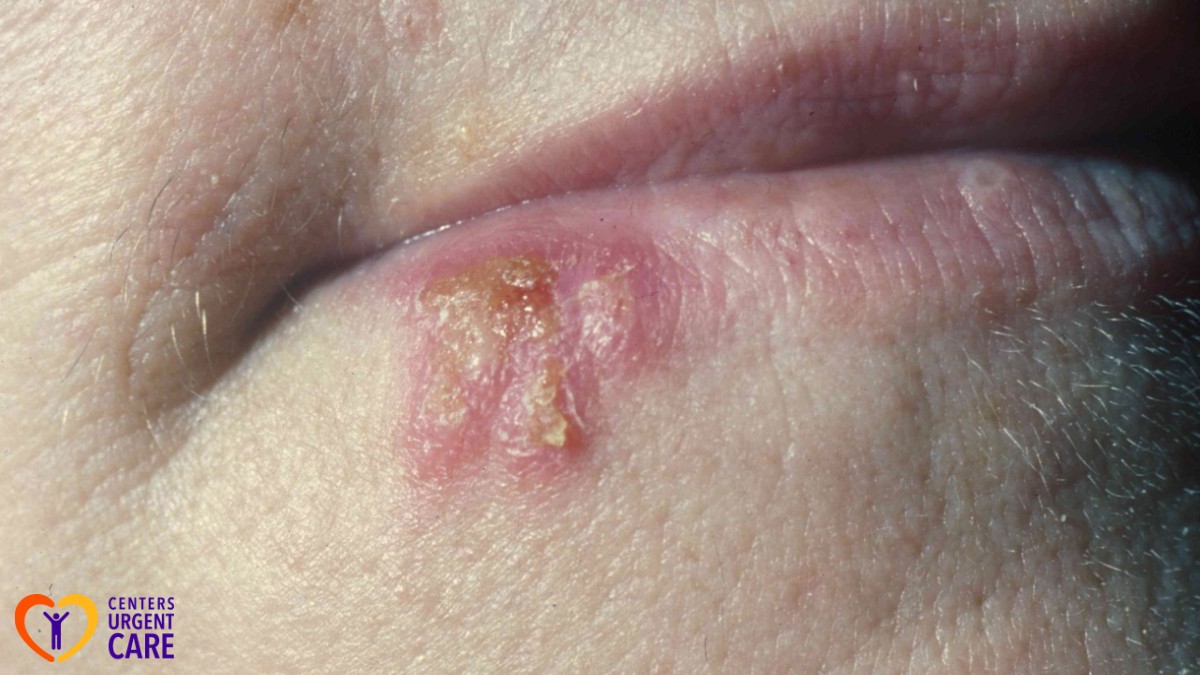
- Herpes: Painful blisters or ulcers.
- HPV: Genital warts, though many cases are symptomless.
- HIV: Flu-like illness initially, then silent for years.
This highlights the need for routine screening even when you feel healthy.
Can STDs Be Spread Through Kissing or Sharing Utensils?
Generally, no. STDs don’t spread through casual contact like kissing or sharing utensils. An exception is herpes (HSV-1), which can spread through kissing if sores are present.
Does Using a Condom Prevent All STDs?
Condoms provide excellent protection, but not 100%.
- Highly effective: Against chlamydia, gonorrhea, HIV, trichomoniasis.
- Partially protective: For skin-contact STDs like herpes and HPV if lesions are outside condom coverage.
Consistent, correct use is key to maximizing protection.
Other Important Facts About STD Transmission
Other important facts about STD transmission highlight how these infections can spread beyond what many people typically assume. While sexual contact is the most common route, STDs can also be passed through skin-to-skin contact, sharing needles, and from mother to baby during childbirth.

Need Help? Visit Our Urgent Care Center in NYC
At Centers Urgent Care, we offer fast, high-quality urgent care services for children and adults. Whether you need STD testing, treatment, or confidential advice, our team is ready to help. Our urgent care center in NYC provides compassionate care in a safe, welcoming environment. Contact us today for confidential and professional support.