

Wellness Tips from Josef Schenker, MD
Welcome to our Wellness Tips blog series, brought to you by Dr. Josef Schenker, the Medical Director at Centers Urgent Care. In this series, Dr. Schenker shares his extensive knowledge and experience in internal medicine and emergency medical services, including how to cure corneal abrasion, to help you lead a healthier life.
Dr. Schenker will cover a range of crucial health topics, offering expert advice on how to avoid common ailments. With a focus on prevention and practical tips, each blog post is designed to empower you with the information you need to make informed decisions about your health and well-being.

How to Cure Corneal Abrasion
Ever felt a scratch in your eye that makes even blinking painful? Corneal abrasions affect about 3 per 1,000 people each year in the U.S., with most cases resolving in under three days.
According to Dr. Josef Schenker, quick treatment eases discomfort and lowers the risk of infection. If you want clear steps and expert advice on healing fast and safely, let’s head to the next sections.
Dr. Josef Schenker Explains the Symptoms of Corneal Abrasion
Eye injuries show up often in urgent and emergency care, and corneal abrasions rank among the leading diagnoses. Population data on eye-related emergency visits list corneal abrasion as a top emergent finding, underscoring why quick recognition of symptoms helps you act fast.
Dr. Josef Schenker says that its symptoms usually start soon after the scratch and can feel sharp, gritty, and hard to ignore. Here are the common symptoms of a corneal abrasion:
- Sharp pain and a “something-in-the-eye” feeling. A scratch exposes dense corneal nerves, which makes even small abrasions feel intense. Blinking can worsen the pain because the lid rubs over the injured surface.
- Light sensitivity (photophobia). Bright light can feel harsh, and you may squint or avoid lighted rooms.
- Redness and tearing. The eye often turns red as surface vessels dilate, and tearing increases to flush the surface.
- Blurred or hazy vision. An uneven corneal surface scatters light, so focus may drop until the surface heals.
- Eyelid squeezing or trouble opening the eye. Many people develop blepharospasm (involuntary lid closure) because of pain and light sensitivity. Keeping the eye closed can hide how irritated the surface is. This reaction improves as the abrasion heals.
- Swollen eyelid or headache. The eyelid can puff up from irritation and rubbing.
Not everyone has every symptom. Children and contact lens wearers may present differently, and symptoms can overlap with other eye conditions, so a proper exam matters.
What Is a Corneal Abrasion?
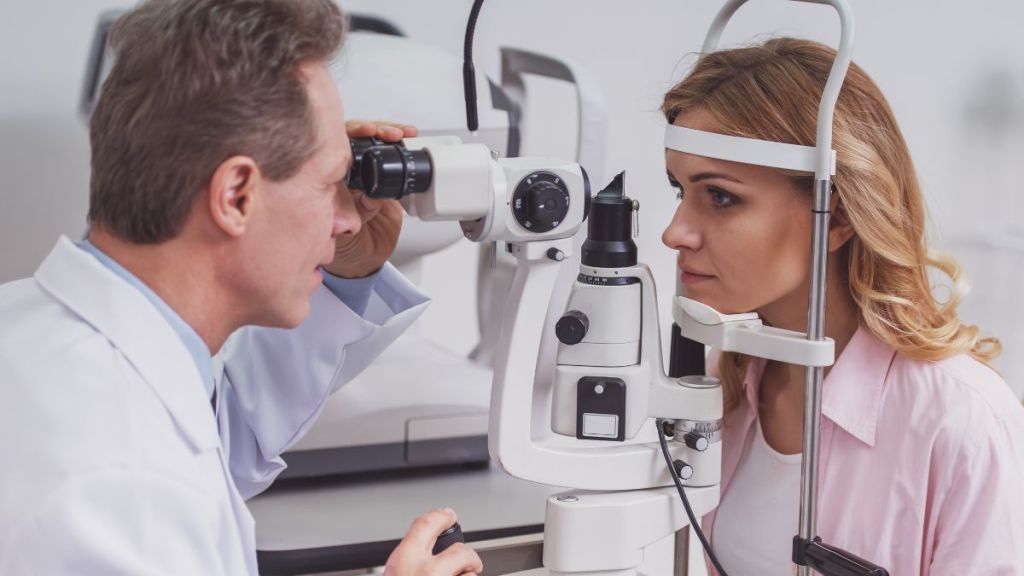
A corneal abrasion is a scratch on the eye’s clear front surface (the cornea). The scratch affects the outer cell layer called the epithelium. An abrasion can happen in seconds and needs an eye exam to confirm the injury and rule out deeper problems.
As Dr. Josef Schenker explains, a scratch on this surface can feel intense because the cornea is rich in nerve endings. That sensitivity is why even a small scrape can hurt and make light feel harsh.
Here are the key facts about corneal abrasions:
- Where the injury sits. A corneal abrasion is a loss of cells in the epithelium, the thin outer layer of the cornea. Deeper layers remain intact when it is a simple abrasion. That shallow depth helps the surface heal well after diagnosis and care.
- How scratches usually happen. Fingernails, paper edges, makeup tools, dust, sand, or plant matter can scrape the surface during daily activities. Workplace debris and contact with small particles add risk.
- Contact lenses add special risks. A lens that is dry, torn, or worn too long can rub the surface and create an abrasion. Scratches in lens users can let germs in and lead to infection; contact lens wear is linked to 52 to 65% of new microbial keratitis cases in reports.
A corneal abrasion describes the surface injury only. Signs of infection (a white spot on the cornea, worsening pain, or thick discharge) suggest more than a simple scratch and need same-day care.
Can You Stop a Corneal Abrasion From Getting Worse?
Yes. Small steps right away protect the surface and lower the chance of infection or scarring. As Josef Schenker, MD notes, simple choices in the first 24 to 48 hours often make the biggest difference.
Get same-day care if pain is severe, vision is reduced, discharge develops, or you had a high-speed object or chemical exposure. Early evaluation confirms the size and location of the abrasion, removes any debris, and sets a safe treatment plan to prevent ulcers and scarring.
How Long Does a Corneal Abrasion Take to Heal?
Healing time depends on size, location, and cause. Uncomplicated scratches close fast when the surface cells slide back into place.
Typical ranges look like this: many minor defects clear in one to two days; most uncomplicated cases resolve in 24 to 72 hours; broader or central injuries may need up to a week before vision feels crisp again. That timeline assumes no infection and good tear film.
Healing does not end the minute the stain no longer picks up dye. Early adhesion between the new epithelium and the layer beneath remains fragile, which helps explain morning “twinges” in the first week.

Josef Schenker, MD, Explains How to Cure Corneal Abrasion
Treatment starts with an eye exam. Fluorescein dye and a slit-lamp confirm the scratch, map its size, and check for debris under the lids. Josef Schenker, MD explains a simple, stepwise approach:
- Prevent infection. Most uncomplicated scratches get a lubricating antibiotic ointment to shield the surface while it heals. Clinicians select the drop based on cause and exam findings.
- Control pain without slowing healing. Routine home use of numbing drops is avoided because it can delay healing. Cycloplegics are reserved for larger, very light-sensitive abrasions.
- Consider a bandage contact lens when appropriate. A soft bandage lens, placed by the clinician, can ease blinking pain and speed return to daily tasks for larger defects.
- Why contact lens scratches get extra caution. In the U.S., about 40.9 million adults wear contacts, and risky care habits are common.
You can visit an urgent care facility like Centers Urgent Care for same-day eye evaluation. Our team can perform dye testing, remove tiny particles, start the right drops, and arrange follow-up so the surface heals safely.
How to Avoid Corneal Abrasion?
Prevention starts with simple habits. Little changes at home, work, and during sports cut most risk. As Josef Schenker explains, eye protection and smart contact lens care stop many scratches before they start.
Here are practical ways to prevent a corneal abrasion:
- Wear task-specific eye protection. Safety glasses or goggles marked ANSI Z87.1 shield against flying debris during lawn care, woodworking, and repairs.
- Protect eyes during sports. Use sport goggles with polycarbonate lenses for basketball, racquet sports, soccer, and field hockey.
- Follow safe contact lens habits. Keep lenses away from all water; remove them before showering, swimming, or using hot tubs, and replace the case at least every three months.
- Handle eye makeup and tools wisely. Wash hands before application, never share products, and replace mascara about every three months.
- Shield against dust and wind; don’t rub. Wraparound glasses or foam-lined safety eyewear keep particles out in dusty or windy settings. If grit gets in, rinse with clean water or saline instead of rubbing.
Prevention does not stop all injuries. If you feel a sharp, gritty pain, have tearing and light sensitivity, or think something hit the eye, get same-day care to prevent complications.
What to Do if Someone Has a Corneal Abrasion
Quick, simple steps protect the eye while you arrange care. Josef Schenker suggests using the guide below to help someone right away:
- Rinse the eye gently with sterile saline or clean water. Tilt the head so fluid runs away from the nose and the other eye.
- Do not rub the eye or poke at it. Cotton swabs, tweezers, or fingertips can cause more damage. Keep hands away and let a clinician examine the eye.
- Remove contact lenses and keep them out. Set the lenses aside for your clinician to review if needed. Do not reinsert lenses until cleared after the exam.
- Avoid numbing drops unless given during a medical visit. Pain control should rely on clinician-directed options.
- Skip eye patching unless a clinician applies a protective device. Leave decisions about bandage lenses or shields to the examiner.
- Use a clean, cool compress for swelling. Do not press on the eye itself. Remove the compress before the exam so the clinician can assess the surface clearly.
- Handle chemical splashes as an emergency. Start immediate irrigation for at least 15 minutes with clean water or saline, then go to the nearest emergency department.
- Do not try to remove anything stuck in the cornea. Pulling at it can deepen the injury or introduce infection. Shield the eye and seek same-day care.
- Limit bright light and screen time until examined. Sunglasses can reduce light sensitivity and blinking pain.
Call emergency services or go to an emergency department if a high-speed object hit the eye, if a chemical splash occurred, or if you suspect a cut or puncture. Those situations need urgent protection and expert care, not home fixes. Until you are seen, avoid rubbing, keep lenses out, and keep the eye gently closed or shaded.
Josef Schenker, MD, Answers Frequently Asked Questions:
A corneal abrasion can heal on its own within 24 to 48 hours because the corneal epithelium regenerates quickly. Healing requires medical evaluation to exclude a trapped particle or early infection, especially in contact lens users. Worsening pain, persistent symptoms, or discharge indicates the need for same-day medical care.
Treat a corneal abrasion in a toddler with an eye exam and fluorescein staining, checking under the lids. Use antibiotic ointment like erythromycin for comfort and infection prevention. Avoid pressure patching. If cooperation is limited or injury is deeper, ensure pediatric review within 24 hours.
Yes. A corneal abrasion can cause headaches because corneal pain and light sensitivity trigger frontal ache and eye strain until healing occurs. Headache with worsening vision, severe or persistent pain signals complications and requires urgent reassessment to exclude infection or deeper ocular injury.
A corneal abrasion does not usually cause blindness. Vision risk arises if infection develops, leading to microbial keratitis or a corneal ulcer that scars the surface. Contact lens users face higher risk. Same-day care is needed if pain, redness, or discharge increases to prevent permanent vision loss.
Eye drops for corneal abrasion include artificial tears or lubricating ointment to reduce friction. Clinicians prescribe topical antibiotics, using antipseudomonal agents for contact lens users. Short courses of topical NSAID drops can ease pain. Avoid numbing or steroid drops unless prescribed by a specialist.
Yes. You can go to urgent care for a corneal abrasion because clinicians can confirm the scratch with fluorescein dye, remove debris, start antibiotics, and arrange follow-up. Emergency department care is required for chemical burns, penetrating or high-speed injuries, or sudden significant vision loss.
Protecting Your Vision: Take the Right Steps Today
Corneal abrasions may be common, but quick recognition and timely treatment are what prevent lasting damage. From understanding the symptoms to knowing how to care for and protect your eyes, the steps we’ve outlined highlight how proper guidance makes recovery smoother and safer.
If you’re experiencing symptoms, visiting an urgent care facility in New York ensures that your eye gets examined quickly and treated correctly. At Centers Urgent Care, our medical team, led by Dr. Josef Schenker, is ready to provide expert care, whether you need diagnosis, treatment, or follow-up to protect your vision.
Don’t ignore that scratchy, painful feeling in your eye. Professional care today can make all the difference for tomorrow. Book an appointment today.

About Josef Schenker, MD:
Dr. Josef Schenker, a board-certified expert in internal medicine and emergency medical services, brings extensive experience and compassion to his role as Medical Director and Partner at Centers Urgent Care. With leadership in SeniorCare Emergency Medical Services and as an Attending Physician at New York-Presbyterian Brooklyn Methodist Hospital, Dr. Schenker oversees critical care and treatment protocols across varied medical needs. His dedication extends to chairing NYC REMAC, ensuring adherence to state standards in emergency medical procedures. At Centers Urgent Care, Dr. Schenker's expertise ensures prompt, high-quality emergency care for patients of all ages, supported by state-of-the-art facilities including a dedicated pediatric suite.