
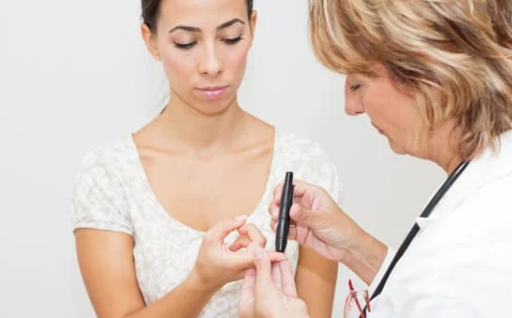
Are you tired of feeling sluggish, fatigued, or experiencing frequent mood swings? Is your Hba1c higher than you’d like? If so, you’re not alone. Many people with diabetes struggle to maintain healthy blood sugar levels. But the good news is, there are steps you can take to lower your Hba1c and improve your quality of life.
Importance of HbA1c
HbA1c, also known as glycated hemoglobin, provides valuable insights into long-term blood sugar levels. By measuring the percentage of hemoglobin that is glycated over a period of 2-3 months, healthcare providers can assess how well blood sugar has been controlled over time. Lowering A1C levels can help slow the progression of diabetes and reduce the risk of complications in both type 1 and type 2 diabetes.
Target HbA1c Levels
High HbA1c levels indicate elevated blood sugar levels, which can lead to various health issues. The American Diabetes Association (ADA) emphasizes the significance of target HbA1c levels for individuals with diabetes. The general goal for most adults with diabetes is an A1C of less than 7%. However, it’s important to note that the ideal HbA1c level may vary based on individual health conditions and diabetes type.
Health Status | Target HbA1c Level (mmol/mol) | Target HbA1c Level (%) |
Individuals with diabetes | Below 48 | Below 6.5% |
Individuals at risk of type 2 diabetes | Below 42 | Below 6% |
Monitoring and Testing HbA1c
When it comes to managing diabetes and understanding how well blood sugar levels are controlled, monitoring and testing HbA1c levels play a significant role. This section delves into the details of HbA1c testing, including its overview, frequency of testing, and factors that can influence accuracy.

HbA1c Testing Overview
The HbA1c test provides valuable insights into the average blood sugar levels over the past two to three months. By measuring the amount of blood sugar attached to hemoglobin, this test offers a comprehensive view of how well diabetes is being managed. It differs from a standard finger-prick test, which captures blood sugar levels at a specific moment in time.
Test Type | Description |
HbA1c Test | Reflects average blood sugar levels over 2-3 months |
Finger-Prick Test | Provides a snapshot of blood sugar levels at a specific time |
To maintain optimal control over blood sugar levels and prevent complications, individuals should undergo HbA1c testing at least once a year. However, the frequency of testing may vary based on individual health conditions and treatment plans. Healthcare providers may recommend more frequent testing for those with changing health circumstances.
Accuracy and Influencing Factors
The accuracy of the HbA1c test can be influenced by various factors. Medical conditions that affect red blood cells, such as anemia or hemoglobinopathies, can impact the reliability of the test results. It is essential for healthcare providers to consider these factors when interpreting HbA1c levels and making treatment recommendations.
Understanding the nuances of HbA1c testing and the factors that can affect its accuracy is crucial for individuals managing diabetes. By staying informed and proactively monitoring blood sugar levels through regular testing, individuals can take proactive steps to lower HbA1c levels and enhance their overall health and well-being.
Complications of High HbA1c
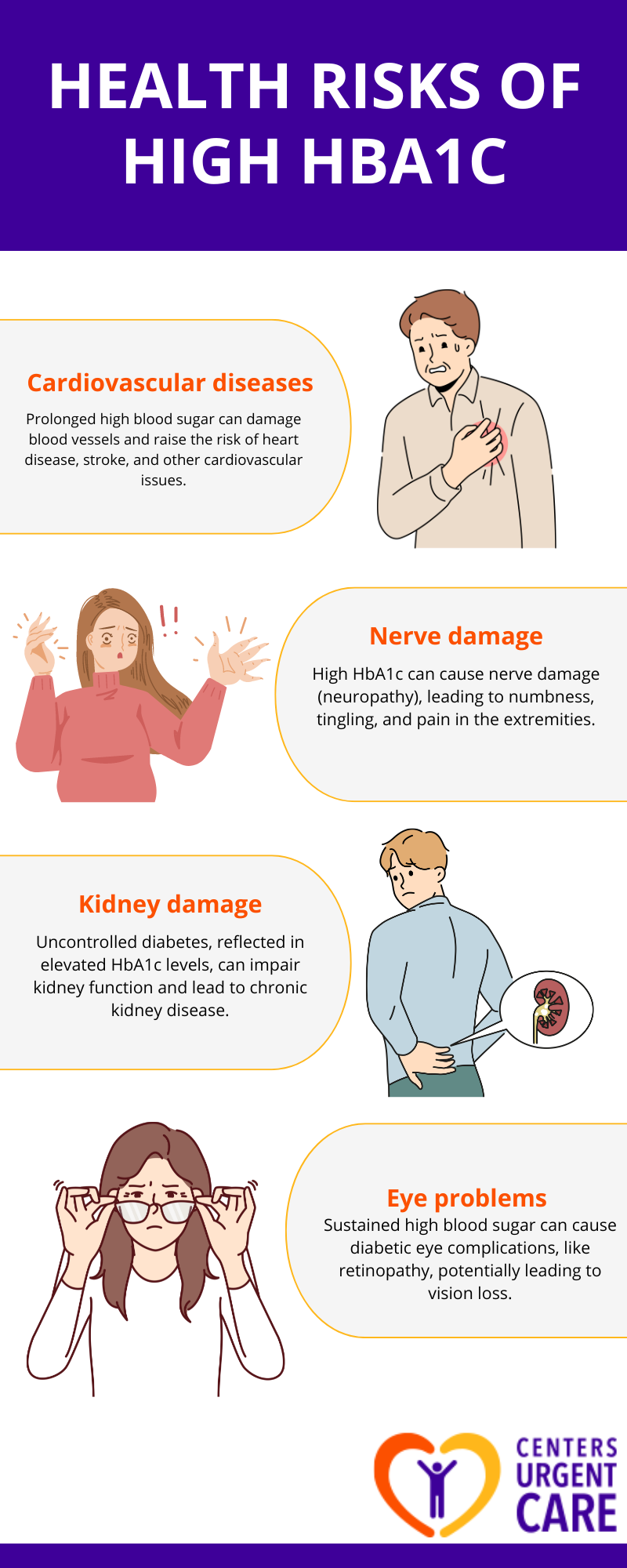
When HbA1c levels are consistently elevated, it signifies a higher average blood glucose level over an extended period, which can lead to various health risks and diabetes-related complications. Understanding these implications is crucial for individuals looking to manage their HbA1c levels effectively.
Diabetes Complications
In addition to the general health risks associated with high HbA1c levels, individuals with diabetes face specific complications related to the condition, such as:
- Diabetic neuropathy: Nerve damage caused by prolonged high blood sugar levels, leading to symptoms like pain, numbness, and weakness, often affecting the feet and hands.
- Diabetic retinopathy: Damage to the blood vessels in the retina due to uncontrolled diabetes, potentially causing vision impairment and blindness if left untreated.
- Diabetic foot problems: Nerve damage and poor circulation resulting from high HbA1c levels can increase the risk of foot ulcers, infections, and, in severe cases, amputation.
Strategies to Lower HbA1c
Managing and lowering HbA1c levels is essential for individuals with diabetes to prevent complications and maintain overall health. Effective strategies for reducing HbA1c levels include making lifestyle changes, focusing on dietary considerations, and managing medications.
Lifestyle Changes
Lifestyle modifications play a crucial role in lowering HbA1c levels and managing diabetes. Regular physical activity, such as aerobic exercises and strength training, can help improve insulin sensitivity and lower blood sugar levels. The American Diabetes Association (ADA) recommends at least 150 minutes of moderate-intensity exercise per week for most adults with diabetes.

Dietary Considerations
Certain foods can help stabilize blood sugar levels and improve diabetes management. Foods rich in fiber, such as whole grains, fruits, and vegetables, can slow down the absorption of glucose and prevent spikes in blood sugar. Working with a registered dietitian to create a personalized meal plan that focuses on balanced nutrition is also essential for managing HbA1c levels.
Medication Management
Medications such as oral glucose-lowering drugs, insulin, and other injectable medications may be prescribed by healthcare providers to help control blood sugar levels and reduce HbA1c. It is crucial to follow the prescribed medication regimen, including dosage instructions and timing, to effectively manage diabetes and achieve target HbA1c levels.
Collaborating with Healthcare Professionals
In the journey to lower HbA1c levels and manage diabetes effectively, collaborating with healthcare professionals plays a significant role. This collaboration can provide essential support and guidance to individuals looking to improve their health outcomes.
Importance of Healthcare Support
Healthcare professionals, including doctors, nurses, and dietitians play a crucial role in helping individuals understand their HbA1c levels and develop strategies to lower them. By working closely with healthcare providers, individuals can receive tailored recommendations and interventions to support their diabetes management goals.
It is essential for individuals to communicate openly with their healthcare team, sharing their challenges, goals, and concerns related to managing their HbA1c levels. Regular check-ins and follow-ups with healthcare professionals can help track progress, address any issues promptly, and make necessary adjustments to the treatment plan.

Online Resources and Forums
In addition to traditional healthcare support, online resources and forums can be valuable tools for individuals seeking information and guidance on managing their HbA1c levels. Joining online communities can provide a sense of camaraderie, peer support, and access to a wealth of knowledge from others facing similar challenges.
Online forums and resources often offer practical tips, success stories, and updated information on diabetes management strategies. This collaborative approach, combining professional guidance with peer support, can empower individuals to take control of their health and work towards effectively maintaining HbA1c levels.
When you need urgent care center New York service, Centers Urgent Care is here to provide expert medical attention. Our team of experienced providers offers a wide range of services, including treatment for diabetes-related emergencies. Contact us now to schedule an appointment and see how our team can help you!
2025 has changed my life. I never believed I would be cured by a spell caster who specializes in herbal cure and magical spells. I am talking about the help Doctor Odunga gave to me. I have been cured of herpes HPV which has plagued me for over 2 years. I am very happy to tell others that if you want to be cured or get your ex back spells and get pregnant naturally, even financial blessing through lottery, there is only one place to be and that is with Dr Odunga Spell Temple. Am so happy that just 3 days after taking DR ODUNGA Herbal treatments my herpes was cured permanently. DR ODUNGA also have cure to #HIV #Diabetes #Lupus #Tinnitus #Fibroid #Cancer #Hepatitis B, #Syphilis #Infertility etc … If you have this ailment or whatsoever you might be suffering from you should contact him at his EMAIL: odungaspelltemple@gmail.com OR VIA Whats App +2348167159012