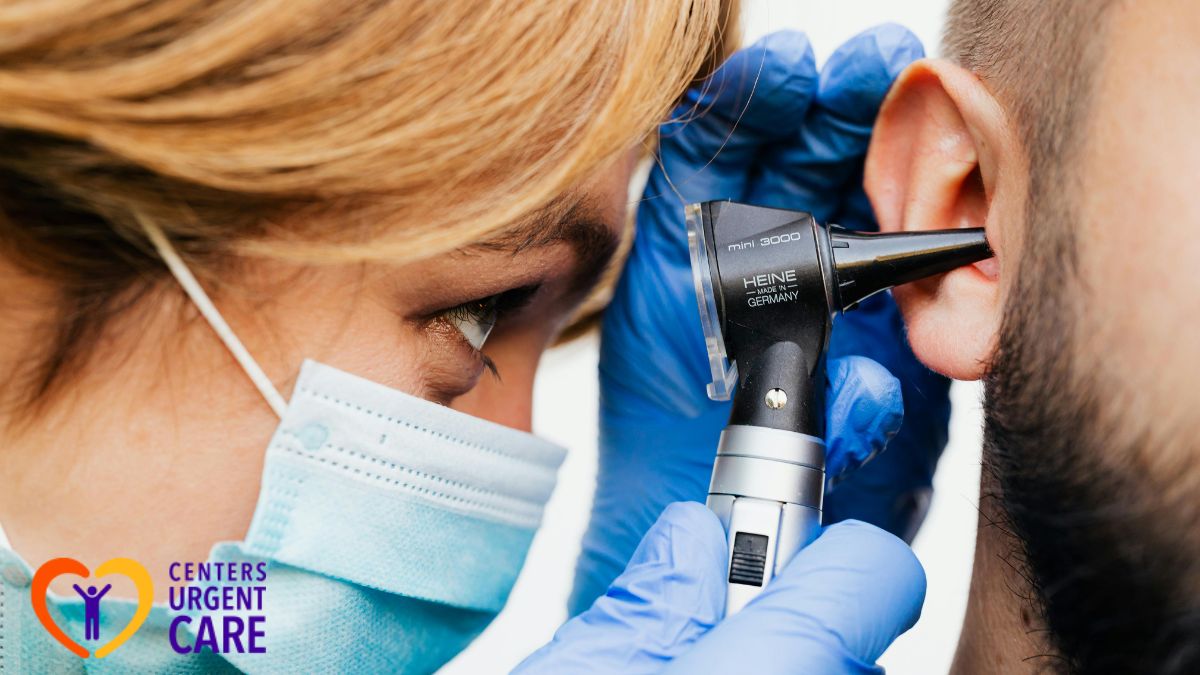
Wellness Tips from Josef Schenker, MD
Welcome to our Wellness Tips blog series, brought to you by Dr. Josef Schenker, the Medical Director at Centers Urgent Care. In this series, Dr. Schenker shares his extensive knowledge and experience in internal medicine and emergency medical services, including how to remove an earwax impaction, to help you lead a healthier life.
Dr. Schenker will cover a range of crucial health topics, offering expert advice on how to avoid common ailments. With a focus on prevention and practical tips, each blog post is designed to empower you with the information you need to make informed decisions about your health and well-being.

How to Remove an Earwax Impaction
In the U.S., about 18.6 percent of people aged 12 and above experience some form of earwax impaction. That number jumps to 32.4 percent for adults 70 and older. Each year, doctors log approximately 12 million medical visits just to deal with earwax buildup, and it’s among the top three procedures ENT doctors perform. Those figures underline just how often earwax affects comfort and hearing.
We tapped Dr. Josef Schenker, our Medical Director, for straightforward, expert advice so you can deal with this issue safely and know the right steps to take.
Dr. Josef Schenker Explains the Symptoms and Causes of Earwax Impaction
Understanding what earwax impaction is helps you act early when symptoms start. Earwax is meant to leave your ear naturally through jaw movement and skin cell shedding. But when it gets stuck, it can block the canal and cause discomfort or muffled hearing.
Why does this happen? Earwax may not clear out if it’s too hard, your body makes too much, or the pathway is narrow.
Wax is normal and helpful. Here’s how it can become a problem:
- Natural Overproduction or Slow Clearance. Some people make more earwax than the body can push out. Wax may harden before it falls out.
- Age‑Related Changes. As we age, wax gets drier and harder. Older adults often face buildup because wax doesn’t move as easily.
- Using Earbuds, Earplugs, or Hearing Aids. These items can block wax from leaving and push it deeper. Over time, wax can pack tightly.
- Inserting Objects into the Ear (e.g., Cotton Swabs). Trying to clean inside the ear often backfires. Items like swabs push wax deeper and increase impaction risk.
- Ear Canal Shape or Hair, Skin Conditions. Narrow canals, excess ear hair, or skin issues like eczema can trap wax. These factors make natural clearance harder.
- Developmental or Physical Conditions. Certain medical or anatomical issues, like Down syndrome or abnormal ear shape, slow wax removal.
What are the symptoms of an earwax impaction?
Earwax buildup doesn’t always make itself known right away. Signs may show up slowly or not at all. That’s why Dr. Josef Schenker emphasizes recognizing subtle clues before they become stubborn problems. Below is what to watch for and what’s often behind it.
- Feeling of Ear Fullness or Plugged Ear. You may sense pressure or blockage in the ear. It feels like your ear is stuffed, or you can’t hear clearly. This often leads to muffled hearing.
- Ear Pain (Earache). You might feel a dull ache or sharp discomfort inside the ear. Pain may range from mild to bothersome. This is often tied to wax pressing on sensitive tissues.
- Hearing Loss or Muffled Hearing. Sounds may seem distant or muted. Wax buildup can block sound waves from reaching the eardrum. This loss often improves once wax is removed.
- Ringing in the Ears (Tinnitus). You may hear buzzing, ringing, or humming. That noise can come from wax acting like a barrier or trapping sound.
- Itchiness, Discharge, or Foul Odor. Your ear might feel itchy or irritated. Sometimes wax causes drainage or smell. That’s a sign to check in with a provider.
- Dizziness or Vertigo. You may feel off-balance or lightheaded. Wax buildup can affect nearby structures tied to balance.
- Coughing. An unexpected cough can happen. It results from wax irritating nearby nerves that trigger a cough reflex.
Earwax impaction is common and often harmless. Yet symptoms like hearing changes or dizziness can signal that it’s time to take action. You can try safe softening or see a provider before issues get worse.
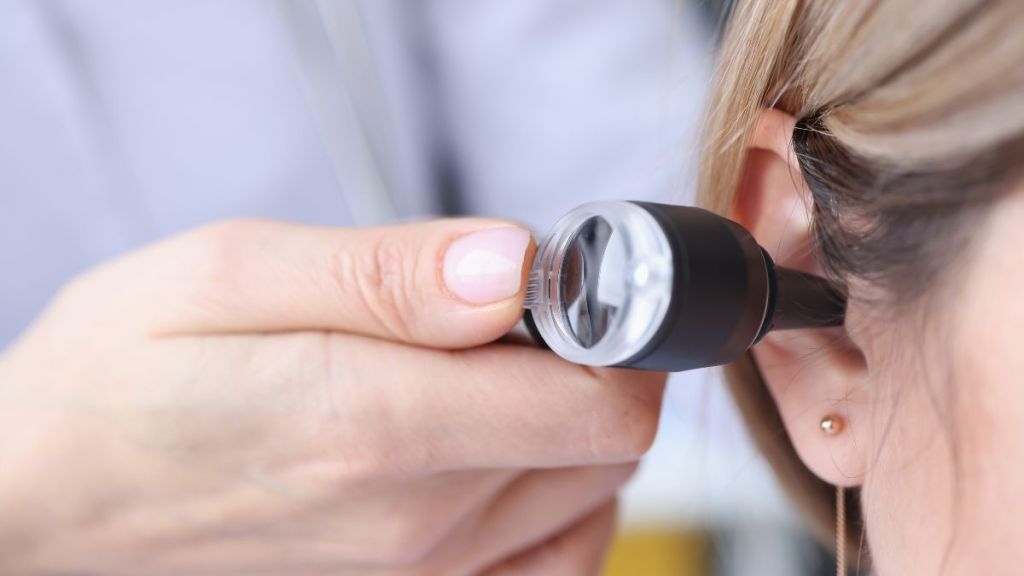
Earwax Impaction Treatment
Impacted earwax can block sound and cause discomfort. Dr. Josef Schenker highlights practical steps you can try and signs that indicate when you need professional care.
Try these initial steps when your ear feels blocked:
- Softening with cerumenolytics or drops. Use over-the-counter agents like carbamide peroxide (e.g., Debrox). These break the wax down over 3–5 days with just a few drops daily. They lower the need for forceful removal.
- Warm water irrigation (bulb syringe). After softening wax, use a bulb syringe with body-temperature water to gently flush your ear. Tilt your head to drain the fluid afterward. This helps wash out loosened wax.
- Clean outer ear with a moist cloth. Use a damp washcloth only on the outer ear. Avoid inserting cotton swabs or other objects. They push wax deeper and risk damage.
These steps offer safe relief when done calmly. Avoid aggressive methods.
Josef Schenker, MD, Explains Home Remedies and Care for Earwax Impaction
Need home care that’s gentle and easy? Josef Schenker, MD recommends giving these a try:
- Mineral oil or olive oil drops. Warm a few drops and place them in your ear. They soften hardened wax by lubricating the canal over time. Doctors often recommend them as a gentle alternative.
- Diluted hydrogen peroxide. Mix equal parts of 3% hydrogen peroxide and water. Use about five to ten drops twice daily for up to four days. You may hear bubbling—that’s normal and helps dissolve the wax. Skip this if you have ear tubes, an infection, or a perforated eardrum.
- Tilt and drain in the shower. Loosened wax can often exit naturally. Let warm water into your ear while showering, then tilt to drain. This simple method often brings welcome relief.

When Professional Treatment Is Needed
If these home steps don’t help, or if pain, dizziness, hearing loss, or discharge occurs, it’s time to get help. You can reach out to Centers Urgent Care when symptoms persist. Our skilled team can safely remove earwax using methods like curettage, microsuction, or warm saline irrigation. We offer quick, accurate care that protects your ear canal and gives you back clear hearing.
Proper Care for Better Ear Health
Good ear care prevents wax buildup and protects hearing. According to Josef Schenker, MD, simple daily habits make a big difference in lowering the risk of impaction and ear-related issues. These steps are backed by research and recommended by medical experts.
Here are some practical ways to care for your ears:
- Limit Cotton Swab Use: Cotton swabs often push wax deeper instead of removing it. Studies show that ear canal injuries and impactions are frequently linked to swab use (AAO-HNS). Clean only the outer ear with a washcloth.
- Keep Ears Dry After Swimming: Water left inside the ear canal increases the risk of swimmer’s ear. The CDC advises tilting your head and gently pulling on the ear to help water drain, or using a towel to dry the outer ear.
- Protect Ears from Loud Noise: Prolonged exposure to noise above 85 decibels can damage hearing. The National Institute for Occupational Safety and Health (NIOSH) recommends earplugs or noise-canceling devices in loud settings.
Good habits today protect your hearing for the future. Regular attention to ear health keeps you comfortable and lowers the chances of needing medical treatment later on.
Josef Schenker, MD, Answers Frequently Asked Questions:
Deep earwax impaction requires medical evaluation. Clinicians may use softening drops if the eardrum is intact, then remove wax with irrigation, suction, or curette under magnification. Cotton swabs and ear candles increase injury risk. Severe pain, dizziness, or drainage signals the need for urgent care.
Impacted earwax will not usually come out on its own. Normal wax migrates outward, but blockage halts this process. Earplugs, hearing aids, or narrow canals prevent clearance. Most impactions persist until treated by a clinician. Once removed, hearing returns, and routine checks help prevent repeat buildup.
Unblock an ear full of wax by using softening drops for several days, then gently irrigating with body-temperature water using a bulb syringe. Avoid irrigation if there is ear surgery history, perforation, tubes, infection, or severe pain. If blockage persists, a clinician removes wax safely under direct vision.
You can go to urgent care for impacted earwax. Clinicians there or in primary care remove wax with drops, irrigation, or manual extraction under visualization. Manual removal is preferred with perforations, tubes, or prior surgery. Diabetes or immune compromise increases infection risk, requiring closer follow-up or ENT referral.
Protect Your Hearing: Seek Safe Ear Care
Healthy ears are essential for clear communication and overall well-being. Earwax impaction may seem minor, but it can quickly affect comfort, balance, and hearing if left untreated. Taking early steps to manage buildup helps you avoid unnecessary complications.
At our urgent care facility in New York, we provide safe, effective treatment for earwax removal and ear health concerns. Led by Dr. Josef Schenker, our medical team delivers expert care using proven methods that protect your ears while restoring comfort. Whether you need quick relief from a blockage or guidance on prevention, we are here to support your ear health every step of the way.
Locate a Centers Urgent Care near you and get relief from earwax impaction today. Clearer hearing starts with the right care.

About Josef Schenker, MD:
Dr. Josef Schenker, a board-certified expert in internal medicine and emergency medical services, brings extensive experience and compassion to his role as Medical Director and Partner at Centers Urgent Care. With leadership in SeniorCare Emergency Medical Services and as an Attending Physician at New York-Presbyterian Brooklyn Methodist Hospital, Dr. Schenker oversees critical care and treatment protocols across varied medical needs. His dedication extends to chairing NYC REMAC, ensuring adherence to state standards in emergency medical procedures. At Centers Urgent Care, Dr. Schenker's expertise ensures prompt, high-quality emergency care for patients of all ages, supported by state-of-the-art facilities including a dedicated pediatric suite.