Wellness Tips from Josef Schenker, MD
Welcome to the Wellness Tips blog series with Dr. Josef Schenker, Medical Director at Centers Urgent Care. With years of experience in internal medicine and emergency medical services, Dr. Schenker shares helpful, easy-to-understand advice on managing everyday health concerns.
Each post in this series offers practical tips focused on prevention, early detection, and smart decision-making when it comes to your health. Whether you’re looking to avoid chronic illness or just want to feel your best, Dr. Schenker is here to help guide the way.
Hypertension Treatment
High blood pressure, or hypertension, is one of the most common yet overlooked health issues in the United States. According to the CDC, nearly half of all adults—about 120 million people—have hypertension, and only one in four have it under control. Even more concerning, many don’t realize they have it until serious complications arise.
That’s why timely treatment and regular monitoring are crucial. Left unmanaged, hypertension can lead to heart attacks, strokes, kidney disease, and other life-threatening conditions. Fortunately, with the right care plan and guidance from a trusted provider like Josef Schenker, MD, managing high blood pressure becomes much more achievable.

Dr. Josef Schenker Explains Hypertension
Hypertension is when the force of blood flowing through your arteries is consistently too high. Over time, this extra pressure can damage artery walls and strain your heart, raising your risk of cardiovascular disease.
Blood pressure is measured in two numbers: systolic (top number) and diastolic (bottom number). Here’s how it’s classified:
- Normal: Less than 120/80 mmHg
- Elevated: Systolic between 120–129 and diastolic less than 80
- Stage 1 Hypertension: Systolic between 130–139 or diastolic between 80–89
- Stage 2 Hypertension: Systolic at least 140 or diastolic at least 90
- Hypertensive Crisis: Systolic over 180 and/or diastolic over 120 (seek emergency care immediately)
According to Josef Schenker, MD, there are several factors that can contribute to developing hypertension, including:
- Family history
- Age
- Obesity
- Sedentary lifestyle
- Smoking
- Excessive alcohol intake
- Poor diet
- Chronic stress
- Other health conditions, like diabetes or kidney disease
Most people with high blood pressure don’t notice any symptoms, which is why it’s called the “silent killer.” When symptoms do appear, they might include headaches, dizziness, nosebleeds, or shortness of breath—but by then, damage may already be occurring.
Josef Schenker, MD, Explains How to Treat Hypertension
If you have high blood pressure, the first step is seeing a healthcare provider for a proper diagnosis and treatment plan tailored to your needs. Josef Schenker, MD, emphasizes the importance of addressing hypertension early to reduce the risk of serious complications later.
Medications
There are several types of blood pressure medications, and the right one for you depends on your overall health, age, and how high your blood pressure is. Here are the most commonly prescribed types:
- ACE Inhibitors (e.g., lisinopril, enalapril): These help relax blood vessels by preventing the formation of a hormone that narrows them. They’re especially useful for people with diabetes or heart failure.
- Beta-blockers (e.g., metoprolol, atenolol): These reduce your heart rate and the amount of blood your heart pumps, lowering your blood pressure. They’re often used after heart attacks or in cases of heart rhythm problems.
- Calcium Channel Blockers (e.g., amlodipine, diltiazem): These prevent calcium from entering the heart and blood vessel walls, helping vessels relax and lowering blood pressure.
- Diuretics (e.g., hydrochlorothiazide, furosemide): Sometimes called “water pills,” these help your body get rid of excess salt and water, reducing the volume of blood your heart has to pump.
- ARBs or Angiotensin II Receptor Blockers (e.g., losartan, valsartan): Similar to ACE inhibitors, ARBs relax blood vessels but through a different mechanism. They’re a good option for people who can’t tolerate ACE inhibitors.
Most patients need more than one medication to effectively control their blood pressure. Dr. Josef Schenker says that your doctor may adjust the dose or combine medications to find the best fit for you.
Lifestyle Changes
Many people can lower their blood pressure through healthier daily habits:
- Eat a heart-healthy diet: The DASH diet, rich in fruits, vegetables, whole grains, and lean proteins, helps lower blood pressure.
- Exercise regularly: Aim for at least 30 minutes of moderate activity most days of the week.
- Limit salt and alcohol: Reducing sodium intake and drinking in moderation can make a big difference.
- Quit smoking: Tobacco use damages your blood vessels and raises blood pressure.
- Manage stress: Deep breathing, meditation, or simply making time for things you enjoy can lower stress levels.
Monitoring at Home
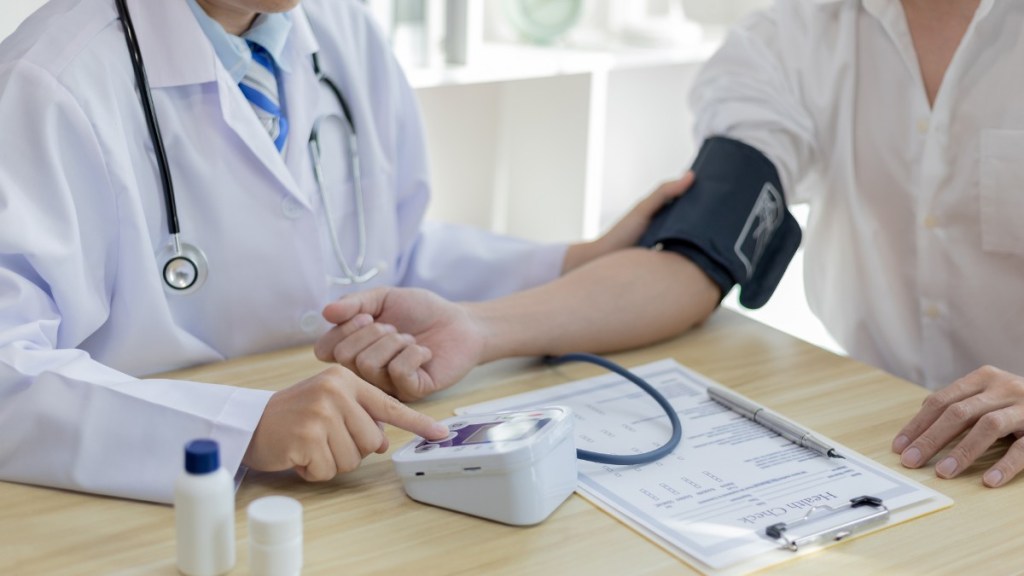
Keeping track of your blood pressure at home allows you to notice trends and respond quickly to changes. Digital home monitors are affordable, widely available, and easy to use. Bring your readings to your doctor’s appointments to help with treatment decisions.
Emergency First Aid for Spikes
If your blood pressure suddenly spikes above 180/120 mmHg and you experience chest pain, vision changes, confusion, or trouble breathing, seek emergency care right away. While waiting for help, stay calm, rest, and avoid taking unprescribed medication.
Proper treatment isn’t one-size-fits-all. Dr. Josef Schenker reminds patients that sticking with the plan—whether it includes lifestyle changes, medications, or both—is key to staying healthy.
Josef Schenker, MD, Answers Frequently Asked Questions:
Yes. While lifestyle plays a major role, having a family history of high blood pressure increases your risk. If your parents or close relatives have hypertension, your chances are higher. Still, regular checkups and preventive habits can help manage your long-term risk.
The only sure way is to check your blood pressure regularly, even if you feel fine. Hypertension often shows no symptoms until serious damage occurs. That’s why screening is important, especially for adults over 40 or those with other risk factors.
If you need to lower your blood pressure fast, try sitting down, relaxing, and taking slow, deep breaths. Long-term control, however, depends on regular exercise, reduced salt intake, weight loss, and following your doctor’s treatment plan.
Foods like spinach, kale, sweet potatoes, berries, bananas, and oatmeal are excellent choices. They’re packed with potassium, fiber, and other nutrients that support heart health. Avoid processed foods high in sodium, which can quickly raise blood pressure.

Manage Hypertension with Effective Treatment
Hypertension may be common, but that doesn’t mean it should be ignored. Getting the right diagnosis and sticking with a personalized treatment plan can help you live a longer, healthier life. Don’t wait until symptoms appear or a health scare forces you to act.
If you’re concerned about your blood pressure or simply want to stay on top of your health, visit Centers Urgent Care. With multiple urgent care centers across New York and a dedicated team of professionals led by Dr. Josef Schenker, we’re here to provide expert care when and where you need it. Let us help you take control of your heart health today.

About Josef Schenker, MD:
Dr. Josef Schenker, a board-certified expert in internal medicine and emergency medical services, brings extensive experience and compassion to his role as Medical Director and Partner at Centers Urgent Care. With leadership in SeniorCare Emergency Medical Services and as an Attending Physician at New York-Presbyterian Brooklyn Methodist Hospital, Dr. Schenker oversees critical care and treatment protocols across varied medical needs. His dedication extends to chairing NYC REMAC, ensuring adherence to state standards in emergency medical procedures. At Centers Urgent Care, Dr. Schenker's expertise ensures prompt, high-quality emergency care for patients of all ages, supported by state-of-the-art facilities including a dedicated pediatric suite.