

The importance of regular check-ups lies in their ability to detect health issues early, prevent disease progression, and establish a consistent health record for each patient. These appointments help you stay informed about your health, maintain a preventive care plan, and catch minor concerns before they escalate—whether it’s monitoring blood pressure or needing stitches at urgent care for a sudden injury.
Why Do People Skip Regular Check-Ups?
Many people skip check-ups because they feel fine, are too busy, or worry about the expense. However, the cost of neglecting preventive care can be much higher over time. When medical issues are left untreated, they often become more severe and expensive to manage.
Skipping check-ups may seem harmless, especially if you’re not experiencing symptoms, but many conditions like hypertension, high cholesterol, or early-stage cancer are asymptomatic. Regular appointments are your safety net.
What Happens During a Routine Check-Up?
Your provider uses routine exams to assess your overall well-being, update your medical history, and address specific health concerns. A thorough check-up may include:
- Physical examination (heart, lungs, skin, etc.)
- Blood pressure and pulse checks
- Blood tests (cholesterol, blood sugar)
- Body Mass Index (BMI) measurement
- Review of medications and supplements
- Age-appropriate cancer screenings
- Vaccination updates
- Mental health screening
Doctors often compare current health metrics to previous visits. This comparison helps detect any negative trends and make informed decisions about treatment or lifestyle changes.
What are the Benefits of Regular Health Check-Ups?
Many health benefits are directly tied to consistent care. Beyond early detection, routine exams provide a full-circle view of your health.
Early Detection of Diseases
Before a condition like diabetes or heart disease shows clear signs, your provider might spot abnormalities in your lab work. Detecting these early can:
- Reduce the risk of complications
- Allow more effective and less aggressive treatment
- Improve long-term health outcomes
Monitoring Existing Conditions
If you live with a chronic illness—like asthma or thyroid issues—check-ups help track disease progression and treatment effectiveness.
- Adjust medications accordingly
- Ensure lifestyle changes are working
- Prevent future health complications
Mental Health Screening
Mental wellness is as critical as physical health. Providers can evaluate signs of anxiety, depression, and stress. These issues often get overlooked but can drastically affect quality of life.
Updates on Preventive Care
Routine appointments are a chance to catch up on:
- Flu shots and booster vaccines
- STD screenings
- Vision and hearing tests
- Skin checks for melanoma
- Colonoscopies and mammograms
Establishing a Health History
Having a documented medical history helps providers:
- Recognize patterns
- Evaluate genetic risks
- Make better decisions in emergencies

How Often Should You Get a Medical Check-Up?
The frequency of check-ups depends on your age, risk factors, and medical history. That said, here’s a general guide:
Adults (18–39 years old)
- Physical exam every 1–3 years
- Blood pressure check annually
- Cholesterol test every 4–6 years (earlier if high risk)
- STI screening if sexually active
Adults (40–64 years old)
- Annual physical exams recommended
- Diabetes screening every 3 years (earlier if overweight)
- Eye exams every 2–4 years
- Mammograms or prostate exams as advised
Seniors (65+)
- Annual check-ups strongly recommended
- Bone density screening
- Fall risk assessment
- Cognitive evaluation
Discuss personalized timelines with your provider. Some people, especially those with chronic conditions or a family history of illness, may need more frequent visits. And just like managing ongoing health concerns requires a tailored approach, breaking habits like excessive sugar intake also benefits from personalized strategies—explore more in our article Say Goodbye to Sugar Cravings—Here’s How.
What are the Risks of Avoiding Regular Check-Ups?
It’s easy to assume that no symptoms mean no problems. But silent conditions are real—and dangerous. Ignoring check-ups can lead to:
- Missed early warning signs of major diseases
- Poor management of chronic conditions
- Delayed immunizations
- Increased emergency room visits
- Higher medical bills due to untreated issues
What Should You Prepare Before a Check-Up?
To make the most of your appointment, preparation is key.
- List all symptoms you’ve experienced, even if they seem minor.
- Bring a list of medications, vitamins, and supplements.
- Know your family’s medical history.
- Prepare questions you want to ask your doctor.
- Track any recent health changes like weight loss, fatigue, or sleep issues.
Your participation helps your provider offer better, more targeted care.
Do Children Need Regular Check-Ups Too?
Absolutely. Pediatric check-ups are crucial for monitoring developmental milestones, administering vaccines, detecting behavioral issues or delays, and offering guidance on nutrition, sleep, and screen time. Pediatricians also provide early intervention if anything seems off, and catching issues early can significantly improve treatment outcomes.
How to Fit Check-Ups Into a Busy Schedule?
Life gets hectic, but your health must stay a priority. Here are some ways to stay on track:
- Schedule appointments months in advance
- Use digital reminders or calendar alerts
- Combine with other errands if possible
- Look for flexible hours (evenings/weekends)
Many urgent care centers now offer walk-in check-ups, making routine care more accessible for working adults and busy parents.
What Specific Conditions Can Be Detected Early?
Routine exams often uncover conditions that otherwise go unnoticed:
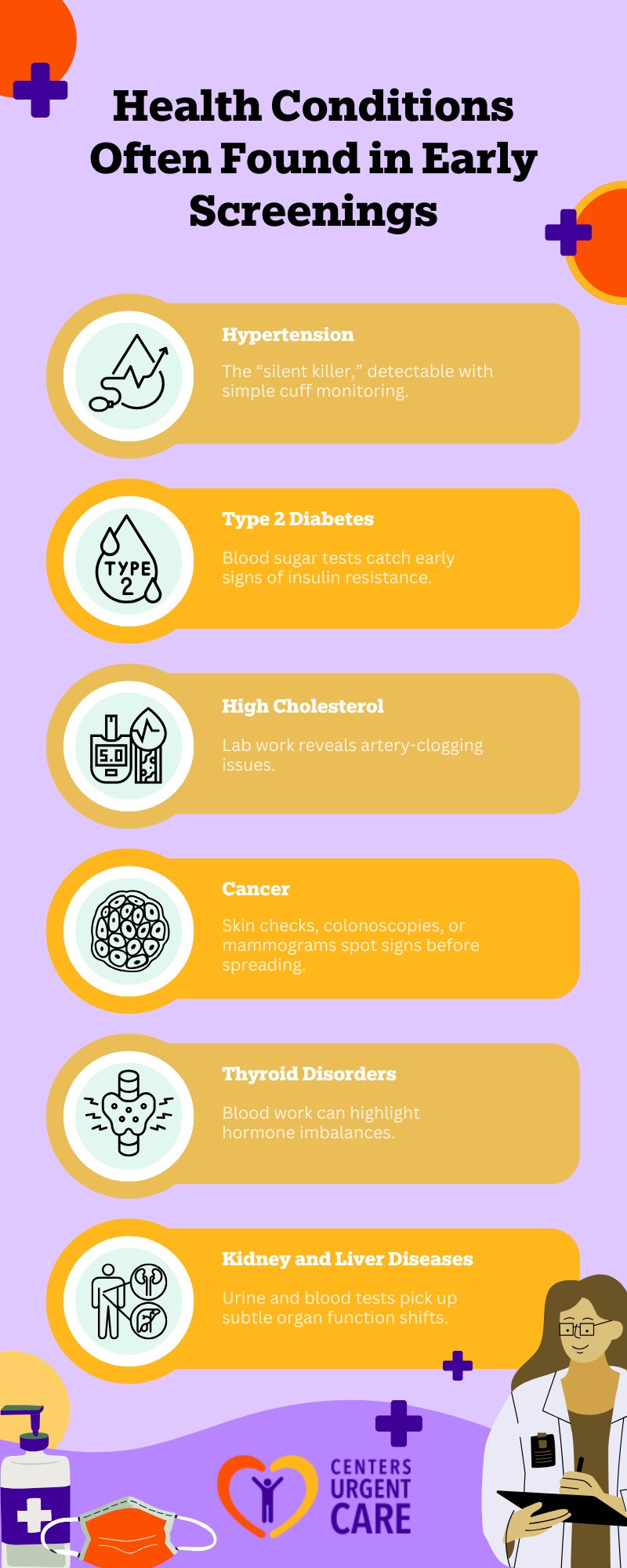
These conditions are treatable when found early. Regular check-ups give you that advantage.
Why Prioritize Regular Health Check-Ups?
Routine medical check-ups aren’t just for when you’re sick. They’re tools for disease prevention, early detection, and personalized care. Skipping them increases your risk of medical surprises and escalated costs.
Building a relationship with your provider and staying consistent with exams, you take control of your health journey—proactively, not reactively.
Ready for a Check-Up? Visit Centers Urgent Care
If you’re looking for urgent care in New York, Centers Urgent Care offers quick, professional, and reliable check-ups for both children and adults. Whether you need a routine exam, lab work, or preventive screenings, our providers are here to help you stay healthy—without the long wait times of traditional clinics.
We understand the importance of regular check-ups, and we make them easy to access. Your health shouldn’t take a back seat. Let us help you take control.
Contact us today or walk in—no appointment necessary.