

















Table of Contents
ToggleWellness Tips from Josef Schenker, MD
Welcome to our Wellness Tips blog series, brought to you by Dr. Josef Schenker, the Medical Director at Centers Urgent Care. In this series, Dr. Schenker shares his extensive knowledge and experience in internal medicine and emergency medical services, including mastitis treatment and management, to help you lead a healthier life.
Dr. Schenker will cover a range of crucial health topics, offering expert advice on how to avoid common ailments. With a focus on prevention and practical tips, each blog post is designed to empower you with the information you need to make informed decisions about your health and well-being.
Mastitis Treatment and Management During Breastfeeding
Mastitis treatment starts with knowing what this breast problem feels like and what tends to set it off. Mastitis is most common during breastfeeding, and published reviews estimate it affects about 1% to 10% of lactating women, with some reports showing even higher rates during the full breastfeeding period. In this guide, Dr. Josef Schenker explains the signs to watch for, what helps at home, when mastitis antibiotics may be needed, and when to get checked before it turns into something more serious.
Dr. Josef Schenker Explains the Symptoms of Mastitis
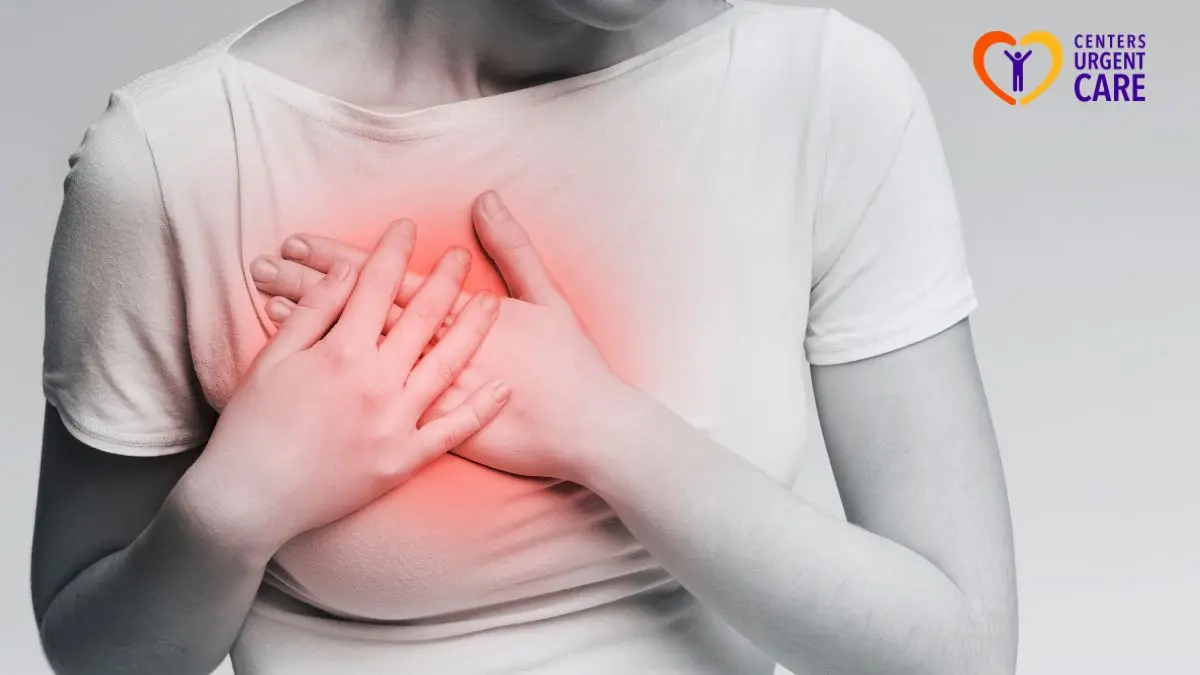
Mastitis symptoms often start fast. One breast may suddenly feel sore, warm, heavy, or harder than usual. Josef Schenker, MD explains that many people first notice pain during a feeding or pumping session, then realize the breast looks red or feels swollen later in the day. Here are the common mastitis symptoms:
- Breast Pain or Burning. Mastitis often causes pain in one area of the breast. Some people feel a constant ache, while others notice a sharp or burning feeling during breastfeeding.
- Warmth and Swelling. The affected area may feel hot to the touch and look puffy. Swelling can make the breast feel tight, firm, or tender.
- Redness or Skin Color Change. A red patch is common, and it may look wedge-shaped. On darker skin tones, the color change may be less obvious, so warmth, pain, and swelling can stand out more than redness.
- A Hard Area or Lump. A firm area can develop where milk is not draining well or where inflammation has built up. That area may feel sore when touched or when clothing rubs against it.
- Fever and Chills. Mastitis can cause flu-like symptoms. A temperature of 101°F (38.3°C) or higher, chills, body aches, and feeling drained can all occur when inflammation is more intense.
- Tiredness and Feeling Sick. Many people say they feel wiped out before they even realize mastitis is the cause. Fatigue, aches, and a general sick feeling are common.
- Nipple Discharge or Blood-Streaked Milk. Some cases come with nipple discharge or a little blood in the milk. That can happen when the tissue is irritated and inflamed.
What Is Mastitis?
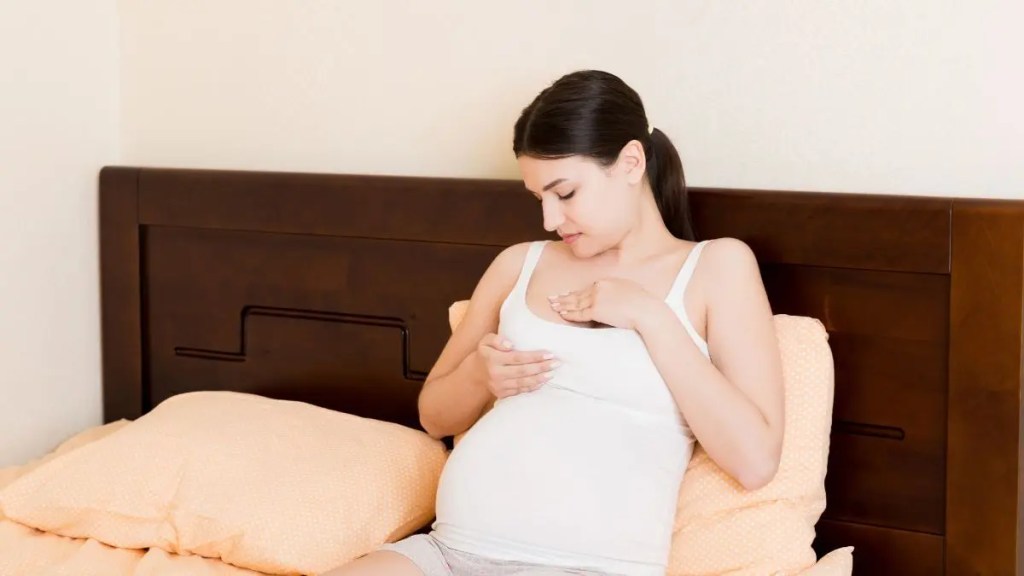
Mastitis is inflammation in the breast. It often starts when milk does not drain well, and pressure builds in the tissue. Bacteria can also enter through cracked skin around the nipple and cause infection. Dr. Josef Schenker explains that some cases start with milk backup, while others turn into bacterial mastitis and need closer treatment. A few key points help explain it:
- Most Cases Happen During Breastfeeding. Lactational mastitis is most common in the first weeks after delivery, though it can happen later, too.
- It Can Also Happen Outside Breastfeeding. Non-lactational mastitis is less common, but it can affect people who are not breastfeeding.
- Poor Milk Drainage Is A Common Trigger. Skipped feeds, poor latch, oversupply, nipple damage, and tight bras can make milk harder to remove. That can lead to swelling and pain.
- Infection Can Follow Inflammation. Staphylococcus aureus is one of the germs often linked to infectious mastitis. If symptoms get worse, antibiotics may be needed.
Can Mastitis Go Away on Its Own?
Some mild mastitis can settle without antibiotics, especially if you catch it early and improve milk drainage right away. Rest, fluids, cold packs, pain relief, and continued feeding or expressing can calm early inflammation before it becomes a deeper infection. A few situations make home care more likely to help:
- Early Symptoms Started Recently. Pain, swelling, and a hard area that began only hours ago may improve with prompt self-care.
- Milk Is Still Moving. Regular breastfeeding or expressing from the affected side helps lower pressure inside the breast. Stopping suddenly can make symptoms worse.
- Fever Is Mild or Absent. Cases without strong flu-like symptoms are often less severe at the start.
How Long Does Mastitis Last?
Healing time depends on how soon care starts and whether the problem is inflammatory mastitis or a true infection. Josef Schenker, MD notes that quick action often shortens the course, while delayed care can turn a short illness into a much longer one. Here is a simple guide:
- Mild Early Mastitis. Mild cases may start to ease within 24 to 48 hours once milk is well expressed, pressure is reduced, and the breast gets rest.
- Mastitis Treated With Antibiotics. When antibiotics are needed through walk-in urgent care, many people begin to feel better within 24 to 48 hours after starting them. Full recovery can still take several more days.
- Lingering Soreness. Pain, firmness, or a tender lump can last longer than fever or chills. Even after the infection starts clearing, the breast may stay sore for a short time.
- Abscess-Related Cases. If mastitis turns into an abscess, recovery takes longer because drainage may be needed. Reviews report that breast abscess develops in about 3% to 11% of women with mastitis.

Josef Schenker, MD, Explains Mastitis Treatment and Management
Mastitis treatment depends on what stage the problem is in. Josef Schenker says the goal is to reduce pressure in the breast, calm inflammation, treat infection when present, and stop complications before they start. Here are the usual steps in mastitis management:
- Keep Milk Moving. Breastfeeding or expressing from the affected side often helps.
- Use Cold Packs For Swelling. A cool compress for short periods can ease pain and lower swelling.
- Take Pain Relievers If Needed. Ibuprofen or acetaminophen for pain and fever relief can help when taken as directed.
- Fix Feeding Problems. Poor latch, missed feeds, oversupply, or pressure on the breast can keep the cycle going. Correcting the cause helps stop repeat episodes.
- Start Mastitis Antibiotics When Needed. Antibiotics are often used if symptoms are severe or if fever is present. Prompt walk-in lab work helps confirm infection when improvement hasn’t occurred after 12 to 24 hours of effective milk removal and self-care. Not every patient with lactational mastitis needs antibiotics, but some clearly do.
- Watch For Abscess. A painful lump that stays firm, red, and tender despite care may mean fluid has collected and drainage is needed.
- Get Checked If Symptoms Escalate. High fever, fast-spreading redness, severe pain, or no relief after treatment should lead to a medical visit.
How to Avoid Mastitis
Prevention usually comes down to lowering breast pressure and avoiding nipple injury. Good feeding habits and small daily adjustments can reduce the risk of mastitis while breastfeeding.
- Feed Or Pump Regularly. Long gaps can leave the breast overly full and painful.
- Check Latch Early. A shallow latch can lead to poor milk removal and nipple damage.
- Change Positions. Different feeding positions may help drain the breast more evenly.
- Avoid Tight Bras Or Pressure. Underwire bras, chest pressure, or sleeping positions that compress the breast can make blockage more likely.
- Treat Nipple Cracks Quickly. Broken skin creates an opening for bacteria.
- Do Not Overpump Without A Reason. Extra pumping can worsen oversupply in some people, which may add to breast fullness.
- Rest And Drink Fluids. Tiredness and missed care routines often show up during the postpartum weeks.
- Ask For Help Early. Lactation support can solve feeding issues before they turn into pain, swelling, or infection.

What to Do if You Think You Have Mastitis
The first goal is to lower pressure in the breast and watch for signs that the problem is getting worse. Josef Schenker reminds patients that fast treatment can help stop an abscess, lower the need for stronger treatment, and make feeding less painful. Here are the steps to take:
- Keep Breastfeeding or Expressing Milk. Milk removal is often part of the treatment. Unless a clinician tells you otherwise, continue feeding or expressing from the affected side.
- Rest and Drink Fluids. Body aches and fatigue are common with mastitis. Extra rest helps recovery.
- Use a Cold Compress. A cool cloth or ice pack wrapped in fabric can ease swelling and pain for short periods.
- Take Fever or Pain Medicine if Needed. Over-the-counter pain relief can help bring down a fever and make feeding easier.
- Watch the Clock. If the breast is not clearly improving after 12 to 24 hours, get checked. If you already started antibiotics and you are not feeling better within 48 hours, follow up again.
- Look for Abscess Warning Signs. A lump that stays very painful, a pocket of swelling that feels full, or worsening redness may point to an abscess instead of simple mastitis.
- Go in Sooner for Red Flags. High fever, severe pain, spreading redness, weakness, pus, or symptoms when you are not breastfeeding all call for medical attention.
When to go to urgent care for mastitis often comes down to severity and timing. If you feel sick, your fever is high, the redness is spreading, or home care is not helping, a same-day visit is a smart move. Centers Urgent Care can assess mastitis symptoms, check for abscess warning signs, and decide whether you need mastitis antibiotics, imaging, or a higher level of care.
Josef Schenker, MD, Answers Frequently Asked Questions
Can you breastfeed if you have mastitis?
Yes. You can usually breastfeed if you have mastitis because continued milk removal helps relieve pressure and supports healing. Most guidance says breastfeeding can continue unless a clinician finds a reason to stop. Many medicines used for mastitis are also considered compatible with breastfeeding.
Does mastitis always need antibiotics?
No. Mastitis does not always need antibiotics because some early cases improve with better milk removal, rest, fluids, and pain relief. Antibiotics are more often used when symptoms are severe, infection seems likely, or there is no improvement after about 12 to 24 hours.
Can you get mastitis if you are not breastfeeding?
Yes. You can get mastitis if you are not breastfeeding because non-lactational mastitis can affect breast tissue outside the postpartum period. It is less common than lactational mastitis and may need a different evaluation, especially if symptoms do not improve or keep coming back.
How do you know if mastitis has turned into an abscess?
A mastitis abscess is more likely when a painful breast lump stays hard, red, and tender despite treatment. Fever may continue, or the breast may feel like it has a pocket of fluid. Ultrasound is often used to confirm an abscess when symptoms do not settle.
When should I go to urgent care for mastitis?
You should go to urgent care for mastitis when you have a fever, chills, fast-spreading redness, severe pain, or no improvement after 12 to 24 hours of home care. Urgent care is also a good choice if symptoms return, you are not breastfeeding, or you think mastitis may have turned into an abscess.
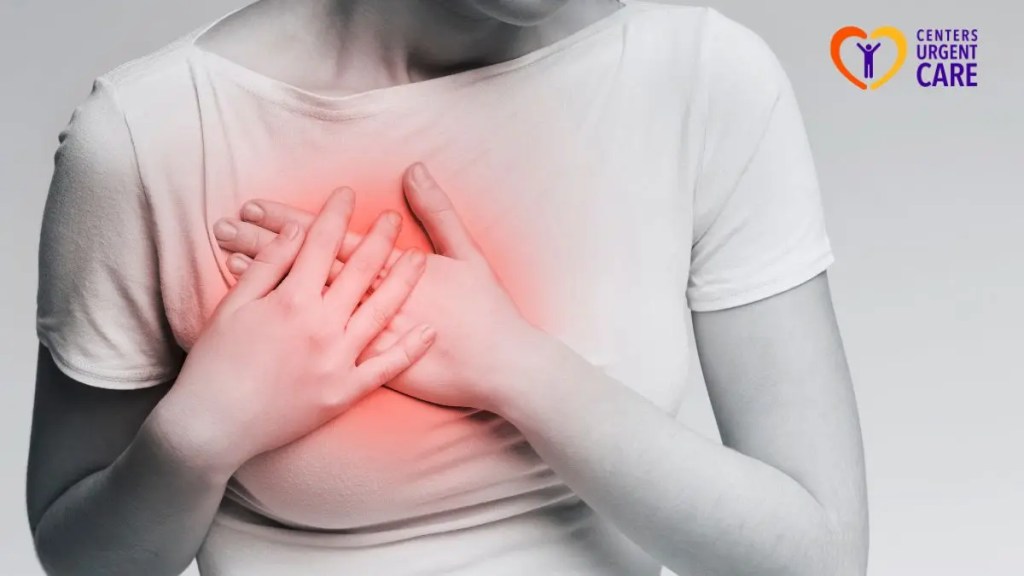
Get Prompt Help for Mastitis Treatment and Management
Mastitis treatment works best when the problem is caught early and handled the right way. If breast pain, swelling, fever, or a hard red area is making feeding hard or making you feel sick, an urgent care facility in New York can help you get checked fast. At Centers Urgent Care, patients can get same-day evaluation for breast pain, infection concerns, and treatment needs.
Under the medical leadership of Dr. Josef Schenker, our team provides practical, timely care for urgent health problems across New York. We operate in 12 NYC locations. Locate a Centers Urgent Care near you.

About Josef Schenker, MD:
Dr. Josef Schenker, a board-certified expert in internal medicine and emergency medical services, brings extensive experience and compassion to his role as Medical Director and Partner at Centers Urgent Care. With leadership in SeniorCare Emergency Medical Services and as an Attending Physician at New York-Presbyterian Brooklyn Methodist Hospital, Dr. Schenker oversees critical care and treatment protocols across varied medical needs. His dedication extends to chairing NYC REMAC, ensuring adherence to state standards in emergency medical procedures. At Centers Urgent Care, Dr. Schenker's expertise ensures prompt, high-quality emergency care for patients of all ages, supported by state-of-the-art facilities including a dedicated pediatric suite.