
Wellness Tips from Josef Schenker, MD | Minor Concussions

Minor Concussions

Wellness Tips from Josef Schenker, MD

Welcome to our Wellness Tips blog series! Health can be complicated, but taking care of yourself doesn’t have to be. In this series, Dr. Josef Schenker, Medical Director at Centers Urgent Care, offers expert guidance to make wellness feel approachable and actionable. From overcoming common health hurdles to building routines that last, our goal is to support your journey toward feeling better and living healthier.

Minor Concussions

Minor concussions are far more common than most people realize. In 2022, up to 2.3 million individuals aged 17 and younger have been diagnosed with a concussion or brain injury. While many of these head injuries are mild, they still require attention to prevent complications.

In this article, Dr. Josef Schenker will guide us through everything we need to know about minor concussions – from understanding what a minor concussion is, and recognizing its symptoms, to learning how to manage the injury.

Josef Schenker, MD Explains What is a Minor Concussion

A minor concussion, or mild traumatic brain injury (mTBI), is a temporary disturbance in brain function caused by a bump, blow, or jolt to the head or body. The term “minor” does not imply that it is insignificant—rather, it means the symptoms are less severe than those of more serious concussions, which can lead to prolonged unconsciousness, memory loss, or permanent brain damage.

Dr. Josef Schenker explains that mild concussion may cause brief confusion or memory issues, but does not typically result in unconsciousness beyond a few minutes, if at all. The brain cells are affected but not permanently damaged. However, even mild concussions require care and proper management to ensure full recovery and avoid complications.

Who is Most at Risk of Mild Concussions?

  • Athletes: Particularly in contact sports like football, soccer, and hockey.
  • Children and Adolescents: Their brains are still developing, making them more vulnerable.
  • Older Adults: Falls are the leading cause of concussions in this age group.
  • Cyclists or Motorcyclists: Not wearing a helmet increases their risk.
  • Workers in High-Risk Occupations: Construction workers, for example, are at higher risk of head injuries.

Causes of Minor Concussion

A concussion can happen to anyone, but there are common scenarios where they occur:

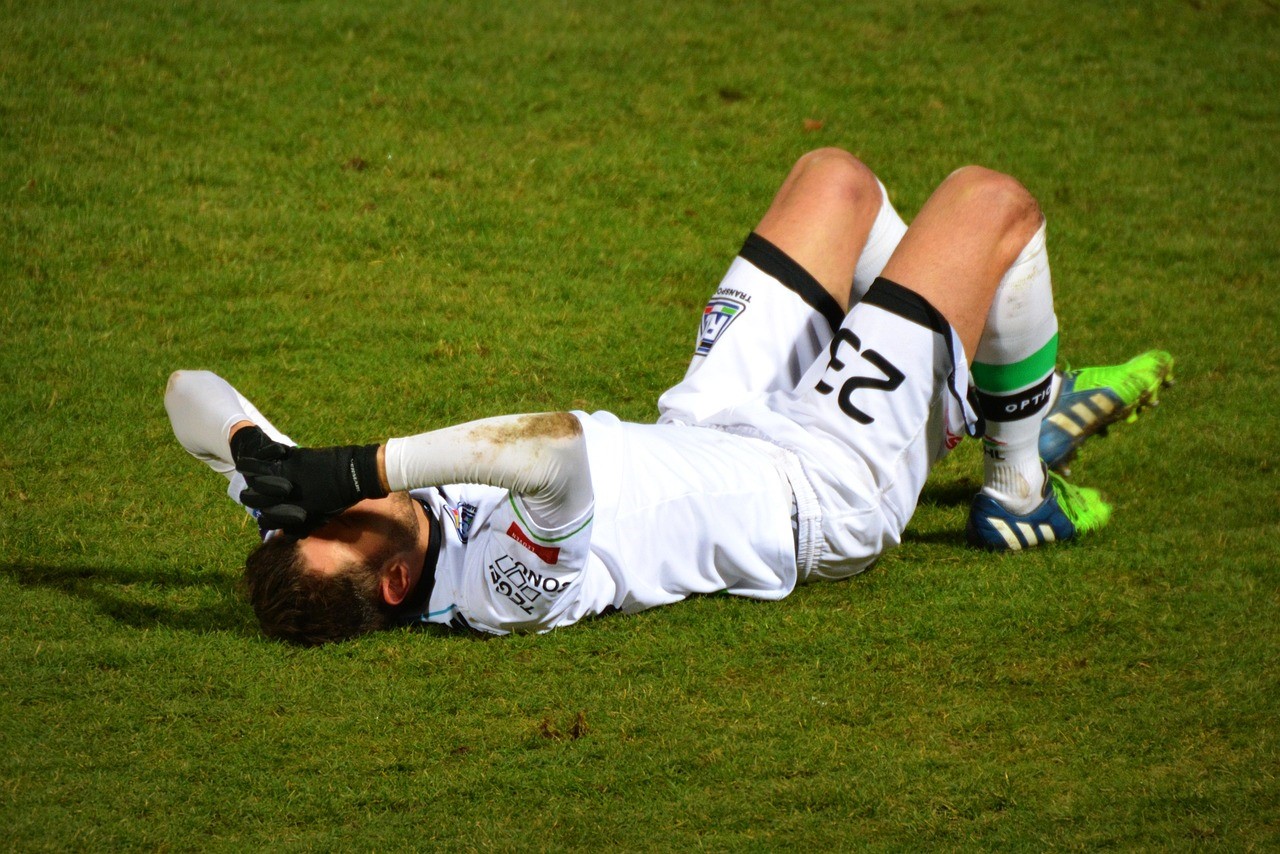
  • Sports Injuries: A tackle in football, heading a soccer ball incorrectly, or a fall during gymnastics can all cause concussions.
  • Falls: Slips and falls in the home, especially among the elderly, can lead to minor concussions.
  • Car Accidents: Even with seatbelts and airbags, the jolt from a car crash can cause a brain injury.
  • Bicycle or Motorcycle Accidents: Without a helmet, a fall or crash can easily result in head trauma.
  • Assaults or Physical Altercations: A blow to the head in a fight or other altercation can cause a concussion.

Symptoms of Minor Concussion

It’s important to recognize the symptoms of a minor concussion so that it can be addressed early. Symptoms may not appear immediately and can evolve over the following days. Common signs include:

  • Headache: A constant or intermittent pain that may worsen with physical activity.
  • Dizziness: Feeling lightheaded or unsteady on your feet.
  • Confusion: Difficulty thinking clearly or being unsure of surroundings.
  • Memory Problems: Trouble remembering events before or after the injury.
  • Nausea or Vomiting: Commonly occurs right after the impact.
  • Sensitivity to Light and Noise: Bright lights and loud noises may feel overwhelming.
  • Fatigue: Feeling excessively tired or sleepy without a clear reason.
  • Blurred Vision: Temporary difficulty focusing or seeing clearly.
  • Mood Changes: Irritability, sadness, or anxiety can follow a concussion.
Minor Concussions

Josef Schenker, MD, Explains How to Alleviate Mild Concussion

The key to managing a minor concussion is ensuring adequate rest and gradual recovery. Josef Schenker emphasizes that you should never rush the healing process. Here’s how you can help alleviate symptoms and promote recovery:

  • Rest Both Body and Mind: Physical and mental rest are crucial for recovery. Avoid strenuous activities, including exercise, and limit screen time to give your brain a break.
  • Stay Hydrated: Dehydration can worsen headaches, so drinking plenty of water is important.
  • Sleep: Quality sleep is essential for brain healing. Aim for a full night’s rest and take naps during the day if needed.
  • Gradually Return to Normal Activities: Slowly reintroduce daily activities, starting with those that require less mental effort, like light reading or walking.
  • Monitor Symptoms Closely: Keep track of symptoms and their progression. If symptoms worsen or new ones appear, seek medical attention.

What Not to Do

While recovering from a mild concussion, it’s essential to avoid the following:

  • Avoid Physical Activity: Don’t engage in sports or exercise too soon.
  • Don’t Drive: Reaction time may be impaired, making driving dangerous.
  • Avoid Alcohol: It can exacerbate symptoms and delay healing.
  • Don’t Ignore Symptoms: Even mild concussions require attention.
Minor Concussions

When to Seek Medical Help for Minor Concussion?

Even though a minor concussion can often be managed at home, it’s important to seek medical help when necessary. Any head injury should be checked by a healthcare provider, especially if symptoms worsen or don’t improve after a few days. Josef Schenker strongly advises consulting a doctor if you or someone you know experiences prolonged confusion, repeated vomiting, worsening headaches, or difficulty speaking. These could be signs of a more serious brain injury that requires immediate attention.

Possible Complications of a Minor Concussion if Left Unchecked:

  • Post-Concussion Syndrome: Persistent symptoms like headaches, dizziness, or memory issues lasting weeks or months.
  • Second Impact Syndrome: Sustaining another concussion before fully healing from the first can lead to rapid brain swelling, which can be fatal.
  • Cognitive Impairment: Difficulty concentrating, learning, or remembering things.
  • Emotional Changes: Increased risk of depression, anxiety, or mood swings.
  • Chronic Traumatic Encephalopathy (CTE): Linked to repeated head injuries, CTE is a degenerative brain condition often seen in athletes.

Josef Schenker, MD, Answers Frequently Asked Questions:

What is Post-Concussion Syndrome?

Post-concussion syndrome (PCS) is a complex disorder where symptoms persist for weeks or months after a concussion. Common symptoms include headaches, dizziness, fatigue, and cognitive difficulties. It often requires comprehensive management to address ongoing issues affecting daily life and recovery.

How long does a mild concussion take to heal?

A mild concussion typically takes about 7 to 10 days to heal. However, recovery can vary based on individual factors, including age, overall health, and adherence to rest and rehabilitation guidelines. Monitoring symptoms is essential for a safe recovery.

Is a mild concussion an emergency?

No, a mild concussion is not typically considered an emergency. However, it still requires prompt medical evaluation. Watch for worsening symptoms, such as severe headaches, confusion, or vomiting, as these could indicate a more serious condition needing immediate attention.

Minor Concussions

Expert Advice and Effective Strategies for Concussion Recovery

While most minor concussions heal with time and rest, understanding the condition is crucial for proper care. He advises keeping a watchful eye on symptoms and not hesitating to seek professional help if there’s any uncertainty. Concussion recovery can vary from person to person, so being patient and following medical guidance is essential.

Centers Urgent Care offers professional evaluation to rule out any serious complications and comprehensive care for head injuries. Led by Dr. Josef Schenker, our team of specialists will ensure that you receive the appropriate treatment for a speedy recovery. Don’t let a minor progress into a more serious complication. Visit any of the Centers Urgent Care locations in New York today.

Josef Schenker

About Josef Schenker, MD:

Dr. Josef Schenker a board-certified expert in internal medicine and emergency medical services, brings extensive experience and compassion to his role as Medical Director and Partner at Centers Urgent Care. With leadership in SeniorCare Emergency Medical Services and as an Attending Physician at New York-Presbyterian Brooklyn Methodist Hospital, Dr. Schenker oversees critical care and treatment protocols across varied medical needs. His dedication extends to chairing NYC REMAC, ensuring adherence to state standards in emergency medical procedures. At Centers Urgent Care, Dr. Schenker's expertise ensures prompt, high-quality emergency care for patients of all ages, supported by state-of-the-art facilities including a dedicated pediatric suite.

1 thought on “Wellness Tips from Josef Schenker, MD | Minor Concussions”

  1. MY HERPES STORY AND HOW I WAS CURED
    For years, I struggled with the emotional and physical burden of the herpes virus, believing I would have to live with it forever. I tried countless treatments, medications, and therapies, but nothing seemed to bring lasting relief. It felt like a battle with no end in sight until I discovered a natural remedy that changed everything (herbs). Skeptical at first, I decided to give it a try, and to my surprise, I started noticing improvements in my overall well-being within two days of taking the medication. With consistency as prescribed by the herbal doctor, I felt healthier, more energized, and free from the symptoms that had once controlled my life. After completing the treatment, (14days) I visited my doctor for confirmation, and I was overjoyed with the results. I tested negative. I was cured from my HSV1&2
    This experience has given me back my confidence, peace of mind, and a renewed sense of hope. If you or someone you know is struggling with herpes or other health concerns like HPV, endometriosis, ovarian cysts, PCOS, or hepatitis, know that there are alternative options available and you will be cured. For those seeking a natural approach to wellness, I encourage you to explore this path with an open mind. You never know how life-changing it might be. Just if you want to reach out, you can contact:
    Email: dr.awaseherbalhome@gmail.com
    WhatsApp: +2349074997110

Leave a Comment

Your email address will not be published. Required fields are marked *

Scroll to Top