
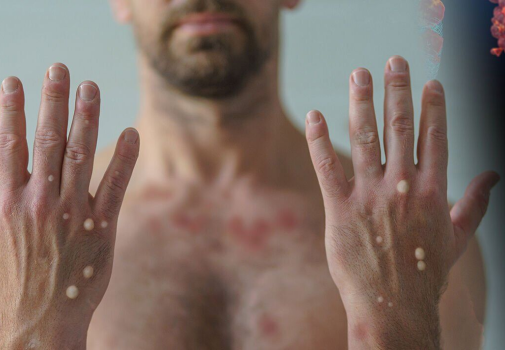
What is Monkey pox? Monkeypox, also known as Mpox, is a rare viral disease that presents itself with symptoms similar to those of smallpox, although less severe. It was first discovered in 1958 when outbreaks of a pox-like disease occurred among monkeys kept for research. The first human case was reported in 1970 in the Democratic Republic of Congo. In recent years, it has caused sporadic outbreaks in humans in parts of Africa.

What Causes Monkeypox?
Monkeypox is an infectious disease caused by the monkeypox virus. It’s an orthopoxvirus, a genus of viruses that also includes smallpox and cowpox. The virus is mainly transmitted to humans from animals, particularly rodents and primates. Direct contact with an infected animal’s blood, body fluids, or cutaneous/mucosal lesions of an infected person can result in transmission of the disease.
Symptoms of Monkeypox
The symptoms of monkeypox infection are similar to but milder than smallpox. The illness begins with fever, headache, muscle aches, and exhaustion. A rash develops, often beginning on the face and then spreading to other parts of the body. The rash changes and goes through different stages before finally forming a scab, which later falls off.
The rash initially looks like pimples or blisters and can be painful or itchy. Other symptoms can include fever, chills, and swollen lymph nodes.
The primary symptoms of monkeypox include:
- Fever
- Headache
- Muscle aches
- Exhaustion
- Rash, which starts on the face and then spreads to other parts of the body
- Pimples or blisters that can be painful or itchy
- Chills
- Swollen lymph nodes
Diagnosis and Treatment
Diagnosis of monkeypox is based on the patient’s clinical presentation and history, particularly any history of exposure to animals in areas where monkeypox is endemic. Laboratory testing can confirm the diagnosis.
There is no specific treatment for monkeypox. However, the symptoms can be managed and relieved with medication. Smallpox vaccine, antivirals, and vaccinia immune globulin can also be used to control the spread of monkeypox.

How Does Monkeypox Spread?
Monkeypox primarily spreads through close contact with infected animals or humans. The virus can jump from animals to humans when a person comes into contact with an infected animal’s blood, body fluids, or lesions on the skin or mucous membranes. Once the virus has made this interspecies jump, human-to-human transmission can occur through respiratory droplets during prolonged face-to-face contact with someone else, or through touching items that have been contaminated with the virus—such as linens and clothing. In addition, the virus can be passed from mother to fetus via the placenta or through close contact during and after birth. While not as contagious as some other viruses, monkeypox requires direct contact for transmission, emphasizing the importance of hygiene and precautionary measures in preventing the spread.
Prevention
Preventing monkeypox relies heavily on education about the risk factors and measures that can be taken to reduce exposure to the virus. This includes avoiding contact with animals that could harbor the virus, especially in areas where a high risk of monkeypox is found.
Complications of Monkeypox
While many individuals who contract monkeypox recover without needing hospitalization, the disease can lead to serious complications in some cases. Complications are more common in individuals with weakened immune systems and can include secondary infections, pneumonia, sepsis, encephalitis (an inflammation of the brain), and corneal infections that could result in loss of vision. Additionally, the rash associated with monkeypox, which covers large areas of the body and can be intensely painful or itchy, may leave permanent scars or cause changes in skin pigmentation. Pregnant women infected with monkeypox have a higher risk of miscarriage, stillbirth, or congenital monkeypox (the virus being transmitted from infected animal to the mother to the fetus). Therefore, it is essential to seek medical care if you experience symptoms of monkeypox or have been in close contact with an infected individual.
When to Visit an Urgent Care with Monkeypox
If you suspect you might have contracted monkeypox, it’s critical to understand when an immediate visit to urgent care or a healthcare provider is necessary. Seek medical attention immediately if you experience severe symptoms such as high fever, difficulty breathing, or if the rash spreads rapidly and becomes extremely painful. Additionally, individuals with underlying health conditions that may compromise their immune system should consult healthcare services promptly upon noticing the initial symptoms of monkeypox. It’s essential to call ahead and inform the health care professional at the healthcare facility of your symptoms to ensure they can prepare for your visit safely and prevent the spread of the virus to others.

In conclusion, Monkeypox, while rare, is a serious and potentially deadly disease. It’s essential to understand the symptoms of mpox, how it spreads, and how to prevent it to protect yourself and those around you from this infectious disease.
If you’re in need of urgent care in New York, don’t hesitate to visit Centers Urgent Care. Our experienced providers offer fast, accurate diagnoses and effective treatments for a wide range of urgent care needs.
Contact us today to schedule an appointment or learn more about our services!
2025 has changed my life. I never believed I would be cured by a spell caster who specializes in herbal cure and magical spells. I am talking about the help Doctor Odunga gave to me. I have been cured of herpes HPV which has plagued me for over 2 years. I am very happy to tell others that if you want to be cured or get your ex back spells and get pregnant naturally, even financial blessing through lottery, there is only one place to be and that is with Dr Odunga Spell Temple. Am so happy that just 3 days after taking DR ODUNGA Herbal treatments my herpes was cured permanently. DR ODUNGA also have cure to #HIV #Diabetes #Lupus #Tinnitus #Fibroid #Cancer #Hepatitis B, #Syphilis #Infertility etc … If you have this ailment or whatsoever you might be suffering from you should contact him at his EMAIL: odungaspelltemple@gmail.com OR VIA Whats App +2348167159012