



















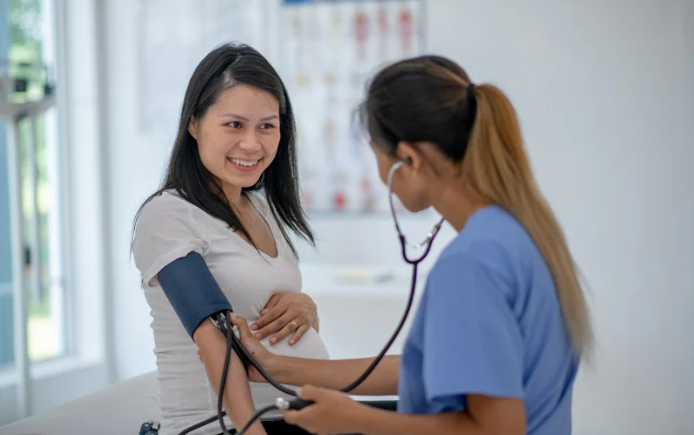
To grasp the significance of blood pressure, it’s essential to recognize its crucial role in maintaining overall health and well-being. Various factors can impact blood pressure, making it a vital indicator of one’s cardiovascular health.
Table of Contents
ToggleImportance of Blood Pressure
Blood pressure is a key metric that reflects the force of blood against the walls of arteries as the heart pumps. It provides valuable insights into the efficiency of cardiovascular function and the circulation of oxygen and nutrients throughout the body. Monitoring blood pressure regularly is fundamental in assessing heart health and identifying potential risk factors for cardiovascular diseases.
Factors Affecting Blood Pressure
Several factors influence blood pressure levels, including age, gender, genetics, lifestyle choices, and underlying health conditions. Normal blood pressure ranges vary across different age groups and genders, emphasizing the significance of considering these factors when evaluating blood pressure readings.
Understanding how age impacts blood pressure is crucial, as ideal blood pressure levels can differ from newborns to older adults. Gender differences also play a role in determining normal blood pressure values throughout various life stages. By analyzing blood pressure charts that detail the average levels by age and gender, individuals can gain valuable insights into what constitutes healthy blood pressure for their specific demographic.
High blood pressure, particularly levels exceeding 130/80 mm Hg, poses serious health risks, including an increased likelihood of stroke and other cardiovascular complications. Maintaining optimal blood pressure levels is essential in reducing the risk of cardiovascular diseases and promoting overall well-being.
Understanding the importance of blood pressure and the factors that influence its readings, individuals can proactively monitor their cardiovascular health and take preventive measures to safeguard against potential health risks associated with high blood pressure. Regular screenings, lifestyle modifications, and adherence to preventive measures are key components in managing and maintaining healthy blood pressure levels.
Normal Blood Pressure Ranges
In the realm of health and wellness, understanding normal blood pressure values is vital for maintaining overall well-being. The normal blood pressure ranges can vary based on age, and considerations are taken for both genders. Let’s dig into age and gender variances in normal blood pressure and explore blood pressure charts that provide a comprehensive overview of healthy blood pressure readings.

Age and Gender Variances
Normal blood pressure is intricately linked to age, with levels differing from infancy to older adulthood. Gender differences are also factored into determining normal blood pressure levels across the lifespan. It’s essential to monitor blood pressure regularly and be aware of the optimal ranges based on your age group and gender.
Age Group | Systolic (mm Hg) | Diastolic (mm Hg) |
Newborn | 60-70 | 35-45 |
Infancy | 85-90 | 55-65 |
Childhood | 90-110 | 60-75 |
Adolescence | 110-130 | 65-80 |
Adulthood | Lesser than 120 | Lesser than 80 |
Older Adults | Slightly higher | Slightly higher |
Blood Pressure Charts
Blood pressure charts serve as valuable tools in understanding and tracking normal blood pressure levels. They provide a visual representation of healthy blood pressure ranges across different age groups and help individuals assess their cardiovascular health. By referring to these charts, individuals can compare their blood pressure readings to the recommended values and take proactive steps toward maintaining optimal heart health.
Consulting blood pressure charts tailored to age and gender considerations, individuals can stay informed about what constitutes normal blood pressure levels throughout various life stages. Regular monitoring and awareness of one’s blood pressure status can aid in the early detection of any deviations from the norm and lead to timely intervention to preserve cardiovascular health.
Implications of High Blood Pressure
High blood pressure poses significant health risks and understanding the symptoms and warning signs is crucial for timely intervention and management.

Maintaining healthy blood pressure levels is imperative in reducing the likelihood of developing these serious health conditions.
Symptoms and Warning Signs
Identifying high blood pressure in its early stages can be challenging as it may not present noticeable symptoms, particularly in women. However, some individuals may experience symptoms such as:
- Headaches
- Shortness of breath
- Nosebleeds
- Dizziness
- Chest pain
It’s important to note that these symptoms can also be indicative of other underlying health issues, underlining the necessity of regular blood pressure monitoring to detect any abnormalities early on.
Consistent high blood pressure can progress into hypertension if left unmanaged, emphasizing the need for awareness surrounding blood pressure readings and their implications. Recognizing the significance of maintaining normal blood pressure ranges becomes essential in preventing the escalation of high blood pressure-related health risks.
Women and Blood Pressure
In exploring the connection between women and blood pressure, it is essential to consider specific gender considerations and the impact of menopause on blood pressure levels.
Gender Considerations
Gender differences play a significant role in determining normal blood pressure levels throughout a person’s lifetime. While high blood pressure is not directly related to gender, women are as likely as men to develop high blood pressure at some point in their lives. However, factors such as pregnancy, birth control methods, body changes during menopause, being overweight or obese, a family history of high blood pressure, and reaching menopausal age can contribute to the development of high blood pressure in women.
It is crucial for women to stay vigilant about monitoring their blood pressure regularly, especially during significant life changes like pregnancy, menopause, and post-menopausal stages. By understanding these gender-specific factors and their impact on blood pressure, women can take proactive steps to maintain their cardiovascular health.
Impact of Menopause
Menopause, a natural biological process that marks the end of a woman’s menstrual cycle, can have a notable impact on blood pressure levels. As women age and go through menopause, changes in hormone levels and body composition can influence their risk of developing high blood pressure.
During this stage, fluctuations in estrogen levels may lead to alterations in blood vessel functioning and increased vascular resistance, potentially contributing to elevated blood pressure. Additionally, factors like weight gain and changes in body fat distribution that often accompany menopause can further exacerbate the risk of hypertension.
Women approaching or experiencing menopause should be aware of these physiological changes and their potential effects on blood pressure. Adopting a healthy lifestyle, including regular exercise, a balanced diet, stress management techniques, and appropriate medical monitoring, can help mitigate the impact of menopause on blood pressure and promote overall well-being.
Understanding the gender-specific considerations and the influence of menopause on blood pressure empowers women to make informed decisions about their health and take proactive measures to safeguard their cardiovascular wellness. Regular blood pressure monitoring, lifestyle modifications, and consultation with healthcare providers are essential components of maintaining optimal blood pressure levels throughout different stages of a woman’s life.

Managing Blood Pressure
Proactively managing blood pressure is essential for overall health and well-being, especially considering the potential risks associated with high blood pressure. By incorporating lifestyle choices and preventive measures, individuals can take control of their blood pressure levels and reduce the likelihood of developing hypertension.
Lifestyle Choices
Healthy lifestyle habits play a significant role in maintaining normal blood pressure levels and promoting cardiovascular health. Here are some lifestyle choices that can positively impact blood pressure:
Lifestyle Choice | Impact on Blood Pressure |
Balanced Diet | Consuming a diet rich in fruits, vegetables, whole grains, and lean proteins can help regulate blood pressure. Limiting sodium, processed foods, and added sugars is crucial in managing blood pressure. |
Regular Exercise | Engaging in physical activity for at least 150 minutes per week can lower blood pressure and improve overall heart health. Activities like brisk walking, cycling, or swimming can be beneficial. |
Weight Management | Maintaining a healthy weight and body mass index (BMI) can reduce the strain on the heart and blood vessels, lowering the risk of high blood pressure. |
Adopting these lifestyle choices can have a positive impact on blood pressure and contribute to a healthier cardiovascular system.
Preventive Measures
Preventive measures are key in protecting against the onset of high blood pressure and its associated health risks. By incorporating these preventive strategies, individuals can safeguard their cardiovascular health:
Preventive Measure | Importance for Blood Pressure |
Regular Monitoring | Monitoring blood pressure regularly, especially for individuals at risk, can help detect early signs of hypertension and allow for timely intervention. Home blood pressure monitors are valuable tools for tracking blood pressure levels. |
Stress Management | Chronic stress can contribute to high blood pressure. Implementing stress-reducing techniques such as mindfulness, yoga, or meditation can help lower stress levels and support healthy blood pressure. |
Limiting Alcohol and Tobacco | Excessive alcohol consumption and smoking are linked to high blood pressure. Moderating alcohol intake and quitting smoking can significantly reduce the risk of hypertension. |
Incorporating preventive measures into daily routines and prioritizing heart-healthy practices, individuals can actively manage their blood pressure and reduce the likelihood of developing hypertension. Regular medical check-ups and consultations with healthcare providers can also provide valuable insights and guidance on maintaining optimal blood pressure levels.

Pregnancy and Blood Pressure
During pregnancy, it is important to be aware of the potential risks related to blood pressure changes. Pregnancy can expose women to high blood pressure, as the physiological changes that occur during this time can unmask preexisting high blood pressure or lead to a specific condition known as preeclampsia.
Pregnancy Risks
Women who experience high blood pressure during pregnancy may be at risk of complications such as preterm birth, low birth weight in the baby, and maternal organ damage. It is crucial for pregnant women to monitor their blood pressure regularly and seek medical attention if any abnormalities are detected.
Preeclampsia Concerns
Preeclampsia is a serious condition characterized by high blood pressure and damage to other organ systems, most often the liver and kidneys. It usually occurs after 20 weeks of pregnancy and can lead to life-threatening complications for both the mother and the baby if left untreated. Symptoms of preeclampsia may include high blood pressure, swelling of the hands and face, and protein in the urine.
Blood Pressure Category | Systolic (mm Hg) | Diastolic (mm Hg) |
Normal | Lesser than 120 | Lesser than 80 |
Elevated | 120-129 | Lesser than 80 |
High Blood Pressure Stage 1 | 130-139 | 80-89 |
High Blood Pressure Stage 2 | 140 or higher | 90 or higher |
Hypertensive Crisis | Higher than 180 | Higher than 120 |
Pregnant women should be vigilant about their blood pressure levels and attend regular prenatal check-ups to monitor any changes. Proper management and early intervention can help mitigate the risks associated with high blood pressure during pregnancy and ensure the well-being of both the mother and the baby. If you’re looking for the best urgent care in NYC, Centers Urgent Care offers fast, high-quality services for both children and adults. Contact us today for compassionate and expert care to keep you and your family healthy.
Sources:
2025 has changed my life. I never believed I would be cured by a spell caster who specializes in herbal cure and magical spells. I am talking about the help Doctor Odunga gave to me. I have been cured of herpes HPV which has plagued me for over 2 years. I am very happy to tell others that if you want to be cured or get your ex back spells and get pregnant naturally, even financial blessing through lottery, there is only one place to be and that is with Dr Odunga Spell Temple. Am so happy that just 3 days after taking DR ODUNGA Herbal treatments my herpes was cured permanently. DR ODUNGA also have cure to #HIV #Diabetes #Lupus #Tinnitus #Fibroid #Cancer #Hepatitis B, #Syphilis #Infertility etc … If you have this ailment or whatsoever you might be suffering from you should contact him at his EMAIL: odungaspelltemple@gmail.com OR VIA Whats App +2348167159012