























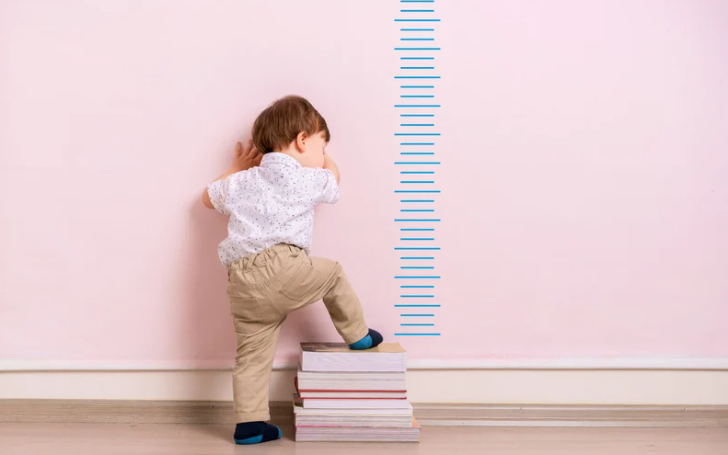
As parents and caregivers, one of the most crucial concerns for a toddler’s growth is ensuring they maintain a healthy weight. During the toddler years, from ages 1 to 3, children undergo rapid physical development. They experience significant changes in their body composition, energy needs, and growth patterns. This is why understanding the normal weight range for toddlers can be invaluable for promoting optimal health and development. Just as a DOT Physical ensures the health and well-being of adults, understanding your toddler’s weight can be equally important for their overall development.
In this article, we will explore the typical weight ranges for toddlers, factors that influence their growth, how to track weight, and when to consult a healthcare provider.
Table of Contents
ToggleTypical Weight Range for Toddlers
The normal weight range for toddlers can vary widely due to factors such as genetics, nutrition, and overall health. However, medical professionals use growth charts to track the typical weight development during early childhood.
Age 1 to 2: Early Toddlerhood
At the age of 1, toddlers typically weigh around 22 to 30 pounds. At this stage, their rate of growth slows slightly compared to infancy, but it remains quite rapid. By 2 years old, toddlers may weigh between 25 to 35 pounds, depending on their individual growth patterns.
Age 2 to 3: Advancing Toddlerhood
Between ages 2 and 3, toddlers grow more steadily, with a slower weight gain compared to the previous years. Most children in this range will weigh around 28 to 38 pounds by the age of 3. This is the time when they begin developing a more balanced, less chubby appearance as muscle mass increases and fat deposits decrease.
It’s important to note that weight can vary by child and still be considered healthy. As long as a child is consistently following their growth curve, there’s no need to worry if they fall slightly outside the average weight range for their age.
Factors Affecting Toddler Weight
Several factors influence the weight of toddlers, which can cause natural variation in their growth patterns. While genetics play a significant role in determining a child’s weight, other elements also come into play.
Genetics
A toddler’s weight is often influenced by the genetic traits inherited from their parents. Children of taller or larger parents may naturally fall at the higher end of the weight range, while those with smaller parents may fall at the lower end. It is essential to monitor their growth trends rather than focusing solely on specific weight milestones.
Nutrition
A toddler’s diet plays a critical role in their growth. Providing a balanced, nutritious diet rich in fruits, vegetables, lean proteins, and whole grains can ensure that toddlers gain weight steadily and healthily. On the other hand, nutrient deficiencies or excessive consumption of unhealthy foods can affect growth rates and overall well-being.
Physical Activity
As toddlers become more active, they burn more calories. Encouraging physical activity through play, walking, and exploration helps maintain a healthy weight and supports physical development. If a toddler becomes sedentary or spends too much time in front of screens, this may contribute to unhealthy weight gain.
Sleep Patterns
Adequate sleep is essential for a toddler’s growth and weight management. Poor sleep habits or sleep deprivation can lead to disruptions in appetite regulation and growth. Ensure that toddlers are getting the recommended amount of sleep for their age, typically around 12-14 hours each day.

Medical Conditions
Certain medical conditions can influence a toddler’s growth patterns. For instance, hypothyroidism can result in slow growth, while conditions like celiac disease or gastrointestinal issues can interfere with nutrient absorption, affecting weight gain. If a toddler’s weight is deviating from expected patterns, it’s important to discuss these concerns with a pediatrician.
How to Track Toddler Growth
Monitoring a toddler’s weight should be done regularly to ensure that they are growing at a healthy pace. Pediatricians typically track weight, height, and head circumference during routine check-ups to ensure children follow an appropriate growth trajectory.
Using Growth Charts
Growth charts are the primary tool used by healthcare providers to assess a toddler’s growth. These charts plot a child’s weight and height against the average growth patterns of children of the same age and sex. It is normal for children to fluctuate in their percentile rankings as they grow, but as long as they remain on a consistent growth path, there is typically no cause for concern.
Percentiles and Growth Patterns
Growth charts use percentiles to represent how a child’s measurements compare to those of other children their age. For example, if a toddler is in the 50th percentile for weight, it means that their weight is average compared to other children of the same age. Percentiles are helpful tools for assessing a child’s growth over time, but they are only part of the picture. It’s important to focus on overall trends rather than a single measurement.
Regular Pediatric Check-ups
Routine visits to the pediatrician are essential for ensuring that a toddler is growing normally. These visits allow healthcare providers to track weight and other vital growth indicators while also assessing other aspects of health, such as motor skills, cognitive development, and emotional well-being.
Signs of Healthy Weight Gain
Healthy weight gain in toddlers involves more than just the number on the scale. Here are some key signs that a toddler’s weight gain is on track:
Steady Weight Progression
While there may be some fluctuation in a toddler’s weight from month to month, the key indicator of healthy growth is steady progression over time. If a toddler’s weight drops significantly or rises too quickly, it may be an indication of an underlying issue.
Proportionate Growth
Weight gain should occur alongside height and head circumference growth. If a toddler gains weight but isn’t growing taller or their head circumference remains the same, it may warrant further evaluation by a healthcare provider.
Energy and Activity Levels
A well-fed and well-growing toddler typically has high energy levels and is active during playtime. If a toddler is sluggish or seems uninterested in physical activity, it may be worth discussing their diet and health with a pediatrician.
When to Seek Medical Advice
While most toddlers fall within the normal weight range, there are situations in which parents should seek medical advice. If a child shows signs of excessive weight gain or poor weight gain, it’s crucial to consult with a healthcare provider.

Tips for Ensuring Healthy Weight Gain in Toddlers
There are several strategies parents can implement to ensure their toddler gains weight in a healthy and balanced manner. These tips can promote healthy habits and ensure optimal development.
Offer Balanced Meals
Toddlers need a well-rounded diet to support growth. Offering meals that include a variety of foods—fruits, vegetables, proteins, and grains—will help them obtain the necessary vitamins and minerals for growth. It’s important to provide meals that are nutrient-dense rather than simply calorie-dense.
Encourage Physical Activity
Toddlers should be given plenty of opportunities to be active. Encourage playtime, walks, or even toddler-friendly sports to help them build muscle and stay active. Physical activity also promotes better sleep patterns and healthy weight gain.
Monitor Portion Sizes
While toddlers need ample calories for growth, portion control is important to avoid overeating. Offering age-appropriate portion sizes and encouraging regular meals and snacks can help regulate calorie intake. Avoid forcing toddlers to finish everything on their plate if they aren’t hungry.
Focus on Healthy Fats
Healthy fats, such as those from avocados, nuts, and olive oil, are crucial for brain development and overall health. Including these in a toddler’s diet can promote healthy weight gain without contributing to excessive fat accumulation.
Create a Positive Mealtime Environment
To encourage healthy eating habits, create a positive and relaxed mealtime environment. Avoid distractions like screens and allow your toddler to enjoy their meals in a calm, pleasant setting. This can help them develop a positive relationship with food.
Understanding the normal weight range for toddlers is essential for monitoring their growth and development. While weight can vary from child to child, steady growth, proper nutrition, and regular physical activity are all critical for promoting optimal health. If you have concerns about your toddler’s weight, always consult with a healthcare provider to ensure they are on the right track.
Offering balanced meals, encouraging physical activity, and fostering a positive eating environment are essential to helping your toddler maintain a healthy weight that supports their overall development. It’s important to monitor their growth and ensure they’re reaching appropriate milestones. If you ever have concerns about your child’s health or growth, Centers Urgent Care provides fast, high-quality urgent care services for both children and adults. Contact us today and visit us at our urgent care center in NYC to learn more about how we can support your family’s health!
Sources:
- https://www.babycenter.com/baby/baby-development/average-weight-and-growth-chart-for-babies-toddlers-and-beyo_10357633
- https://www.siloamhospitals.com/en/informasi-siloam/artikel/the-ideal-body-weight-for-toddlers-and-preschoolers-aged-15
- https://www.healthline.com/health/parenting/average-baby-weight
2025 has changed my life. I never believed I would be cured by a spell caster who specializes in herbal cure and magical spells. I am talking about the help Doctor Odunga gave to me. I have been cured of herpes HPV which has plagued me for over 2 years. I am very happy to tell others that if you want to be cured or get your ex back spells and get pregnant naturally, even financial blessing through lottery, there is only one place to be and that is with Dr Odunga Spell Temple. Am so happy that just 3 days after taking DR ODUNGA Herbal treatments my herpes was cured permanently. DR ODUNGA also have cure to #HIV #Diabetes #Lupus #Tinnitus #Fibroid #Cancer #Hepatitis B, #Syphilis #Infertility etc … If you have this ailment or whatsoever you might be suffering from you should contact him at his EMAIL: odungaspelltemple@gmail.com OR VIA Whats App +2348167159012