


















Table of Contents
ToggleWellness Tips from Josef Schenker, MD
Welcome to our Wellness Tips blog series, brought to you by Dr. Josef Schenker, the Medical Director at Centers Urgent Care. In this series, Dr. Schenker shares his extensive knowledge and experience in internal medicine and emergency medical services, including runner’s knee treatment and prevention, to help you lead a healthier life.
Dr. Schenker will cover a range of crucial health topics, offering expert advice on how to avoid common ailments. With a focus on prevention and practical tips, each blog post is designed to empower you with the information you need to make informed decisions about your health and well-being.
Runner’s Knee Treatment and Prevention for Active Adults
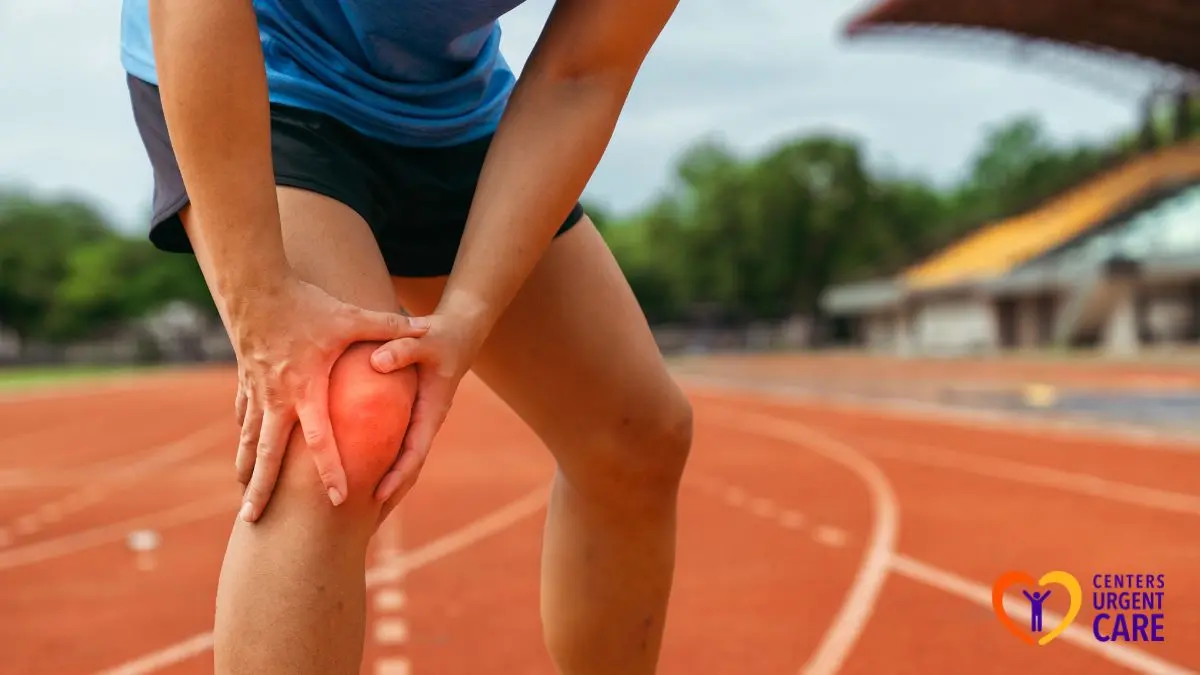
Runner’s knee treatment starts with knowing why pain shows up around or behind the kneecap. Runner’s knee, or patellofemoral pain syndrome, is a common cause of front knee pain in active people. One large review found yearly rates of 22.7% in the general population and 28.9% in adolescents. Dr. Josef Schenker says early care, activity changes, and the right strengthening plan can ease pain and help keep it from coming back.
Dr. Josef Schenker Explains the Symptoms of Runner’s Knee
Runner’s knee symptoms usually build over time instead of starting with one clear injury. Dr. Josef Schenker says many people first notice a dull ache at the front of the knee after running, climbing stairs, or sitting too long. Because the pain can start small, it is easy to brush off until everyday movement starts to hurt, and same-day sports injury care starts to feel necessary. Common signs include:
- Pain Around Or Behind The Kneecap. The pain is usually felt at the front of the knee, often around or behind the kneecap. It may start as a dull ache and get sharper with use.
- Pain During Or After Running. Running often makes it worse, especially after hills, speed work, or a sudden jump in mileage.
- Pain With Stairs, Squats, Or Lunges. These movements put more pressure on the kneecap and can bring on pain fast.
- Pain After Sitting Too Long. Sitting through a movie, a long drive, or a work shift can make the knee ache when you stand up.
- Clicking, Grinding, Or A Puffed-Up Feeling. Some people notice mild swelling, grinding, or a feeling that the knee is irritated after activity.

What Is Runner’s Knee?
Runner’s knee is a general term for pain in the front of the knee or around the kneecap. Dr. Josef Schenker explains that the condition itself is called patellofemoral pain syndrome. It is not limited to runners. It can affect anyone who puts repeated stress on the knee, including walkers, athletes, gym-goers, and people who squat a lot at work. Here is what that usually means:
- It Often Comes From Repeated Stress. It is usually linked to overuse, training mistakes, muscle weakness, or movement patterns that put extra pressure on the kneecap joint. It is often not caused by one clear injury.
- Pain Often Shows Up When The Knee Bends. The pain tends to get worse during running, stairs, squats, or long periods of sitting with the knee bent.
- It Is Common In Active People. Patellofemoral pain syndrome is one of the most common knee problems in sports medicine. One review found it made up 15.8% of running-related injuries.
- It Can Last If You Ignore It. Front knee pain does not always go away fast. Some people experience improvements within weeks to months, while others may deal with symptoms for years or repeated flare-ups.
Can You Prevent Runner’s Knee?
Runner’s knee can often be prevented, though no plan can remove all risk. In most cases, prevention means keeping strain on the kneecap in check and building enough strength to handle your activity. Common risk factors include:
- Training Changes That Happen Too Fast. A sudden jump in mileage, speed, hills, or workout days can overload the knee.
- Weak Hip And Thigh Muscles. Weak hips and quads can change how the leg moves and put more stress on the kneecap.
- Not Enough Recovery. Hard workouts without enough rest can keep the knee irritated. Sleep, rest days, and lighter sessions help.
- Too Much Hard Running. Running hard every session or doing hills too often can add extra stress to the knee.
- Not Enough Strength Work. The CDC advises adults to do muscle-strengthening activity at least 2 days a week. That supports joint and muscle health and can help lower the risk of runner’s knee.
How Long Does Runner’s Knee Last?
Runner’s knee can last a few days, a few weeks, or much longer. It depends on how irritated the knee is and whether you keep doing the activity that caused the pain. Josef Schenker, MD notes that recovery is usually faster when you deal with the pain early instead of pushing through it for months. A simple timeline looks like this:
- Mild Cases. Mild pain may settle within days to a few weeks if you cut back on running, avoid painful movements, and start strength work early.
- Moderate Cases. Pain that has been building for a while often takes several weeks to a few months to improve.
- Long-Lasting Cases. Some people keep having flare-ups. One NIH review found that about half improve within weeks to months, while others may have pain for years.
- Cases That Need A Medical Check. Major swelling, locking, trouble bearing weight, or the knee giving out can point to a different problem.

Josef Schenker, MD, Explains Runner’s Knee Treatment and Prevention
Runner’s knee treatment usually does not involve surgery. Josef Schenker says the goal is to calm the pain, reduce stress on the joint, and build strength so the knee can handle activity again. Treatment often works best when you combine a few simple steps instead of looking for a single fast fix. Common treatment steps include:
- Cut Back On Pain Triggers. Reduce running distance, hills, speed work, deep squats, or other movements that bring on pain.
- Use Ice After Activity. Ice may help with pain and mild swelling when the knee feels irritated.
- Start Strength Work. Strengthening the hip and knee muscles can help improve support around the joint.
- Stretch Tight Muscles. Tight calves, hamstrings, quads, and hips can add to tendon pain and change how the knee handles load.
- Return To Running Gradually. A slow build is safer than jumping back into your old mileage too soon.
- Use Pain Relief Carefully. NSAIDs like ibuprofen or naproxen may help reduce pain and swelling for some people.
- Get Checked If Pain Does Not Improve. Ongoing pain may need an exam or an on-site X-ray to rule out other causes of front knee pain.
How to Help Prevent Runner’s Knee
Preventing runner’s knee is usually about keeping stress on the knee from building up too fast. A few simple habits can go a long way before pain starts.
- Build Up Slowly. Big jumps in distance, pace, or hills can overload the kneecap area. Gradual increases are easier on the knee.
- Do Strength Work Twice A Week. Hip, glute, quad, and core exercises help the leg handle force better.
- Keep Easy Days Easy. Hard running every day gives the knee less time to recover.
- Warm Up Before Workouts. A short warm-up can help the knee feel looser before exercise.
- Check Your Shoes. Worn-out or poor-fitting shoes can add to knee pain and raise ankle sprain risk during heavier training.
- Avoid Changing Too Much At Once. More mileage, faster runs, hills, and new shoes all in the same week can be too much for the knee.
- Pay Attention To Early Pain. Pain in the front of the knee during runs, stairs, or long sitting is a sign to adjust training early.
- Use Lower-Impact Exercise When Needed. Cycling, swimming, or similar exercise can help you stay active while giving the knee a break.

What to Do if Someone Has Runner’s Knee
The first step is to take pressure off the knee so it can calm down. Josef Schenker advises not to brush off front knee pain that keeps showing up with stairs, squats, or running. Early care is often easier than dealing with pain that drags on. Helpful first steps include:
- Cut Back On Painful Activity. Stop the workout or scale it down. You do not need full bed rest, but you should stop movements that clearly bring on pain.
- Ice The Knee After A Flare. A cold pack for 15 to 20 minutes can help with soreness after activity. Put a cloth between the ice and your skin.
- Avoid Deep Knee Bending For A Few Days. Deep squats, lunges, and lots of stair use can keep the area irritated.
- Start Gentle Strength Work. Once the sharp pain settles, simple exercises for the quads, hips, and glutes can help.
- Watch For Warning Signs. Get checked sooner for urgent injury care if you have major swelling, fever, locking, a fall or twist injury, trouble bearing weight, or a knee that keeps giving out.
- Return To Activity Slowly. When pain starts to ease, build back in steps. Going right back to your usual mileage can bring the pain back.
Mild runner’s knee may improve with rest, activity changes, and strength work. Pain that keeps going, gets worse, or feels different from a usual overuse flare should be checked by a medical provider. Centers Urgent Care can assess knee pain, rule out other injuries, and help with next steps when the pain is too hard to ignore.
Josef Schenker, MD, Answers Frequently Asked Questions:
Can runner’s knee heal on its own?
Runner’s knee can get better on its own if it is mild and the knee gets enough rest. Still, many people need strength work and changes in activity, because the pain often comes back when the real cause, like overuse or weak muscles, is not addressed.
Should I keep running with runner’s knee?
Running with runner’s knee depends on how much it hurts and how your knee feels after activity. If the pain is mild and goes away quickly, you may still be able to do less running. If the pain gets worse during a run or stays after, your knee likely needs rest and a gentler plan.
What exercises help runner’s knee?
- Start with quad strengthening. Straight-leg raises and controlled knee extensions can help.
- Add hip work. Side-lying leg raises, bridges, and clamshells target weak hip muscles.
- Use the step work carefully. Low step-downs can build control.
- Progress slowly. Pain should stay manageable during and after exercise.
How do I know if knee pain is runner’s knee or something more serious?
Runner’s knee usually causes pain around or behind the kneecap. It often gets worse with running, going up or down stairs, squatting, or sitting too long. A more serious problem may be more likely if the knee is very swollen, locks, gives out, feels unstable, comes after a twist or fall, or you cannot put weight on it.
When should I go to urgent care for runner’s knee?
Urgent care is a good idea if the knee pain is severe, the swelling is easy to see, walking is hard, or the pain started after a fall or twist. It also helps to get checked if the pain keeps getting worse, the knee locks, or if rest and home care are not helping.

Stop Runner's Knee Early Before It Sidelines Your Training
Runner’s knee treatment works best when you deal with the pain early, cut back on what is making it worse, and build the knee back up with steady strength work. Small training changes and early care can help keep a mild flare-up from turning into a longer problem.
If front knee pain is making it hard to run, climb stairs, or stay active, visit our urgent care center in New York for a prompt evaluation and clear next steps. Dr. Josef Schenker and the team at Centers Urgent Care can check whether it looks like runner’s knee or if another injury may be causing the pain.
We operate across 12 locations in NYC and offer convenient same-day care for patients who need answers without long waits. Locate a Centers Urgent Care near you.

About Josef Schenker, MD:
Dr. Josef Schenker, a board-certified expert in internal medicine and emergency medical services, brings extensive experience and compassion to his role as Medical Director and Partner at Centers Urgent Care. With leadership in SeniorCare Emergency Medical Services and as an Attending Physician at New York-Presbyterian Brooklyn Methodist Hospital, Dr. Schenker oversees critical care and treatment protocols across varied medical needs. His dedication extends to chairing NYC REMAC, ensuring adherence to state standards in emergency medical procedures. At Centers Urgent Care, Dr. Schenker's expertise ensures prompt, high-quality emergency care for patients of all ages, supported by state-of-the-art facilities including a dedicated pediatric suite.