

Internal bleeding is a critical medical condition that can occur without visible external injury, making it particularly dangerous if not promptly recognized and treated. In the United States, gastrointestinal (GI) bleeding alone accounts for over 300,000 hospital admissions annually, highlighting the prevalence and seriousness of internal hemorrhages. In some cases, underlying conditions detected through routine screenings like STD testing can also contribute to certain types of internal bleeding or related complications.
What is Internal Bleeding?
Internal bleeding refers to blood loss that happens within the body. It can result from injuries, medical conditions, or even certain medications. Unlike a visible wound, internal bleeding is often harder to detect, making it crucial to recognize the signs early.
Internal bleeding can occur in various locations, including the brain, abdomen, chest, muscles, and joints. While some cases may be mild and resolve with minimal medical intervention, others can become life-threatening if left untreated.
7 Common Causes of Internal Bleeding
Several factors can lead to internal bleeding, including:
- Ectopic pregnancy – In women, a ruptured ectopic pregnancy (a pregnancy that develops outside the uterus) can cause severe internal bleeding.
- Trauma or injury – Car accidents, falls, or blunt force trauma can rupture blood vessels, leading to internal bleeding in the abdomen, chest, or head.
- Surgical complications – Certain procedures may lead to post-operative internal bleeding if blood vessels are not properly sealed.
- Gastrointestinal (GI) conditions – Ulcers, gastritis, or liver disease can cause bleeding in the digestive tract, leading to dark stools or vomiting blood.
- Aneurysms – Weakened blood vessels can rupture suddenly, leading to life-threatening bleeding, especially in the brain or abdominal area.
- Blood clotting disorders – Conditions like hemophilia or thrombocytopenia can prevent proper clotting, increasing bleeding risk.
- Use of anticoagulant medications – Blood thinners like warfarin and aspirin can increase the likelihood of internal bleeding.
Recognizing the Signs of Internal Bleeding
Early detection of internal bleeding is crucial. Here are key signs to watch for:

Dangerous Complications of Internal Bleeding
If untreated, internal bleeding can lead to severe complications, such as:
- Anemia: Chronic internal bleeding can lead to anemia, resulting in extreme fatigue and weakness.
- Shock: A life-threatening condition where organs don’t receive enough blood, leading to potential failure.
- Organ failure: Prolonged bleeding can cause irreversible damage to vital organs like the brain, liver, kidneys, and heart.
- Coma or death: Significant bleeding in the brain or chest can be fatal if not treated immediately.
Specific Indicators Based on Bleeding Location
The symptoms of internal bleeding can vary significantly depending on its location within the body. Recognizing these specific indicators is essential for prompt diagnosis and treatment.
Head (Intracranial Hemorrhage)
- Severe Headache: A sudden, intense headache can indicate bleeding in the brain.
- Vision Changes: Blurred or double vision may occur.
- Confusion or Disorientation: Difficulty understanding speech or writing.
- Numbness or Weakness: Often affecting one side of the body.
Chest and Abdomen
- Chest Pain: May indicate bleeding within the thoracic cavity.
- Abdominal Pain: Severe pain can suggest gastrointestinal bleeding.
- Shortness of Breath: Due to reduced oxygen transport.
Muscles and Joints
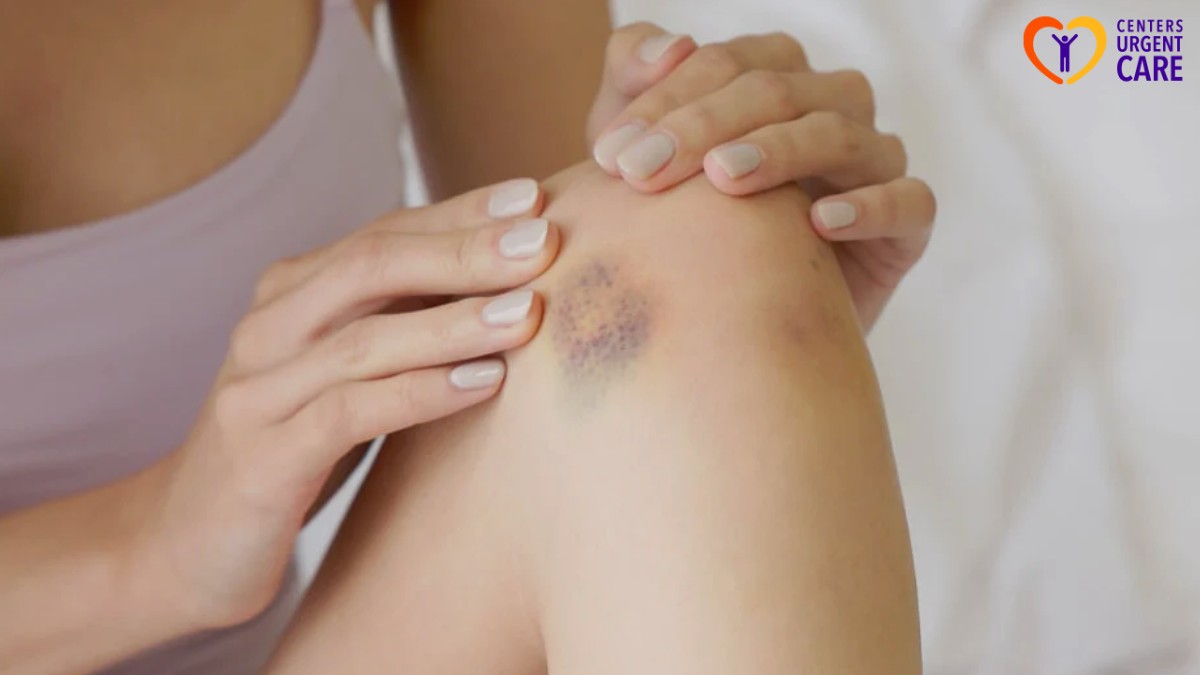
- Joint Pain and Swelling: Bleeding into joints can cause significant discomfort and reduced mobility.
When to Seek Medical Attention
Immediate medical evaluation is crucial if you suspect internal bleeding. Symptoms such as severe pain, dizziness, shortness of breath, or changes in mental status warrant prompt attention. Early intervention can prevent complications and improve outcomes.
5 Treatment Options for Internal Bleeding
Treatment depends on the severity and location of the bleeding:
- Fluid replacement – IV fluids help stabilize blood pressure and prevent shock.
- Blood transfusion – If significant blood loss occurs, transfusions may be necessary to restore normal blood volume.
- Surgical intervention – In severe cases, surgery may be required to stop the bleeding by repairing or sealing damaged blood vessels.
- Medications – Certain drugs can help control bleeding and promote clotting, especially in cases of blood disorders.
- Endoscopic procedures – In cases of gastrointestinal bleeding, endoscopy can be used to cauterize (burn) the bleeding site.
Prompt Care for Internal Bleeding Concerns
If you or a loved one are experiencing signs of internal bleeding, seeking immediate medical attention is essential. Centers Urgent Care offers fast, high-quality urgent care services for both children and adults. Our experienced medical professionals are equipped to diagnose and manage various health concerns promptly.
Visit us for urgent care in NY, where we prioritize your health and provide compassionate, efficient care tailored to your needs. Don’t wait—contact us today and let us help you get the care you deserve.
MY HERPES STORY AND HOW I WAS CURED
For years, I struggled with the emotional and physical burden of the herpes virus, believing I would have to live with it forever. I tried countless treatments, medications, and therapies, but nothing seemed to bring lasting relief. It felt like a battle with no end in sight until I discovered a natural remedy that changed everything (herbs). Skeptical at first, I decided to give it a try, and to my surprise, I started noticing improvements in my overall well-being within two days of taking the medication. With consistency as prescribed by the herbal doctor, I felt healthier, more energized, and free from the symptoms that had once controlled my life. After completing the treatment, (14days) I visited my doctor for confirmation, and I was overjoyed with the results. I tested negative. I was cured from my HSV1&2
This experience has given me back my confidence, peace of mind, and a renewed sense of hope. If you or someone you know is struggling with herpes or other health concerns like HPV, endometriosis, ovarian cysts, PCOS, or hepatitis, know that there are alternative options available and you will be cured. For those seeking a natural approach to wellness, I encourage you to explore this path with an open mind. You never know how life-changing it might be. Just if you want to reach out, you can contact:
Email: dr.awaseherbalhome@gmail.com
WhatsApp: +2349074997110
My spouse has internal bleeding. So far he has been in the hospital 4 days. No answers. MDs are talking about discharging him tomorrow. Why would they do that? What kind of MD should we look for.
Oh he is using a nubulizer at the hospital.hi goes to the ER about every other week is sent home after five days. He had lost several pounds , barely can walk or breath. He is nearly 82. Has HBP. Has had cellulitis. Also a former alcoholic.
My spouse has internal bleeding. So far he has been in the hospital 4 days. No answers. MDs are talking about discharging him tomorrow. Why would they do that? What kind of MD should we look for.
Oh he is using a nubulizer at the hospital.He goes to the ER about every other week is sent home after five days. He had lost several pounds , barely can walk or breath. He is nearly 82. Has HBP. Has had cellulitis. Also a former alcoholic. His cardiologist said his heart needs to closely monitored.