

The early signs of trauma in young children often appear as sudden behavioral changes. These include extreme clinginess, withdrawal, aggression, or regression in developmental milestones. Young children may also express trauma through physical symptoms such as stomachaches or headaches when no medical condition is present. In some cases, a chest X-ray or other diagnostic test may be performed to rule out physical causes, especially when symptoms persist without clear explanation.
Understanding Trauma in Early Childhood
It includes exposure to domestic violence, neglect, or the sudden loss of a caregiver. Because their brains are still developing, young children process trauma differently than older kids or adults. They might not be able to verbalize their feelings, but their bodies and behaviors often reflect distress.
Young children are especially vulnerable because their sense of safety depends entirely on their caregivers. When that safety is threatened—either by direct harm or by witnessing traumatic events—the effects can be long-lasting if not addressed early.
What Behaviors Might Indicate Trauma in Toddlers and Preschoolers?
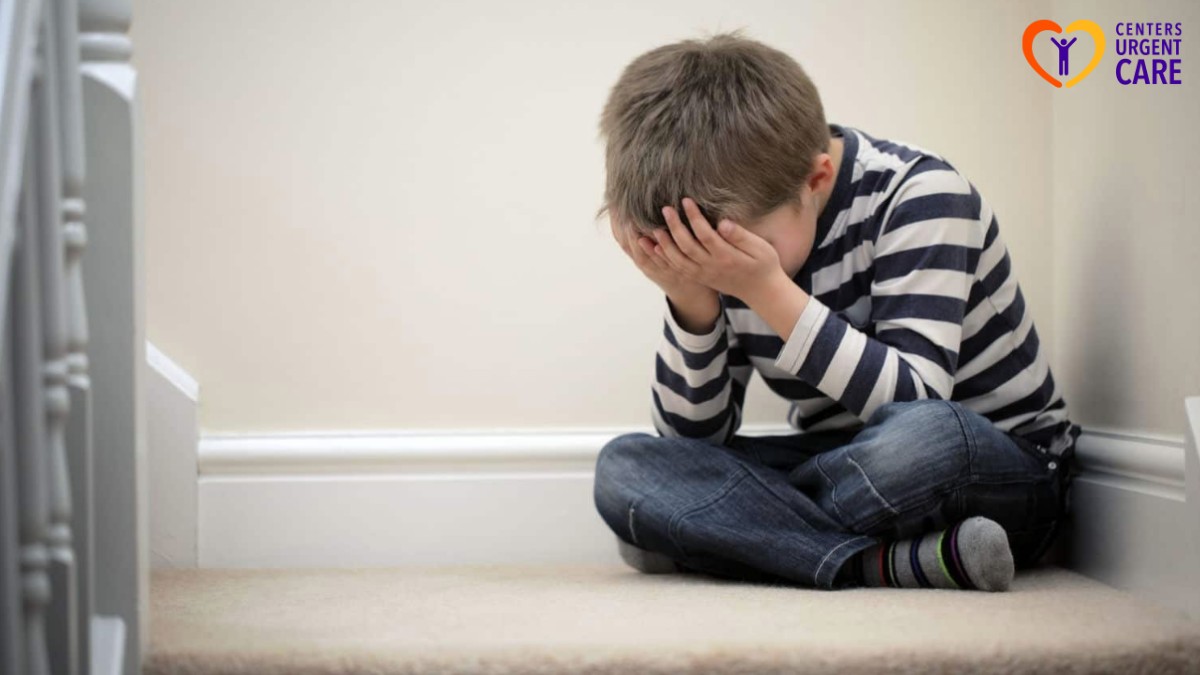
Even if a child seems too young to remember a traumatic experience, the emotional and physical aftermath can linger. Recognizing the signs of trauma in young children means paying close attention to behavior patterns that deviate from what’s developmentally expected.
Behavioral Signs of Trauma:
Children express trauma through their actions more than words.
- Increased aggression or tantrums – Trauma can lower a child’s frustration tolerance, leading to frequent meltdowns.
- Extreme clinginess – If a previously independent child suddenly cannot be away from a caregiver, it may reflect deep fear or insecurity.
- Regressive behaviors – Children may return to thumb-sucking, bedwetting, or baby talk.
- Avoidance and withdrawal – Some kids become quiet, uninterested in play, or socially disconnected.
- Hypervigilance – Constant alertness or exaggerated startle responses could be a signal the child doesn’t feel safe.
Can Trauma in Young Children Cause Physical Symptoms?
Trauma doesn’t just affect emotional wellbeing—it can manifest physically, even when medical tests show no clear cause. Children may not yet have the language to express their emotions, but their bodies will often speak for them.
Common Physical Responses to Trauma:
- Frequent stomachaches or headaches – These often occur without any identifiable illness.
- Appetite changes – Eating too much or too little may signal emotional distress.
- Sleep disturbances – Nightmares, night terrors, or difficulty falling asleep are common.
- Fatigue – Emotional strain can cause persistent tiredness and lack of energy.
These symptoms can be mistaken for typical childhood complaints, which is why it’s critical to consider context. If symptoms coincide with a major life event or emotional disturbance, trauma could be the root cause. Similarly, accurate interpretation of symptoms and underlying factors plays a crucial role in many areas of healthcare, as we explore in our article Serology in Diagnostics: What It Is & Why It Matters.
What Causes Trauma in Young Children?
The sources of childhood trauma are more varied than many people realize. It’s not always caused by direct physical harm. Even witnessing a traumatic event can deeply affect a young child.
Common Causes Include:
- Physical or emotional abuse
- Neglect
- Witnessing domestic violence
- Sudden separation from a caregiver
- Natural disasters or accidents
- Serious illness or hospitalization
- Death in the family
What’s important to understand is that the child’s perception of the event matters more than the event itself. Something that may seem minor to an adult can be overwhelmingly frightening to a child.
How Does Trauma Affect a Child’s Development?
Unchecked trauma can interfere with brain development. It can impact memory, emotional regulation, attention, and even physical growth. In some children, it may lead to long-term conditions such as Post-Traumatic Stress Disorder (PTSD), anxiety, or attachment disorders.
Early trauma may also:
- Hinder language development
- Reduce impulse control
- Lower cognitive performance
- Lead to challenges in forming peer relationships
The earlier trauma is identified and treated, the better the chances of healthy development. Intervention during the early years can prevent trauma from evolving into chronic mental health issues later in life.
How Can Caregivers Help Children Heal from Trauma?
Caregivers play a crucial role in helping children feel safe again. Stability, patience, and professional support are all essential.
Supportive Actions for Caregivers:
- Be predictable – Stick to routines to create a sense of normalcy.
- Validate emotions – Acknowledge the child’s fear or sadness without minimizing it.
- Offer physical comfort – Hugs, hand-holding, and presence can make a big difference.
- Keep communication open – Encourage children to express themselves, even through art or play.
- Avoid harsh discipline – Punishment may worsen feelings of fear or abandonment.
If you’re noticing multiple signs of trauma in your child, or if their behavior changes suddenly and significantly, it’s time to involve professionals. This is especially true if symptoms persist for weeks or interfere with daily life.
When Should You Seek Urgent Care for Trauma-Related Symptoms?
Sometimes, trauma in children escalates into physical symptoms or severe emotional distress that can’t wait for a scheduled pediatric visit. Urgent care centers that specialize in pediatric services can assess whether a child’s symptoms are trauma-related or the result of an underlying medical issue.
Consider seeking urgent care if your child:
- Has ongoing sleep disturbances that leave them exhausted
- Reports frequent unexplained pain (e.g., stomachaches)
- Begins harming themselves or others
- Has stopped eating or is rapidly losing weight
- Becomes completely unresponsive or withdrawn
Timely support can make all the difference. An urgent care provider can rule out physical causes and refer your child for trauma-informed care if necessary.
How is Childhood Trauma Diagnosed and Treated?
Trauma in children is typically diagnosed through a mix of observation, caregiver interviews, and behavioral assessments. Pediatricians may also refer children to child psychologists or trauma specialists.

Care starts with recognizing the signs. From there, the right support network—including urgent care professionals—can help you take the next step.
Get Support Now: Trusted Pediatric Care When It Matters Most
At Centers Urgent Care, we understand how trauma affects children—and how fast it needs to be addressed. If your child is showing signs of trauma or unusual symptoms that concern you, our pediatric-trained team is ready to help. We provide fast, high-quality evaluations and treatment for both physical and behavioral issues in a safe, welcoming environment.
We proudly serve families seeking the best urgent care in NYC with comprehensive services for both children and adults.
Contact us today and let’s take that first step toward healing—together.