

Key Points:
- Urgent care offers confidential, walk-in STD testing with results and treatment options often available the same day.
- Common screenings include chlamydia, gonorrhea, HIV, and syphilis, and treatment may begin immediately if symptoms or risk are high.
- Urgent care is ideal for quick answers, privacy, and starting sexual health care without delay.
Worry after a risky encounter or new genital symptoms can keep anyone awake at night. You might wonder whether to wait for a clinic appointment, order an at-home kit, or walk into urgent care to get answers sooner.
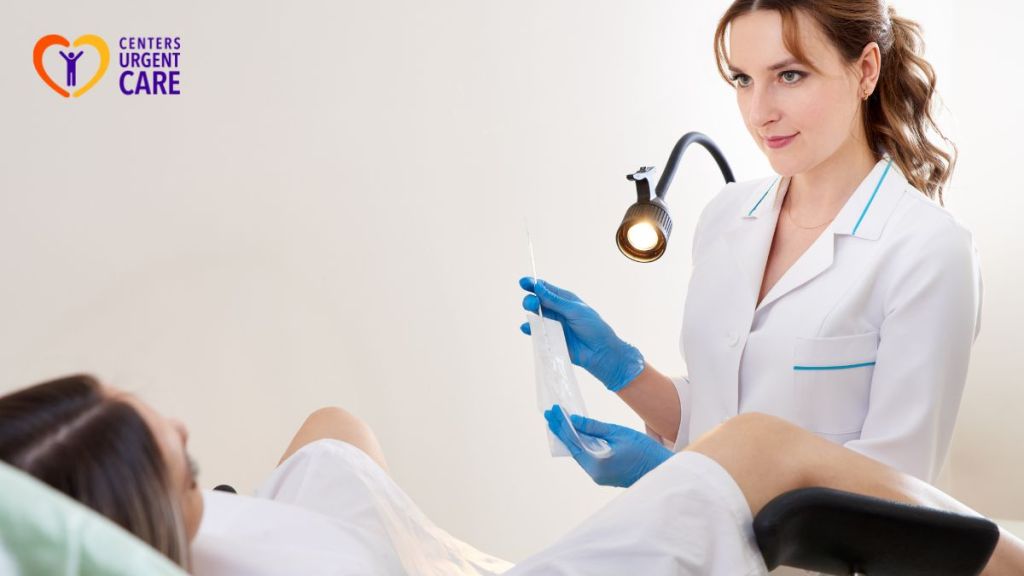
STD testing urgent care visits give you a way to get sexually transmitted disease screening, results, and a treatment plan in one place. Urgent care STD testing services keep everything in a single visit instead of sending you to multiple clinics.
Why Choose Urgent Care for STD Testing and Treatment?
Sexually transmitted infections are common, often silent, and still rising in many areas. Worldwide, there were an estimated 374 million new infections in 2020 with four curable STIs, which equals more than 1 million new cases every day among adults 15–49.
In the United States, more than 2.4 million cases of chlamydia, gonorrhea, and syphilis were reported in 2023 alone. Young people carry a big share of this burden. Nearly half of all new STIs each year in the U.S. occur among people aged 15–24, even though they make up a smaller share of the sexually active population.
Many of these infections show no signs at all, so testing becomes the only way to know if treatment is needed.
Urgent care centers help bridge gaps when:
- You need fast access. Walk-in visits and evening or weekend hours make it easier to get sexual health testing urgent care without waiting weeks.
- You want confidential testing services. Health information is protected, and results are kept private within your care team.
- You need treatment the same day. If tests or symptoms point to an infection, urgent care can often start STD treatment antibiotics or refer you right away.
For many people, urgent care becomes the first place they feel comfortable asking questions about sex, protection, and screening intervals without feeling judged.
What Does Sexually Transmitted Disease Screening Look Like at Urgent Care?
A typical sexually transmitted disease screening visit starts a lot like any other urgent care appointment. You check in, share basic information, and briefly describe your concerns. Staff will usually ask about symptoms, recent partners, and the types of sexual contact you have so they can match samples to actual exposure sites.
Most urgent care lab screening for common STDs includes:
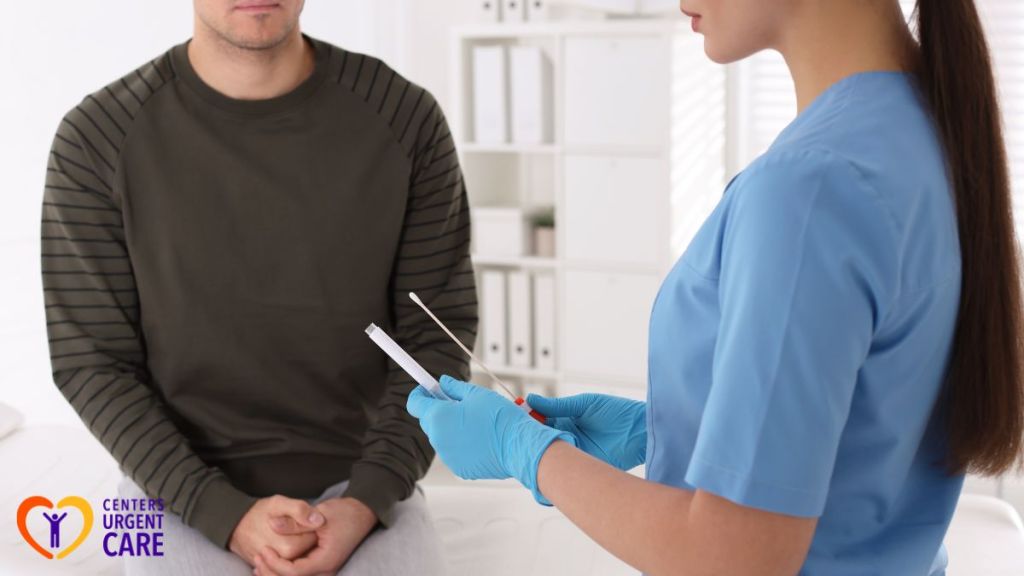
- Chlamydia gonorrhea testing. Urine samples or swabs from the cervix, urethra, throat, or rectum are sent for nucleic acid amplification tests, which are highly sensitive.
- Blood tests. Blood draws are used to check for infections such as syphilis and HIV, and sometimes hepatitis B or C, often processed through on-site lab work urgent care so you are not sent to a separate facility.
- Targeted exams. A physical exam of the genitals, throat, or anus may be done when sores, discharge, or pain are present.
Many infections never cause clear symptoms. WHO estimates more than 1 million curable STIs are acquired each day, and many are asymptomatic. That is why preventive STD care often includes routine testing based on your age, sex, and risk level, even if you feel well.
During the visit, you can ask for:
- Quick health screening for pregnancy tests at urgent care, urinary infections, or other problems that may mimic STD symptoms
- Advice about vaccines such as HPV and hepatitis B, which lower the risk of some sexually transmitted infections
- Guidance on partner testing, so people you are intimate with can also be checked and treated if needed
Urgent care teams usually explain which tests were ordered, how you will receive results, and what signs should prompt an immediate return or emergency care.
How Confidential and Fast Are Results from Urgent Care Labs?
Many people worry more about privacy than needles. Health information, including STD test results, is protected by federal privacy laws, so clinics generally cannot share your results with employers, schools, or family without consent, except for required public health reporting of certain infections.
Confidential testing services at urgent care often include:
- Private result delivery. Results can be shared through secure portals, phone calls, or in-person visits.
- Limited access to charts. Only staff involved in your care should be able to see your visit notes and lab reports.
- Discreet testing available. Many centers design check-in and waiting areas to avoid labeling visits as “STD-only.”
Timing for rapid STD results depends on the tests used, whether the lab is on-site, and how long STD testing takes at urgent care at that particular center. In general:
- Some tests are rapid. Certain HIV and syphilis screening tests can give a preliminary result in minutes or hours.
- Many labs return in days. Chlamydia and gonorrhea NAATs often come back within one to three days, depending on the lab schedule.
- HIV testing has a window period. Lab-based antigen/antibody tests can usually detect HIV 18–45 days after exposure; rapid finger-stick tests may need up to 90 days to turn positive.
Clinicians may start treatment before all lab results are final if your symptoms, exposure, or partner’s diagnosis strongly suggest an infection that requires prompt care.
What Happens After STD Testing Urgent Care Visit?
The most important part of STD testing urgent care visits happens after the samples are collected. How your team responds to results determines how quickly infections are treated and how effectively future risks are reduced.
If all tests are negative, the clinician may still recommend:
- Repeat screening later if your visit happened inside a window period for infections like HIV or syphilis.
- Counseling on preventive STD care, including condoms, reducing overlapping partners, and considering HIV pre-exposure prophylaxis (PrEP) when risk is high. This reinforces safe sex practices for HIV and other infections.
- Vaccination updates, especially HPV and hepatitis B, for those who have not completed their series.
When tests are positive, urgent care clinicians usually move quickly to start STD treatment antibiotics or antiviral medicines based on current guidelines. Many curable STIs are treated with medications such as:
- Chlamydia. Recommended treatment is doxycycline for most adults, with alternatives used in pregnancy.
- Gonorrhea. Recommended treatment includes an injection of ceftriaxone at a dose adjusted to body weight.
- Syphilis. Penicillin injections are still the standard treatment in most cases.
For infections like genital herpes or HIV, urgent care may start initial antiviral therapy or quickly connect you with specialists.
After a same-day STD diagnosis, expect your urgent care team to:
- Explain what the result means and which partners should be informed.
- Give clear medication instructions, including how long to avoid sex after treatment.
- Discuss partner treatment options, such as prescriptions for partners in some states, known as expedited partner therapy.
This visit is often the first real step in organizing your sexual health, rather than just reacting to one scare.
How Does Urgent Care Fit into New York Sexual Health Services?
New York sexual health services include a wide network of options. Public sexual health clinics in New York City offer low- to no-cost testing and treatment for STIs and HIV for people aged 12 and older, regardless of immigration status or ability to pay. State-level programs also track infections and support community-based outreach.
The scale of need is large. In New York State, more than 163,000 diagnoses of chlamydia, gonorrhea, syphilis, and mpox combined were reported in 2023. Those numbers reflect how many people rely on accessible clinics for care.
Urgent care centers add value in this landscape by:
- Offering walk-in sexual health testing urgent care closer to where people live, study, or work.
- Providing urgent care lab screening when symptoms such as discharge, sores, or pelvic pain start suddenly.
- Linking patients back to public clinics, primary care, or specialists for longer-term management and prevention.
People in New York often move between these settings over time. One visit may start in urgent care to address an immediate concern, while follow-up vaccines, PrEP, or fertility discussions might happen later with other providers.
How Do You Plan Follow-Up and Preventive STD Care After a Visit?
Treatment does not end the risk of future infections. Many people become reinfected within months if partners are not treated or if screening stops once the first infection clears. Guidance from national groups recommends:
- Annual chlamydia and gonorrhea screening for all sexually active women younger than 25 and for older women with higher risk
- Retesting about three months after treatment for chlamydia or gonorrhea to check for reinfection
After an STD testing urgent care visit, you can protect your health by:
- Completing every dose of your medication and asking questions if you miss one
- Avoiding sex until treatment ends and partners are treated as well
- Scheduling regular quick health screening based on your risk, rather than waiting for symptoms again
Small changes in routine can also reduce future risk, such as using condoms more consistently, limiting overlapping partners, and having open conversations with partners about recent testing. Urgent care clinicians can help you make a practical plan that matches your actual life, not an ideal scenario that feels impossible to follow.

FAQs About STD Testing Urgent Care
How often should I get STD testing at urgent care if I have multiple partners?
Get STD testing at urgent care at least once a year if you have multiple partners. Higher-risk individuals, including men who have sex with men or those with frequent new partners, may need testing every three to six months. Urgent care can help tailor the schedule based on your risk level.
How soon after unprotected sex can urgent care test me for STDs?
Urgent care can test for STDs soon after unprotected sex, but timing affects accuracy. Chlamydia and gonorrhea tests detect infection in 1–2 weeks. Syphilis blood tests turn positive in 3–6 weeks. HIV lab tests often detect infection between 18 and 45 days after exposure. Early testing may need follow-up to confirm results.
Will STD testing at urgent care show up on my insurance or medical record?
STD testing at urgent care will appear on your insurance statement if you use insurance, which may be visible to the policyholder. Medical records remain confidential under privacy laws. To protect privacy from a parent or partner, ask about self-pay options and how results are shared before testing.
Take Charge of Same-Day STD Care in New York
Sexual health can feel easier to ignore than to face, especially when symptoms are embarrassing or testing brings up fear. When you choose STD testing urgent care, you give yourself a direct way to get answers, rapid STD results, and treatment options in a single visit instead of waiting and worrying.
By using walk-in urgent care medical services in New York City, you can be seen quickly for screening, results, and follow-up guidance that fits into your regular life. At Centers Urgent Care, we focus on making sexual health visits straightforward, respectful, and action-focused so you can leave with a clear plan for testing, treatment, and prevention.
If you are ready to stop worrying about your status after a risk or new symptom, reach out or visit us. We can talk through your concerns, order the right tests, and help you move forward with a safer, healthier routine.