Understanding the Importance of Annual Physical Exams
Annual physical exams serve as a preventive measure, helping to catch health problems before they become serious. These comprehensive evaluations assess various aspects of an individual’s health, providing valuable information to both the patient and the healthcare provider.
- Early Detection – Identifies health issues in early stages
- Preventive Care – Implements measures to prevent diseases
- Health Monitoring – Tracks changes and improvements in health
- Personalized Advice – Offers tailored health recommendations
- Building a Medical History – Creates a detailed health record over time
Significance of Early Detection in Chronic Conditions
Chronic conditions such as diabetes, hypertension, and heart disease often develop gradually and can go unnoticed without regular monitoring. Early detection via annual physicals can lead to more effective management and better outcomes.
Understanding the importance of annual physical exams and the role they play in the early detection of chronic conditions, individuals can take proactive steps towards maintaining their health and well-being. Regular check-ups not only help in identifying risk factors but also provide an opportunity to receive personalized guidance on preventive measures and lifestyle modifications.
What to Expect in an Annual Physical
Annual physical exams are crucial for maintaining good health and detecting chronic conditions early. Understanding what to expect during your annual check-up can alleviate anxiety and ensure that you are getting the most out of your visit.
Components of a Comprehensive Annual Physical Exam
A thorough annual physical covers various aspects of health to provide a comprehensive overview of one’s well-being. Here are the typical components:
- Medical History Review: Physicians review past medical history, current medications, and any symptoms or concerns.
- Physical Examination: This involves measuring essential vital signs like blood pressure, heart rate, and body temperature. A physical examination may also include assessing heart and lung sounds, inspecting the abdomen, and checking skin health.
- Laboratory Tests: Common tests include blood work to check cholesterol levels, blood sugar, and other markers that indicate overall health.
- Lifestyle Review: A discussion on diet, exercise, alcohol consumption, and smoking habits.
- Vaccinations: Update or administer necessary vaccinations.
- Mental Health Screening: Evaluating mental health to identify conditions such as depression or anxiety.
Importance of Health Screenings and Tests
Health screenings and diagnostic tests are key elements of an annual physical. These tests help in the early detection of chronic conditions, enabling timely intervention and management.
- Blood Pressure Screening: High blood pressure can lead to heart disease and stroke.
- Cholesterol Test (Lipid Panel): High cholesterol is a risk factor for cardiovascular diseases.
- Blood Glucose Test: Helps detect diabetes or prediabetes.
- Body Mass Index (BMI): Assesses whether an individual has a healthy weight.
- Cancer Screenings: Depending on age and risk factors, these might include mammograms, Pap smears, prostate exams, and colonoscopies.
Having a clear understanding of what happens during an annual physical can help individuals prepare and take an active role in managing their health. By recognizing the importance of these components and screenings, one can appreciate the significant role annual physicals play in detecting chronic conditions early.

Detecting Chronic Conditions
Annual physicals are a cornerstone of preventive healthcare, offering a crucial opportunity for early detection and management of chronic conditions. These comprehensive evaluations enable healthcare providers to assess overall health, identify emerging risks, and initiate timely interventions. Below, we’ve outlined some of the most common chronic conditions that can be detected through routine health assessments, along with key tests used to diagnose and monitor them.
Benefits of Regular Monitoring and Surveillance
Regular monitoring through annual physicals offers several benefits in the context of chronic condition management. These routine assessments help to track the progression of diseases and enable timely adjustments in treatment plans, enhancing overall health outcomes.
- Early Detection – Identifies chronic conditions before symptoms appear, allowing for early intervention
- Disease Management – Monitors the progression of diagnosed conditions to adjust treatments effectively
- Preventive Care – Identifies risk factors that can lead to chronic diseases, enabling preventive measures
- Patient Education – Provides information and guidance on managing conditions, promoting better health
- Continuity of Care – Ensures consistent and coordinated healthcare, improving treatment adherence
Understanding the importance of annual physicals in detecting and managing chronic conditions, individuals can empower themselves to take proactive steps in their health journey. Regular check-ups and monitoring pave the way for a healthier, more informed approach to living with chronic diseases.
Risk Factors and Prevention
To effectively manage chronic conditions, it’s essential to identify the risk factors and implement lifestyle modifications. This proactive approach can help in preventing the onset of chronic diseases and improve overall health outcomes.
Identifying Risk Factors for Chronic Conditions
Recognizing the risk factors for chronic conditions is a crucial step in prevention. These factors can be categorized into modifiable and non-modifiable risk factors.
- Modifiable Risk Factors – Smoking, poor diet, physical inactivity
- Non-modifiable Risk Factors – Age, family history, genetic predisposition
It’s important to note that regular annual physicals play a significant role in identifying these risk factors. Health screenings and tests during these exams can help in the early detection of potential health issues.
Lifestyle Modifications for Prevention and Management
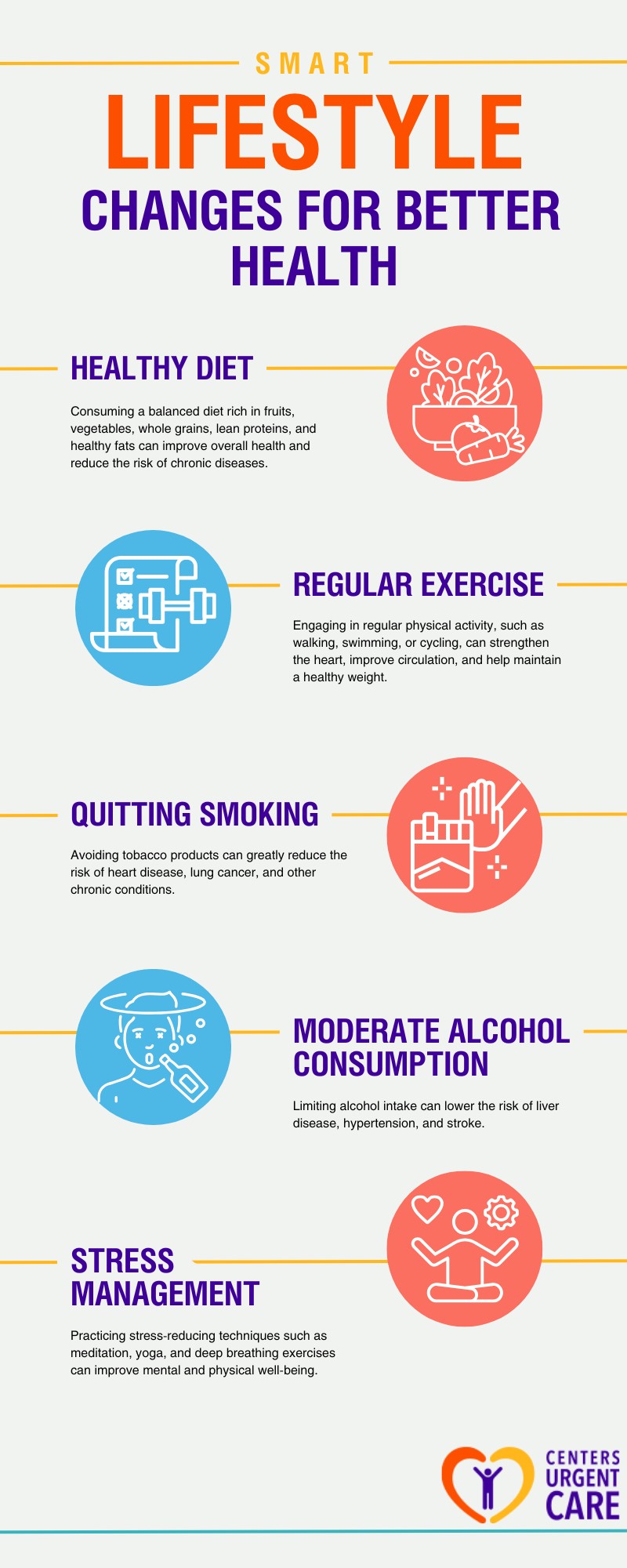
Making healthy lifestyle changes can significantly reduce the risk of developing chronic conditions. Here are some key modifications: