

















Key Points:
- You can expect, at your first visit to a walk-in urgent care in Brooklyn, that the staff will check you in, confirm insurance or self-pay costs, and review your symptoms.
- A clinician then examines you, may order basic lab tests or X-rays, and provides treatment.
- Most visits address non-life-threatening problems and finish in about an hour.
When you wake up sick on a workday or twist an ankle crossing the street, you usually need help the same day, not weeks from now. Waiting hours in an emergency room for a non-life-threatening problem can be frustrating, yet most primary care offices cannot always accommodate last-minute visits.
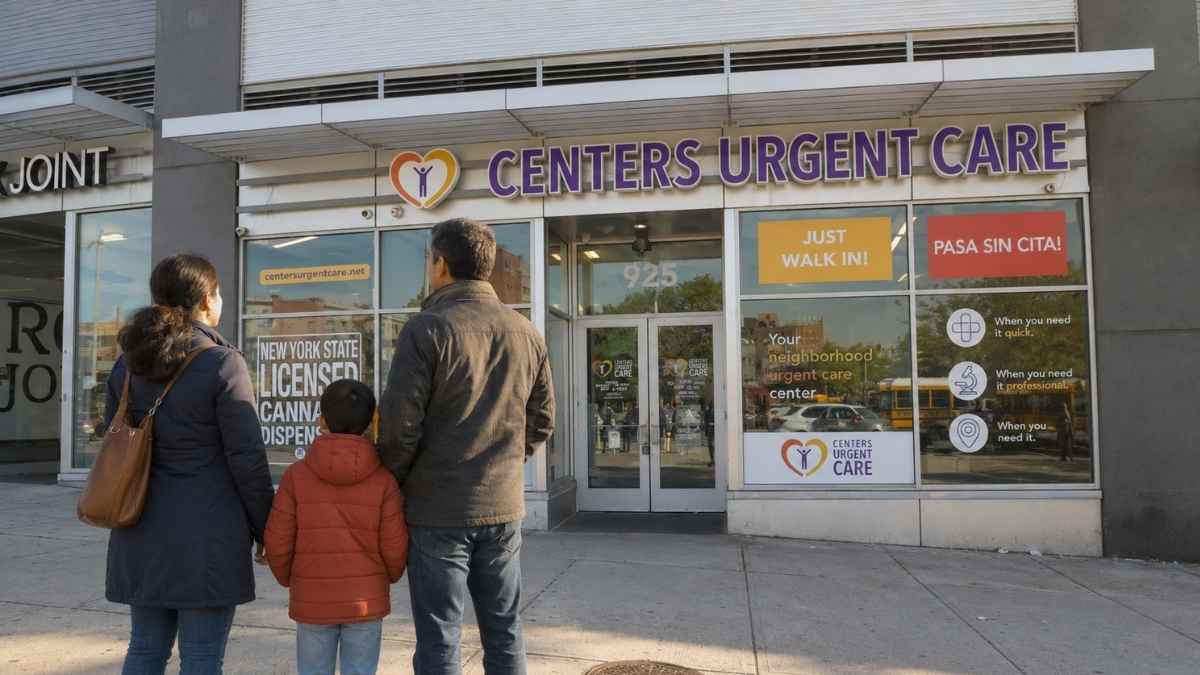
Walk-in urgent care in Brooklyn fills that gap by offering fast attention for common illnesses and minor injuries without an appointment. Across the U.S., 89.4% of people live within a 20-minute drive of an urgent care center, underscoring how central these clinics have become for quick care.
In Brooklyn and nearby boroughs, that often means walk-in access near your home, job, or train stop, with evening and weekend hours that fit real life.

Why Walk-In Urgent Care in Brooklyn Works for Busy New Yorkers
Walk-in urgent care services give same-day attention for illnesses and minor injuries without an appointment. Clinics handle problems that need care soon, but do not put life or limbs at risk, such as flu-like symptoms, ear infections, rashes, sprains, or minor cuts.
When urgent care is the right choice often sits between two parts of the system:
- Primary care focuses on checkups, chronic conditions, and planned follow-ups.
- Emergency departments treat life-threatening issues like chest pain, stroke signs, and major trauma.
Access to same-day care is also filling a growing gap. More than 100 million people in the U.S. lack a primary care provider, and more than 1 in 4 adults fall into that group. For Brooklyn residents searching for “urgent care no appointment NYC” options, walk-in clinics offer a practical way to get seen quickly when new symptoms appear.
The next sections talk about what you can expect during your visit.
1: Arriving at a Walk-In Clinic in Brooklyn
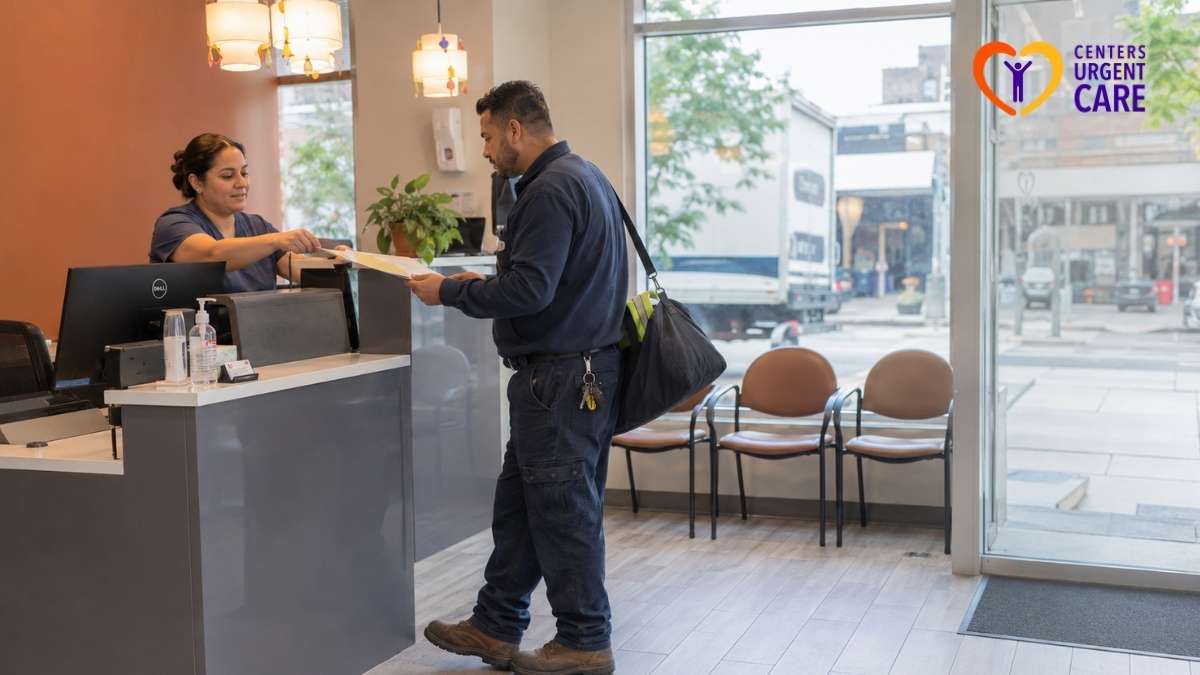
When you arrive at a walk-in clinic Brooklyn location, you usually go straight to the front desk. Staff will ask what brought you in, then request a photo ID and, if you have coverage, an insurance card. New patients fill out a short form with contact details, past conditions, surgeries, and current medicines.
Early questions focus on how long symptoms have been present and whether anything has made them better or worse. If someone walks in with obvious emergency signs, such as severe chest pain or trouble breathing, staff may call emergency services rather than checking them in for urgent care.
2: Registration, Insurance, and Payment Basics
After the basic intake, your information is entered into the clinic’s system. Staff verify insurance coverage, confirm your co-pay, and review any past visits if you have been there before. For many insured patients receiving walk-in medical care in Manhattan or Brooklyn, the urgent care co-pay is significantly lower than the ER co-pay.
If you do not have insurance, most walk-in clinics offer a self-pay rate. Across the U.S., national estimates show that uninsured urgent care visits often cost about $125–$300, with many simple visits falling around $160–$180 before tests or procedures. Extra services such as X-rays, lab work, sutures, IV fluids, or splints are billed in addition to the base fee.
During this stage, staff may also ask about your preferred pharmacy so any prescriptions can be sent electronically as soon as the visit ends.
3: Triage and Vital Signs
Once registered, you move to triage. A nurse or medical assistant brings you into a small room to check:
- Temperature
- Blood pressure and heart rate
- Oxygen level and breathing pattern
They ask when symptoms started, what they feel like, and whether anything triggered them. This quick review helps the team decide how quickly you should be seen.
Patients with more serious symptoms are sometimes moved to the front of the line, even if they arrived later. Clinics follow the same basic idea as hospitals: the most urgent problems go first. Some centers also see children or older adults with breathing issues sooner because those groups can decline more quickly.
Triage is still part of walk-in urgent care services rather than full emergency care, but if staff see warning signs, they may call an ambulance or direct you to the nearest ER for faster, higher-level treatment.
4: The Exam: Talking With the Clinician
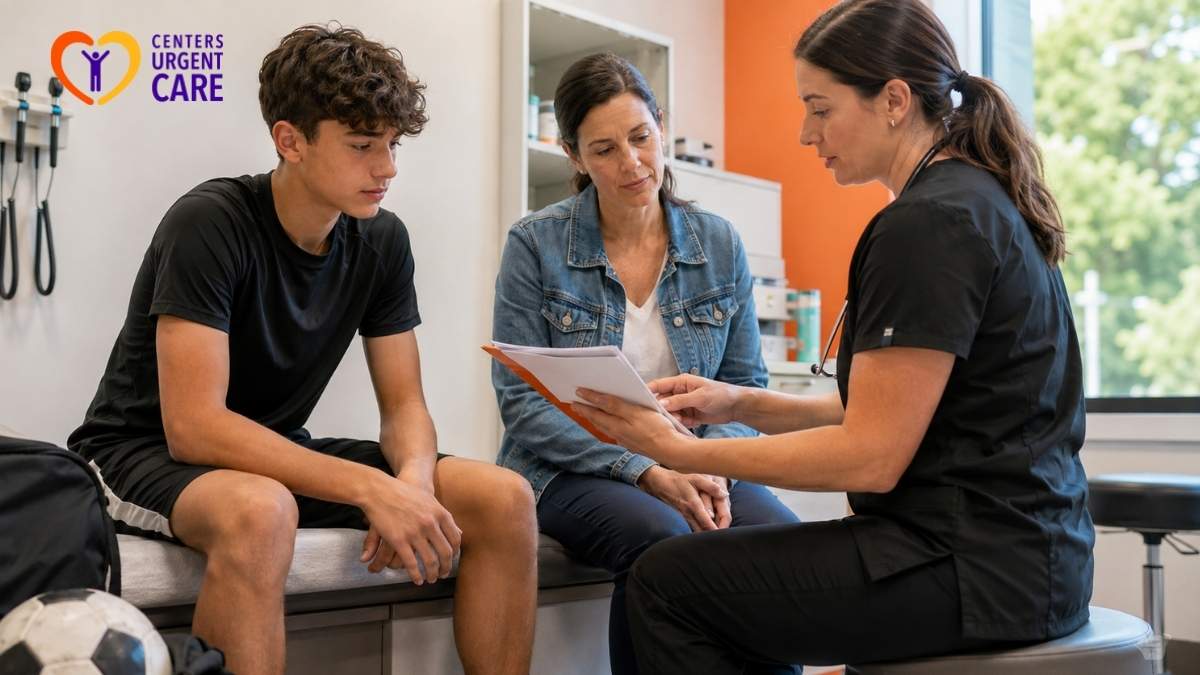
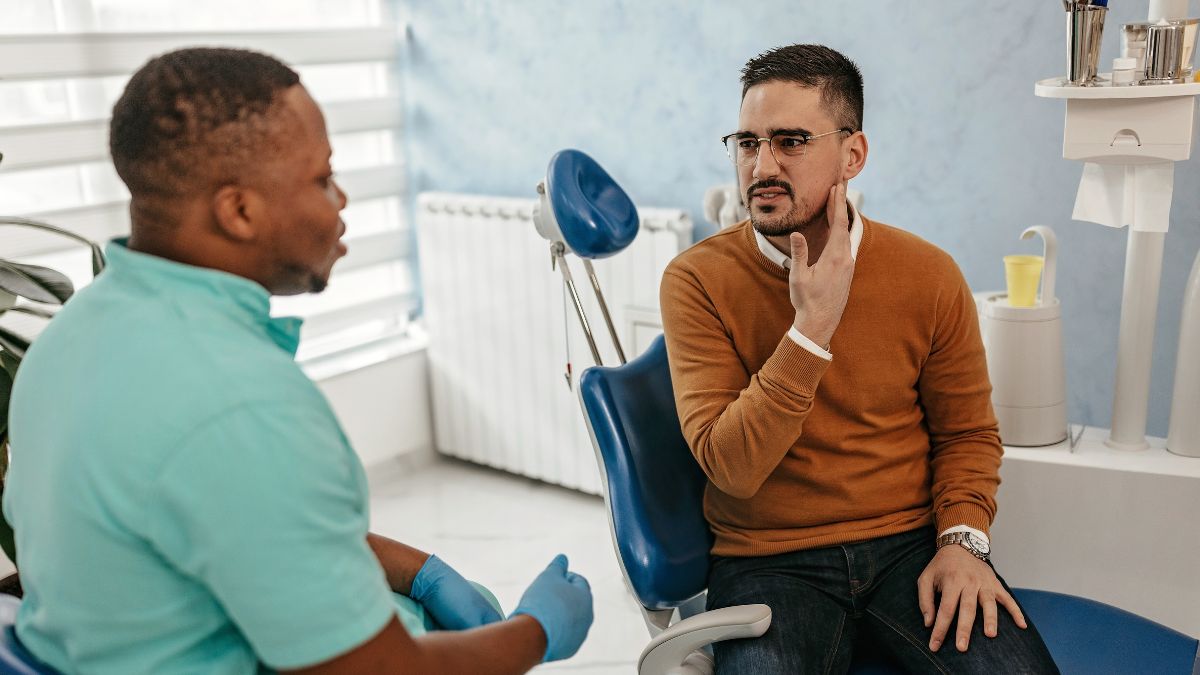
After triage, you go to an exam room to meet with an urgent care physician, physician assistant, or nurse practitioner. Many walk-in urgent care providers in Brooklyn see both adults and children, which helps when families come in together.
During the visit, the clinician will:
- Review your symptoms, medications, and health history
- Ask focused questions about timing, exposures, and recent travel
- Perform a targeted physical exam based on your main concern
You can expect a straightforward conversation about possible causes and whether tests are needed. If you searched for “walk-in urgent care near me” to address a new problem, write down your top questions so you do not forget them once the exam starts.
5: Tests, X-Rays, and In-Clinic Procedures You May Receive
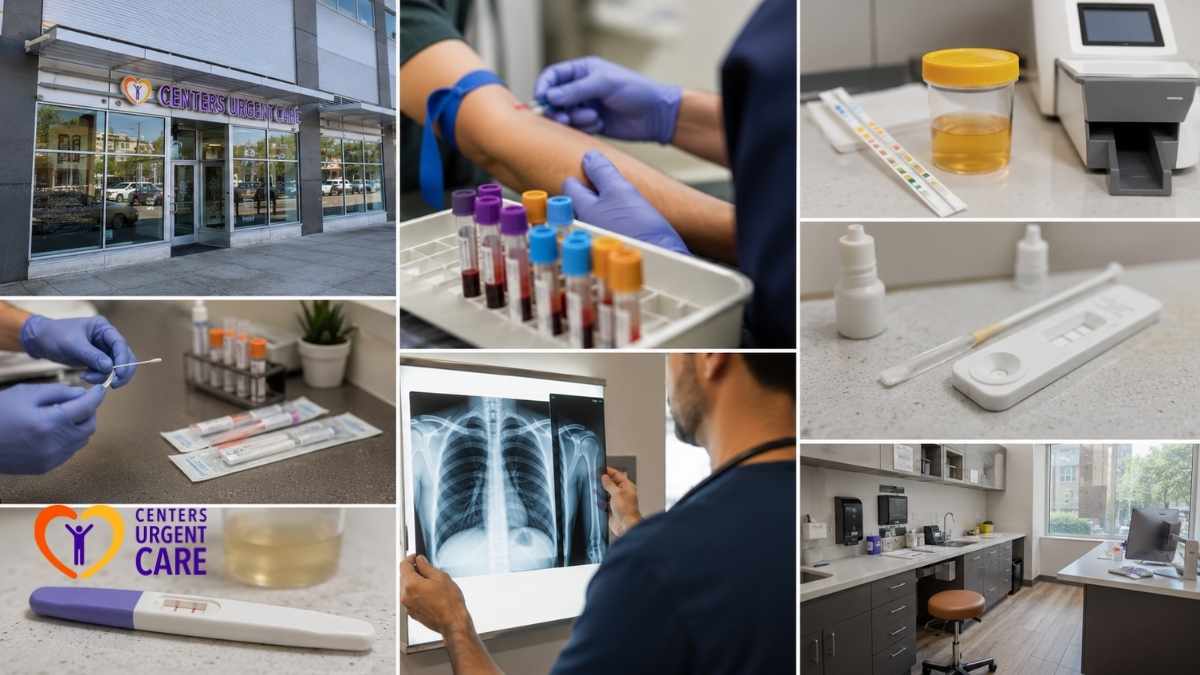
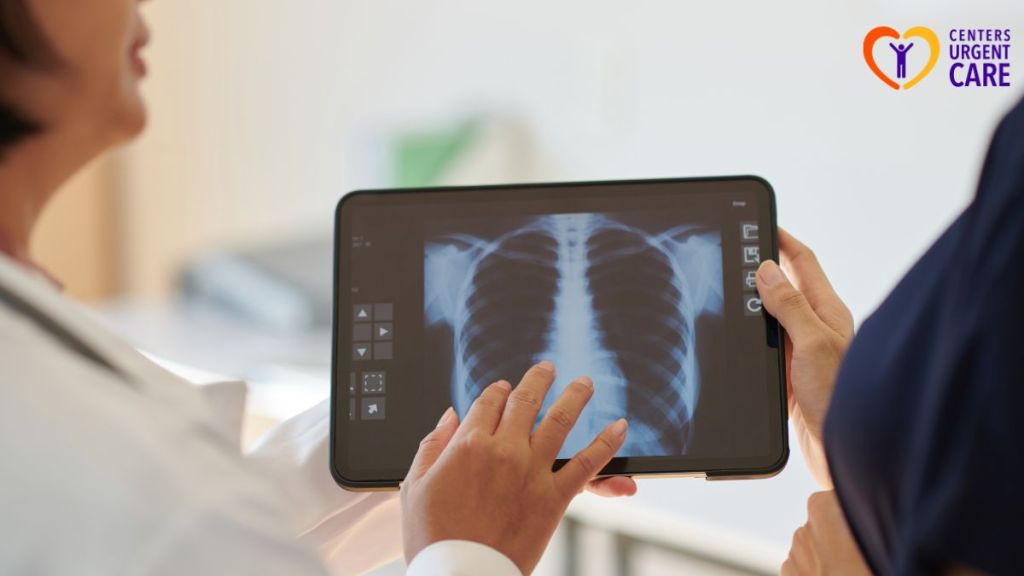
Many walk-in clinics can perform on-site lab tests at urgent care and basic treatment in a single visit, reducing the need for separate imaging centers or labs. Typical onsite options include:
- Urgent care X-ray services for suspected fractures, sprains, or some chest symptoms
- Lab tests such as urinalysis, complete blood counts, and metabolic panels
- Rapid swabs for strep throat, flu, COVID-19, and some STIs
Clinics also perform procedures for non-life-threatening problems:
- Urgent care for cuts and bruises, including cleaning and closing with stitches or skin glue
- Splinting simple fractures and sprains
- Treating minor burns and skin infections
- Giving IV fluids or IV antibiotics when needed
- Providing nebulizer treatments for mild asthma or wheezing
Research on urgent care services describes these visits as “treat and release,” often aiming for a length of 60 minutes or less from arrival to discharge. For many people using walk-in urgent care services, that combination of tests and procedures in one stop is the main advantage over waiting in a crowded ER for non-emergency care.
6: Treatment Plan, Prescriptions, and Follow-Up
Once the exam and any tests are complete, the clinician explains the diagnosis in plain terms and lays out a plan. That usually includes:
- Medicine recommendations, including prescriptions sent electronically
- Home care steps such as rest, fluids, over-the-counter options, or wound care
- Warning signs that mean you should head to the ER or return to urgent care
For chronic conditions like asthma, diabetes, or high blood pressure, urgent care is a bridge rather than a replacement for ongoing care. More than 30% of U.S. adults lack a usual primary care source, which is one reason urgent care feels so important, but long-term management still works best with a regular doctor.
How to Make Your Brooklyn Walk-In Visit Smoother
Small choices can reduce stress during a walk-in visit. Several patterns show up in research on clinic and emergency use: weekends and holidays tend to bring heavier traffic and more non-urgent visits. When possible, aim for:
- Early weekday hours. Morning visits often mean shorter waits than evenings.
- Mid-afternoon windows. Once the early rush passes, lines may thin out before after-work visits pick up.
- Checking online volume. Some clinics post live wait estimates or “busy” times on map listings.
Bring a charged phone, a small snack for kids, and something to read, in case testing stretches your visit. Have a short list of questions ready so you can make the most of your time with the clinician.
These timing tips apply across boroughs. People using no appointment urgent care in Queens or walk-in medical care in Manhattan often see the same pattern: rushes when primary care offices are closed, and workdays end.

FAQs About Walk-In Urgent Care in Brooklyn
Are walk-ins considered urgent care?
Yes, walk-ins are often considered urgent care when the clinic provides expanded services beyond basic primary care. Walk-in clinics treat minor illnesses such as colds or rashes, while urgent care centers offer X-rays, stitches, lab tests, and treatment for minor fractures without appointments.
How much is it to walk into urgent care?
Urgent care visit costs typically range from $125 to $300 without insurance, with many basic visits averaging $160–$180 before tests or procedures. X-rays, lab tests, IV medications, or casting increase total charges. Insured patients usually pay a set urgent care copay, often lower than an ER copay.
What’s the best time to go to an urgent care?
The best time to go to urgent care is early weekday mornings or mid-afternoons when patient volume is lower. Evenings, weekends, and holidays usually have longer wait times due to higher demand. Checking real-time wait times online before leaving helps reduce delays and plan your visit efficiently.
Get Walk-In Urgent Care Help in Brooklyn When You Need It
Walk-in urgent care in Brooklyn provides a clear plan when sudden illness or a minor injury interrupts your day. You now know what happens at each step of the visit, how tests and procedures can be handled onsite, and how smart timing and preparation can keep your stop as efficient as possible.
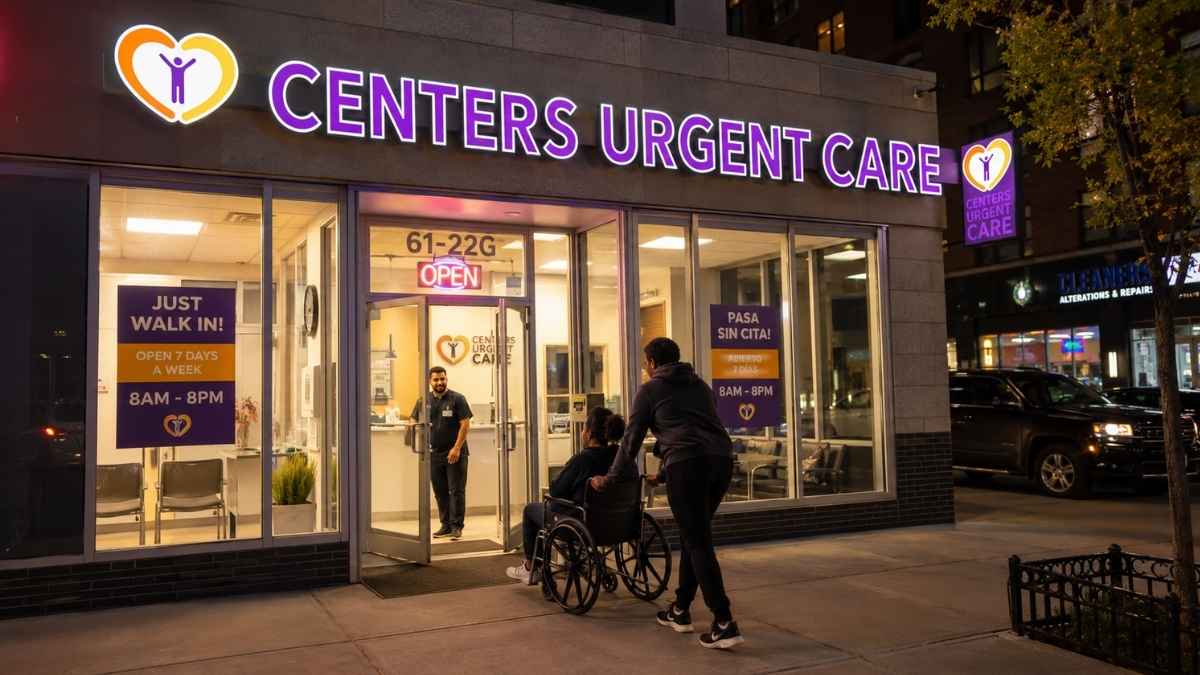
Centers Urgent Care offers walk-in urgent care for non-life-threatening illnesses and minor injuries in New York City, including convenient locations for Brooklyn residents who need same-day help without an appointment. Our clinics provide access to diagnostic testing, treatment, and follow-up guidance under one roof.
If you feel unsure about where to turn for care, reach out to us. Call or visit one of our locations so we can examine what is going on, explain your options, and help you choose urgent care that fits the rest of your life.