























Flu vaccines are crucial for preventing seasonal influenza and its complications. However, like all medical interventions, flu vaccinations may not be suitable for everyone. While vaccines are generally safe and effective, certain groups of individuals may need to avoid getting the flu shot due to underlying health conditions, allergic reactions, full STD panel, or other medical factors.
In this article, we will explore who should avoid flu vaccinations, what alternatives are available, and why it is important to consult with a healthcare professional before deciding on vaccination.
Table of Contents
ToggleUnderstanding Flu Vaccines
Before diving into who should avoid flu vaccinations, it’s important to understand what the flu vaccine is and how it works. The flu vaccine is designed to protect against influenza viruses, which cause a range of symptoms, from mild respiratory discomfort to severe illness, hospitalizations, and even death. Vaccination works by stimulating the immune system to recognize and fight the virus.
There are different types of flu vaccines, including:
- Inactivated flu vaccine (IIV): Contains killed virus particles and is typically given as an injection.
- Live attenuated flu vaccine (LAIV): Contains weakened virus particles and is administered through a nasal spray.
- Recombinant flu vaccine: Produced using genetic techniques rather than virus culture.
While the flu vaccine is highly recommended for most people, it’s essential to know that not everyone should receive the vaccine, particularly those with certain health conditions.
Individuals Who Should Avoid the Flu Vaccine
Before getting the flu vaccine, it’s important to understand that certain individuals may need to avoid vaccination due to specific health conditions or risk factors. The following list outlines key groups of people who should refrain from receiving the flu vaccine or who may require special consideration. If any of these categories apply to you, it’s essential to consult your healthcare provider for personalized advice on the best course of action.
1. People with Severe Allergies to Vaccine Ingredients
Some individuals are allergic to certain components of the flu vaccine, and these individuals should avoid getting vaccinated. The most common allergens in flu vaccines include:
- Egg proteins: Most flu vaccines are produced using eggs. Although the amount of egg protein in the vaccine is minimal, people who have a severe egg allergy may be at risk of a reaction.
- Gelatin: Some flu vaccines contain gelatin, which can cause reactions in people with gelatin allergies.
- Thimerosal: This is a mercury-containing compound used as a preservative in some flu vaccines. While it’s rarely present in vaccines today, some individuals may still need to avoid it.
If you have a known severe allergy to any of these ingredients, it is crucial to consult your healthcare provider before getting a flu shot. Your provider may recommend a specific type of vaccine or an alternative option.
2. Individuals with Severe Immunocompromised States
Immunocompromised individuals, such as those undergoing chemotherapy, organ transplant recipients, or people with certain autoimmune conditions, may need to avoid the flu vaccine. Live vaccines, like the nasal spray flu vaccine (LAIV), can pose a risk to individuals with weakened immune systems because they contain weakened live viruses. Although the virus is attenuated, it may still cause illness in someone whose immune system is unable to effectively fight it.
For immunocompromised individuals, the inactivated flu vaccine (IIV) is often recommended as a safer option. However, a healthcare professional should be consulted to ensure that vaccination is appropriate and safe.

3. Infants Under Six Months Old
Infants younger than six months old are too young to receive the flu vaccine. Although the flu vaccine is recommended for everyone aged six months and older, infants in this age group are not eligible for the standard flu shot due to their underdeveloped immune systems.
However, pregnant women who receive the flu vaccine can pass on protective antibodies to their infants. This helps provide some level of protection to newborns and young infants who cannot yet receive the vaccine themselves.
For babies under six months, the best way to prevent the flu is for caregivers and close contacts to get vaccinated to reduce the risk of exposure.
4. Individuals with Certain Neurological Disorders
Some neurological disorders may prevent individuals from safely receiving the flu vaccine, especially if the person has a history of Guillain-Barré syndrome (GBS). GBS is a rare condition that causes muscle weakness and sometimes paralysis, and in some instances, it has been linked to receiving the flu vaccine.
While the risk of developing GBS after a flu shot is extremely low, people with a history of GBS should consult their doctor before getting vaccinated. The decision to receive the flu vaccine in such cases depends on the individual’s medical history, risk factors, and overall health.
5. People with Moderate or Severe Illness
Individuals who are moderately or severely ill, particularly those with fever or active infections, may need to delay getting the flu vaccine until they have fully recovered. This is because receiving the flu vaccine while sick could potentially cause complications or interfere with the body’s ability to mount an effective immune response.
If you are experiencing any significant symptoms, such as a fever or severe illness, it’s recommended to wait until you recover before getting the flu vaccine. Always consult with your healthcare provider to determine the best course of action in this scenario.
3 Alternatives to the Flu Vaccine
For individuals who cannot receive the flu vaccine, there are other strategies to reduce the risk of contracting the flu:
1. Antiviral Medications
If you are at high risk for complications from the flu and cannot receive the flu vaccine, antiviral medications may be an option. These medications, such as oseltamivir (Tamiflu) or zanamivir (Relenza), can reduce the severity and duration of flu symptoms when taken within 48 hours of symptom onset. In some cases, these medications are prescribed for prevention, particularly for individuals with certain health conditions that make them more vulnerable to flu complications.
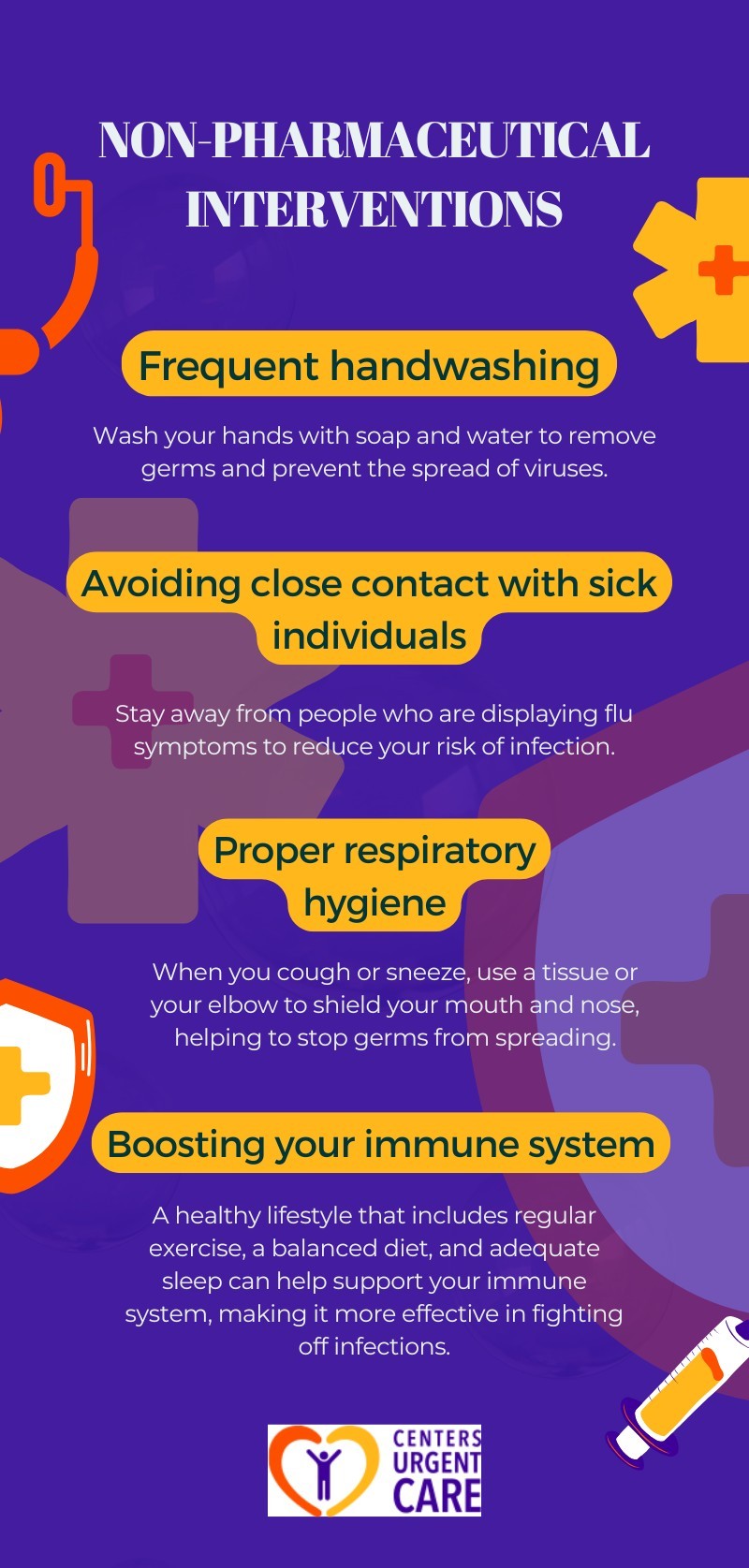
2. Non-Pharmaceutical Interventions
For those who are unable to get vaccinated, taking non-pharmaceutical precautions can also help prevent the flu. These strategies include:
3. Flu-Like Illness Management
For those who are at risk but cannot receive the flu vaccine, it’s important to recognize the early signs of flu-like illnesses. If symptoms such as fever, chills, body aches, or sore throat appear, seeking early medical intervention is important. Prompt treatment can help reduce the severity of symptoms and decrease the risk of complications.
Special Considerations for Pregnant Women
Pregnant women are often advised to receive the flu vaccine, as influenza can have severe consequences during pregnancy, including premature labor and fetal complications. The flu vaccine has been shown to be safe for pregnant women, and it also provides protection for the baby once born.
However, as with all medical decisions, it’s essential for pregnant women to discuss their options with a healthcare provider to ensure the safety of both mother and baby.
Consulting Your Healthcare Provider
Before deciding whether or not to get the flu vaccine, it’s essential to consult your healthcare provider, especially if you have a history of allergies, underlying health conditions, or other risk factors. Your doctor can evaluate your specific situation and help determine the best course of action, including whether the flu vaccine is appropriate for you or if alternatives should be considered.
While the flu vaccine is an effective tool in preventing seasonal influenza, it’s not suitable for everyone. People with severe allergies, weakened immune systems, neurological conditions, or infants under six months of age should avoid the flu vaccine or explore alternatives with their healthcare provider. Pregnant women and those at higher risk for complications should also discuss vaccination options with their doctor to ensure their health and the health of their baby.
Remember, your healthcare provider is the best resource for making informed decisions about flu vaccination. Our team at Centers Urgent Care provides expert medical guidance to help you determine whether the flu shot is right for you. We offer fast, high-quality urgent care services for children and adults, ensuring you receive personalized care in a comfortable setting. If you need professional advice or have concerns about vaccinations, visit our urgent care center in NYC today. Contact us today to schedule a consultation and stay proactive about your health.
Sources: