
Wellness Tips from Josef Schenker, MD
Welcome to our Wellness Tips series, where we bring you expert advice from Dr. Josef Schenker, Medical Director at Centers Urgent Care. Through years of experience in internal medicine and emergency medical services, Dr. Schenker has helped thousands of patients take control of their health with clear, compassionate care.
In each post, Dr. Schenker tackles important health topics that affect us all, offering practical tips on prevention and care. His goal? To empower you with easy-to-understand, medically sound information that helps you stay healthy and make smart decisions.
Wound Care Management
Every year, around 12 million people in the United States visit the emergency room for wound-related concerns. From accidental kitchen cuts to deeper lacerations or burns, wounds are part of life—but knowing how to manage them can mean the difference between a quick recovery and a serious infection.
Understanding the basics of wound care is essential — and Dr. Josef Schenker is here to help guide you through it. With his knowledge and experience, you’ll learn how to identify different types of wounds, assess their severity, and know when a trip to urgent care is necessary.

Dr. Josef Schenker Explains Accurate Wound Assessment
At its core, a wound is any break or damage to the skin and underlying tissue. It may happen from trauma, surgery, or even chronic conditions like diabetes. Dr. Josef Schenker explains that while some wounds may seem minor, others can hide complications beneath the surface.
Here are the most common types of wounds:
- Abrasions: These are scrapes or grazes caused by friction, like falling on concrete. Usually shallow and may sting or bleed slightly.
- Laceration – A deep cut or tear in the skin, usually caused by something sharp. These wounds may bleed heavily and often require stitches.
- Puncture – Caused by something sharp and pointed, like a nail or needle. These wounds might not bleed much on the surface, but they can be deep and risky.
- Avulsion – A severe injury where tissue is torn away completely. These often occur in accidents and need immediate medical attention.
- Burns – Damage from heat, chemicals, or electricity. Burns are classified by depth and severity (first, second, or third degree).
- Pressure Ulcers – Common in people with limited mobility, these develop over time from prolonged pressure, especially on bony areas.
According to Josef Schenker, MD, when assessing a wound, several important factors help determine how serious it is and what kind of care it needs:
- Depth and Size: How deep and wide is the wound? Deeper wounds are more likely to involve muscles, nerves, or blood vessels.
- Location: Wounds over joints or near sensitive areas like the eyes or genitals may need specialized care.
- Level of Contamination: Is the wound clean, or is there dirt, glass, or other foreign material inside?
- Signs of Infection: Redness, warmth, swelling, pus, or a foul smell can signal infection.
- Bleeding: Is it controlled, or does it keep coming back despite pressure?
- Underlying Conditions: Diabetes, poor circulation, or immune disorders can slow healing and increase the risk of complications.
Accurate assessment isn’t just about diagnosing a wound—it guides the entire healing process. Knowing the wound type and severity helps determine whether at-home care is enough, or if a visit to a professional is needed. Dr. Josef Schenker reiterates that the right medical support can make all the difference.
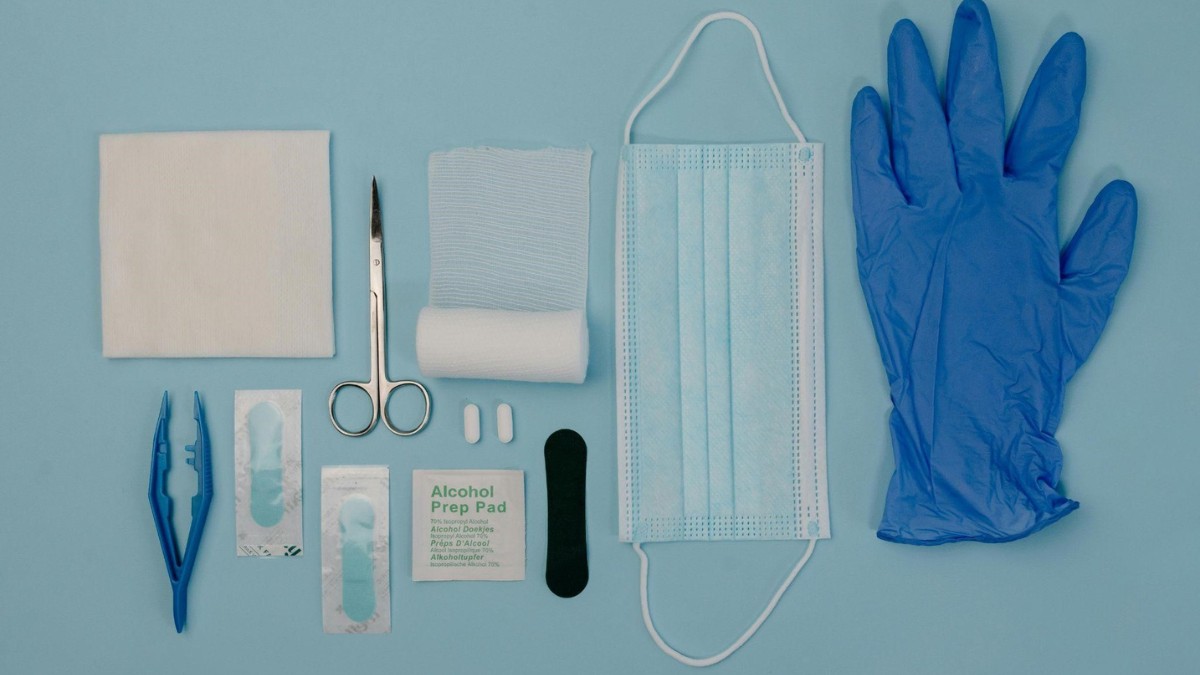
Josef Schenker, MD, Explains the Key Principles of Wound Care Management
Once a wound has been properly assessed, the next step is to apply the right care principles to promote healing and avoid complications. While every wound is unique, certain core principles guide safe and effective treatment.
Here are the key principles that Josef Schenker, MD emphasizes in wound care management:
Cleanliness First
Before anything else, clean the wound thoroughly. Dirt, bacteria, and tiny debris can easily enter even the smallest cut, especially if it happens outdoors or on a dirty surface. For most minor wounds, gently rinsing with clean, running water and using mild soap around the area is all you need. Harsh chemicals like alcohol or hydrogen peroxide may seem like a good idea, but they can irritate the tissue and slow healing.
Control Bleeding
Once the wound is clean, your next priority is to stop the bleeding. Apply gentle but firm pressure with a clean cloth, tissue, or sterile bandage. If possible, elevate the wounded area above the level of the heart — this helps reduce blood flow and can slow the bleeding. Most small cuts stop bleeding within a few minutes. But if it continues for more than 10 minutes, or if the bleeding is heavy or spurting, it’s best to seek medical attention right away.
Moisture Balance
Many people think a wound should be left open to “dry out,” but modern wound care tells us otherwise. Keeping the wound moist — not wet or soggy — actually promotes faster healing and reduces the risk of scarring. A moist environment helps new skin cells grow and keeps the area more comfortable. Use a suitable dressing (such as a hydrocolloid or non-stick pad) to lock in moisture while still allowing airflow and blocking bacteria. If you’re unsure which dressing is best, a healthcare provider can help you choose.
Infection Prevention
No matter how small the injury, always be on the lookout for signs of infection. Redness spreading from the wound, increasing pain, warmth, swelling, pus or cloudy drainage, or even fever can all signal that the wound isn’t healing properly. For surface wounds, a thin layer of antibiotic ointment can help — but don’t overdo it. If there’s any doubt, especially if the wound is deep or appears infected, it’s safest to let a medical professional take a look.
Regular Dressing Changes
Changing the bandage regularly is a simple but vital part of wound care. A soiled or wet bandage is a breeding ground for bacteria, so always replace it with a fresh, sterile dressing when needed. Ideally, dressings should be changed at least once a day, or more often if they get damp or dirty. Before you begin, wash your hands thoroughly, and avoid touching the wound directly. Use sterile gloves or tweezers if you have them to reduce the chance of contamination.
Pain and Inflammation Management
Some wounds come with a little more than just discomfort — especially in the first day or two. Over-the-counter medications like acetaminophen (Tylenol) or ibuprofen (Advil) can help ease the pain and reduce inflammation. Ibuprofen also has mild anti-inflammatory effects, which can be helpful for wounds with swelling. Just be cautious: avoid aspirin or other blood-thinning medications while a wound is still bleeding, unless prescribed by a doctor.
Tetanus Protection
One often overlooked part of wound care is vaccination. If your injury was caused by something rusty, dirty, or involved a bite — human or animal — it might increase your risk of tetanus, a rare but serious bacterial infection. If your last tetanus booster was more than five years ago, and the wound meets any of the high-risk criteria, you should get a booster shot within 48 hours.
Promote Healing with Proper Nutrition
A balanced diet rich in protein, vitamins A and C, and zinc can significantly speed up the healing process. Protein helps regenerate skin and muscle tissue, while vitamins A and C support immune function and collagen production. Zinc, found in foods like nuts, seeds, and meat, plays a key role in wound repair. If you’re recovering from a large or chronic wound, consider talking to your doctor about nutritional support or supplements.
By following these principles, you give your body the best chance to heal safely and quickly. And remember — even a small wound can turn into a bigger problem if neglected. Josef Schenker, MD advises that if you’re unsure about what to do, experiencing unusual symptoms, or dealing with a deep or painful injury, don’t hesitate to seek medical help. Wound care is one of those areas where a little attention upfront can prevent a lot of trouble later on.
Josef Schenker, MD, Answers Frequently Asked Questions:
Gently rinse the wound with clean water to remove debris. Apply light pressure using a clean cloth or sterile gauze to stop bleeding. Once bleeding is controlled, cover the area with a clean bandage. Avoid harsh chemicals unless instructed by a healthcare provider.
Preventing infection starts with keeping the wound clean and covered at all times. Wash your hands before touching the area, and change dressings daily or when soiled. Watch for signs of infection, including redness, warmth, swelling, pus, or increasing pain around the wound.
Wound healing depends on the injury’s size, depth, and location, as well as your overall health. Minor scrapes may heal within a few days, while deeper or more serious wounds may take several weeks. Infections or chronic conditions can slow the healing process significantly.
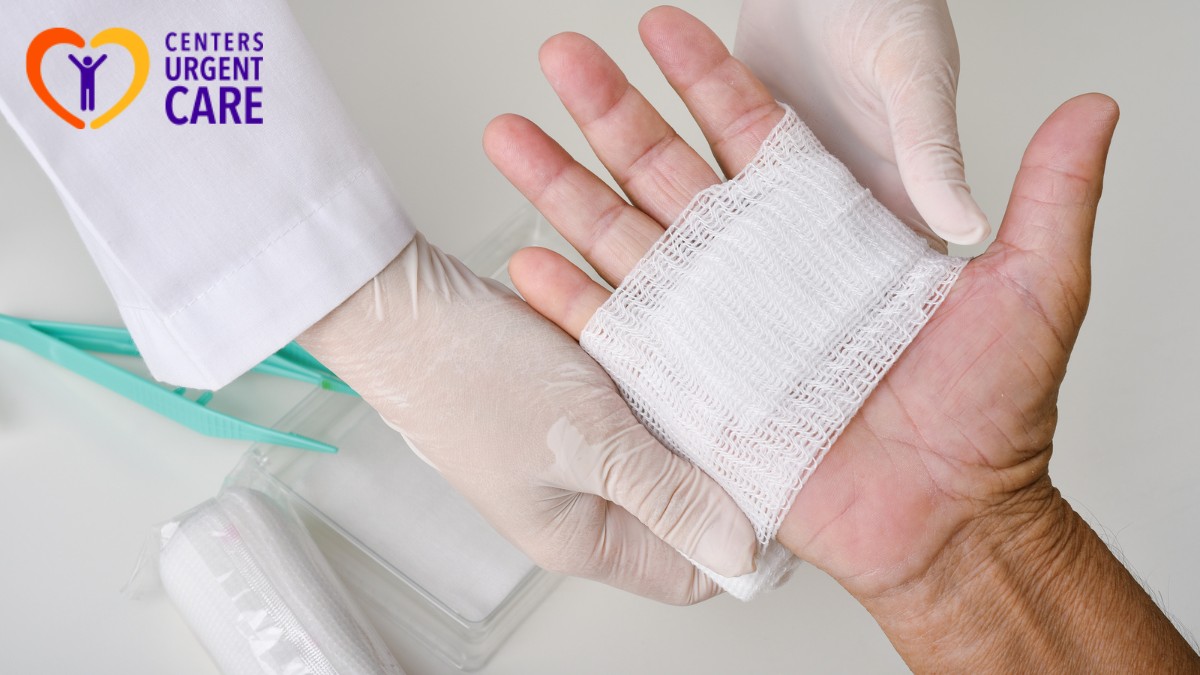
Optimize Healing with Proper Wound Care
Proper wound care isn’t just about stopping the bleeding or slapping on a bandage — it’s about supporting your body’s natural healing process while preventing complications. Whether it’s a scraped knee or a deeper cut that might require stitches, understanding how to assess and care for wounds can make all the difference.
If you’re ever in doubt or dealing with a more serious wound, don’t hesitate to seek professional help. At Centers Urgent Care, our team of experienced healthcare providers — led by Dr. Josef Schenker — is here to help you heal safely and effectively. Visit any of our multiple locations throughout New York to learn more about how we can help you recover with confidence and comfort.

About Josef Schenker, MD:
Dr. Josef Schenker, a board-certified expert in internal medicine and emergency medical services, brings extensive experience and compassion to his role as Medical Director and Partner at Centers Urgent Care. With leadership in SeniorCare Emergency Medical Services and as an Attending Physician at New York-Presbyterian Brooklyn Methodist Hospital, Dr. Schenker oversees critical care and treatment protocols across varied medical needs. His dedication extends to chairing NYC REMAC, ensuring adherence to state standards in emergency medical procedures. At Centers Urgent Care, Dr. Schenker's expertise ensures prompt, high-quality emergency care for patients of all ages, supported by state-of-the-art facilities including a dedicated pediatric suite.