























Calibration is an essential process in ensuring the accuracy and reliability of lab instruments, which play a pivotal role in scientific experiments and research. Whether you’re working with microscopes, pipettes, or spectrometers, proper calibration guarantees that the results you obtain are precise, reproducible, and trustworthy. In this article, we’ll explore why calibration matters, how it impacts the quality of your work, and the steps you can take to keep your instruments in top shape. Let’s dive into the world of calibration and understand how it helps maintain the integrity of your lab results.
Table of Contents
ToggleEnsuring Data Accuracy
The significance of calibration lies in its ability to ensure that data collected by lab devices is accurate. For procedures like STD testing, calibrating instruments regularly helps identify and correct potential errors or inaccuracies in measurements, preventing incorrect diagnoses and treatment decisions.
Extending Equipment Life
Regular calibration is essential for extending the life of laboratory equipment. Through consistent calibration, devices can maintain their accuracy and performance levels, even in the face of environmental factors such as changes in temperature or humidity. Calibration helps prevent drift in instrument measurements, ensuring that lab equipment operates optimally and has a prolonged lifespan.
Understanding the importance of calibration in maintaining data accuracy and preserving equipment longevity, laboratories can uphold high standards of precision and reliability in their analytical processes.
Safety and Risk Prevention
Focusing on laboratory instruments, safety and risk prevention are paramount considerations that underscore the significance of calibration. By avoiding accidents and implementing fault detection and correction measures, the importance of precision in lab devices becomes even more evident.
Avoiding Accidents
Proper calibration plays a crucial role in minimizing the risk of work accidents by preventing incorrect measurements that could potentially lead to hazardous situations. For instance, inaccurate readings in lab instruments could result in chemical spills or even fires, posing serious risks to both individuals and equipment. Through consistent calibration practices, these risks can be mitigated, ensuring a safe environment for all lab personnel.
Fault Detection and Correction
Calibration of laboratory equipment is instrumental in detecting faults and disturbances within the devices. By regularly calibrating instruments, any inconsistencies or inaccuracies can be identified promptly, allowing for necessary corrections to be made. This proactive approach to fault detection and correction ensures that the equipment operates accurately and reliably, leading to precise results in scientific research and experimental procedures.
Instrument calibration not only enhances the safety of lab operations but also contributes to the overall efficiency and effectiveness of research activities. By comparing instrument readings with those of reference devices or calibrators, calibration serves as a fundamental practice for maintaining accuracy, reliability, and compliance with industry standards in laboratory settings.
Process of Calibration
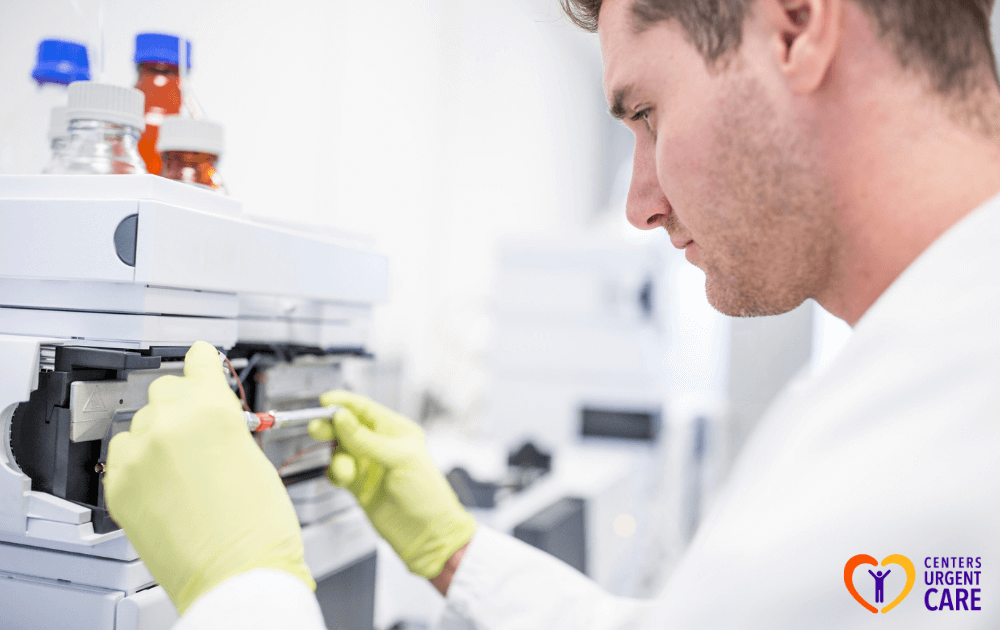
In laboratory instruments, the process of calibration plays a critical role in ensuring accurate and reliable measurements. Calibration is a systematic procedure that involves comparing the readings of equipment to a known standard and making necessary adjustments to enhance precision and maintain consistency in scientific research and experimentation.
Equipment Comparison
A fundamental step in the calibration process is equipment comparison. This entails evaluating the readings produced by the instrument against those of a reference standard. By benchmarking the instrument against a known standard, discrepancies and inaccuracies can be identified, allowing for adjustments to be made to align the instrument with the desired level of accuracy.
During the comparison phase, deviations from the standard measurements are noted and analyzed to determine the extent of calibration required. This meticulous comparison ensures that the instrument is operating within acceptable tolerances and enables technicians to pinpoint any variances that may impact the reliability of test results.
Adjustments for Precision
Following the comparison stage, adjustments for precision are implemented to fine-tune the instrument and enhance its accuracy. This step involves calibrating the equipment to minimize errors, maintain consistency in readings, and ensure reproducible results.
In the dynamic landscape of scientific research, the calibration process serves as a cornerstone for maintaining accuracy, reliability, and compliance with industry benchmarks. By conducting rigorous equipment comparisons and implementing adjustments for precision, laboratories can uphold the highest standards of precision, safeguard data integrity, and uphold scientific rigor in their endeavors.
Cost-Efficiency and Reliability
In lab devices and instruments, cost-efficiency and reliability are key factors that can be significantly enhanced through the calibration process. Let’s explore how calibration plays a pivotal role in reducing errors and saving money in laboratory settings.
Error Reduction
One of the primary benefits of calibration is its ability to reduce errors in data collection and analysis. By calibrating lab instruments regularly, you ensure that the measurements and readings obtained are accurate and precise. This accuracy not only leads to reliable results but also minimizes the chances of errors that could have costly implications in terms of research outcomes or manufacturing processes.
Calibration helps to identify and rectify any deviations or inaccuracies in instrument readings, ensuring that measurements are in line with established standards. By maintaining the accuracy of lab devices through calibration, you can trust the reliability of your data and make informed decisions based on precise information.
Saving Money
Calibration directly contributes to saving money by mitigating the risks associated with inaccurate measurements and faulty instruments. In research labs and manufacturing facilities, errors can result in costly mistakes, leading to wasted time, resources, and materials. By calibrating instruments regularly, you prevent these errors and ensure that processes run smoothly without disruptions caused by inaccuracies.
The cost-efficiency and reliability benefits of calibration are substantial. By focusing on error reduction and cost savings through regular calibration practices, labs can enhance their operational efficiency, achieve precise results, and protect their investments in high-quality lab equipment.
Compliance and Certification
Regarding lab instruments, calibration plays a crucial role in ensuring accuracy, reliability, safety, and compliance with industry standards. Two key aspects in this domain are meeting industry standards and obtaining certifications.
Meeting Industry Standards
One of the primary reasons calibration is important is to meet industry standards. Calibration is essential for obtaining certifications in various industries and maintaining a reputation for reliable results. Certifications often mandate the use of calibrated equipment for specific tasks, ensuring the accuracy and validity of the generated data.
- Ensures accuracy and reliability of data.
- Maintains credibility and reputation in the industry.
- Guarantees adherence to regulatory requirements.
Obtaining Certifications
Obtaining certifications in the realm of lab instruments requires precise calibration processes. In research labs, calibration is critical to ensure accurate data collection. It involves adjusting or standardizing equipment for precision, measuring the deviation from a standard, and meeting acceptable accuracy ratios set by standards organizations.

Emphasizing compliance with industry standards and obtaining certifications through thorough calibration practices, labs can maintain the integrity of their data, uphold safety protocols, and demonstrate commitment to excellence in their field.
Benefits of Regular Calibration
In the field of lab devices, the significance of routine calibration cannot be overstated. The regular calibration of instruments offers distinctive advantages that play a critical role in enhancing operational efficiency and data accuracy. Two intrinsic benefits of regular calibration are accuracy maintenance and instrument lifespan.
Accuracy Maintenance
Maintaining accuracy is paramount in research labs to ensure precise and reliable data. Calibration involves the fine adjustment or standardization of equipment to achieve precision, comparing equipment readings with known standards, and meeting specified accuracy ratios set by regulatory bodies.
Undergoing the calibration process, lab instruments are aligned with established standards, mitigating potential errors and ensuring consistency in measurements. This meticulous calibration practice is essential for generating dependable and reproducible outcomes in various scientific experiments and lab tests.
Regular calibration acts as a safeguard against the natural drift that occurs in instruments over time, preserving their accuracy and integrity. It is a proactive measure to counteract deviations in readings and uphold the reliability of results, indispensable for scientific research and experimentation.
Instrument Lifespan
The longevity of laboratory equipment is profoundly influenced by regular calibration practices. By adhering to a scheduled calibration routine, the functionality and performance of instruments are sustained, preventing drift caused by environmental factors like temperature variations and humidity changes.
Furthermore, calibrated instruments uphold quality standards, ensure regulatory compliance, and promote a culture of safety within the laboratory environment. By extending the lifespan of instruments, calibration routines facilitate the identification and resolution of potential issues, bolstering confidence in the accuracy and consistency of measurements.
Regular calibration offers numerous benefits, from ensuring data accuracy to enhancing instrument performance and operational efficiency, while also helping to maintain compliance with industry standards. By embracing a proactive approach to calibration, you not only ensure precision in scientific endeavors but also strengthen the reliability and credibility of research practices. At Centers Urgent Care, we understand the importance of quality and precision, and we offer high-quality, fast urgent care services in NY. Please don’t hesitate to contact us today to discover how our services can provide your loved ones with the care they deserve!
Sources:
2025 has changed my life. I never believed I would be cured by a spell caster who specializes in herbal cure and magical spells. I am talking about the help Doctor Odunga gave to me. I have been cured of herpes HPV which has plagued me for over 2 years. I am very happy to tell others that if you want to be cured or get your ex back spells and get pregnant naturally, even financial blessing through lottery, there is only one place to be and that is with Dr Odunga Spell Temple. Am so happy that just 3 days after taking DR ODUNGA Herbal treatments my herpes was cured permanently. DR ODUNGA also have cure to #HIV #Diabetes #Lupus #Tinnitus #Fibroid #Cancer #Hepatitis B, #Syphilis #Infertility etc … If you have this ailment or whatsoever you might be suffering from you should contact him at his EMAIL: odungaspelltemple@gmail.com OR VIA Whats App +2348167159012