



















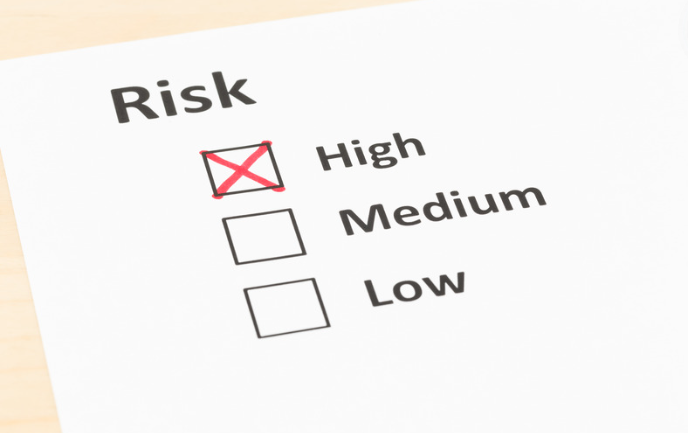
Health risk assessment plays a pivotal role in preventive healthcare, aiming to identify potential health risks and empower individuals to make informed decisions about their well-being. Understanding the importance and evolution of health risk assessments provides valuable insights into the proactive nature of modern healthcare practices.
Table of Contents
ToggleImportance of Health Risk Assessments
The significance of health risk assessments lies in their ability to assess an individual’s current health status, identify risk factors for chronic conditions, and predict potential health outcomes. By engaging in health risk assessments, individuals can gain a better understanding of their health risks and take proactive measures to mitigate them.
Health risk assessments also serve as a valuable tool for healthcare providers, enabling them to develop personalized care plans that address specific risk factors and promote overall wellness. Through the data collected during these assessments, healthcare professionals can tailor their recommendations and interventions to meet the individual needs of their patients.
Evolution of Health Risk Assessments
The evolution of health risk assessments can be traced back to the late 1940s when Dr. Lewis C. Robbins pioneered the documentation of patients’ health hazards with the goal of not only treating but also preventing disease. This early foundation laid the groundwork for the development of structured assessment tools that are now integral to modern healthcare practices.
In 1979, Dr. Don Hall made notable progress in health risk assessment by developing the first computerized Health Risk Appraisal in the United States. The following year, the Centers for Disease Control and Prevention (CDC) released publicly available HRA software, leading to widespread adoption in various settings, including workplaces. This marked a shift towards more standardized and accessible health risk assessments, making them an essential component of preventive healthcare.
The evolution of health risk assessments demonstrates a continuous effort to refine and optimize these tools to better serve individuals in their pursuit of optimal health and well-being. By understanding the historical progression of health risk assessments, individuals can appreciate the innovation and dedication that has shaped the current landscape of preventive healthcare.
Components of a Health Risk Assessment
In exploring the realm of health risk assessments, it is imperative to understand the fundamental components that constitute this evaluation process. Health risk assessments encompass a questionnaire segment, an evaluation phase of health status, and the provision of tailored feedback. These components play a pivotal role in assessing an individual’s health risks, creating awareness, and promoting proactive measures towards a healthier lifestyle.

Questionnaire and Evaluation
At the core of health risk assessments lies a comprehensive questionnaire that delves into various aspects of an individual’s health and well-being. This questionnaire is designed to gather essential information about the individual’s lifestyle, medical history, dietary habits, physical activity levels, and other pertinent health-related data.
During the evaluation phase, collected data is meticulously analyzed to assess the individual’s current health status, identify potential risk factors, and evaluate overall well-being. With data insights obtained from the questionnaire, healthcare providers can gain a deeper understanding of an individual’s health profile.
Tailored Feedback
Following the questionnaire and evaluation process, individuals receive tailored feedback based on their health risk assessment results. This feedback is personalized and offers specific recommendations and actionable steps to address identified health risks, improve overall health outcomes, and reduce the likelihood of developing certain health conditions.
Health risk assessments serve as a crucial screening tool aimed at empowering individuals to take charge of their health. By providing personalized feedback, individuals are equipped with the knowledge and resources needed to make informed decisions regarding their health and well-being. This tailored feedback is instrumental in guiding individuals toward making sustainable lifestyle changes that support optimal health and well-being.
Integrating various components such as questionnaires, evaluations, and tailored feedback, health risk assessments play a pivotal role in promoting a proactive approach to health management. They serve as valuable tools in fostering health awareness, identifying potential risks, and empowering individuals to make informed choices that support their overall well-being.
Application of Health Risk Assessments
In the realm of healthcare, health risk assessments play a pivotal role in providing valuable insights into population health and evaluating the impact of wellness programs on individuals. The application of health risk assessments extends beyond individual health evaluations to broader population health management strategies, making them a crucial tool for enhancing overall well-being.

Population Health Insights
Health risk assessment data serves as a foundational element for employers and wellness providers, offering vital insights into population health risks. By analyzing the data gathered through assessments, organizations can identify trends, assess potential health risks among different demographics, and tailor wellness programs to address specific needs effectively. This data-driven approach enables proactive health management strategies and empowers organizations to allocate resources efficiently to promote better health outcomes.
Wellness Program Impact
One of the key applications of health risk assessments is evaluating the impact of wellness programs on individuals’ health and well-being. By measuring the effectiveness of wellness initiatives through pre- and post-assessment data, organizations can gauge the program’s success in improving participants’ health behaviors and outcomes. This evaluation helps in refining and optimizing wellness interventions to better meet the needs of the target population, ultimately leading to enhanced engagement and better health results.
Utilizing health risk assessments in both population health management and wellness programs allows organizations to identify individuals who may benefit from additional care management or health coaching services, fostering a more personalized and proactive approach to healthcare. By leveraging data-driven insights from assessments, stakeholders can make informed decisions to promote health, prevent and manage chronic conditions, and optimize overall wellness outcomes.
For over 40 years, Wellsource has been a leader in providing innovative, evidence-based health risk assessment solutions. These NCQA-certified assessments have been instrumental in improving health outcomes for health plans, wellness organizations, and companies, demonstrating the significant impact and value of health risk assessments in promoting and enhancing population health and overall well-being.
Benefits of Completing Health Risk Assessments
Actively engaging in completing health risk assessments (HRAs), individuals open the door to various benefits that can positively impact their overall well-being. Two key advantages of undergoing health risk assessments are the promotion of healthier lifestyle choices and the potential reduction of healthcare costs through preventive measures.
Promoting Healthier Lifestyle Choices
Completing a health risk assessment serves as a vital first step toward promoting healthier lifestyle choices. By providing individuals with insights into their current health status and potential risks, HRAs empower them to make informed decisions about their well-being. These assessments highlight areas that may require attention, such as diet, exercise, stress management, and preventive screenings.
With a better understanding of their health risks, individuals are more inclined to adopt healthier behaviors and habits. For instance, if an HRA reveals elevated cholesterol levels or high blood pressure, individuals are more likely to take proactive measures such as dietary changes, regular exercise, and medication compliance to mitigate these risks. The knowledge gained from the assessment serves as a motivator for individuals to prioritize their health and well-being.
Reducing Healthcare Costs
The completion of health risk assessments not only benefits individuals by promoting healthier choices but also contributes to the reduction of healthcare costs on a broader scale. In the United States, 90% of the $3.3 trillion spent on healthcare is attributed to treating chronic physical and mental health conditions, many of which are linked to unhealthy lifestyle choices. By identifying potential health risks early through HRAs, individuals have the opportunity to address these risks proactively, potentially preventing the onset of chronic illnesses.
Taking preventive actions based on the insights provided by an HRA can lead to a decrease in healthcare utilization and associated costs. By addressing health concerns before they escalate into more serious conditions, individuals can avoid costly medical treatments, hospitalizations, and emergency care. In this way, completing a health risk assessment not only benefits individual health outcomes but also contributes to the overall reduction of healthcare expenditures.
Recognizing the importance of completing health risk assessments and leveraging the insights gained to make positive lifestyle changes can significantly enhance your health and well-being. This proactive approach helps reduce the risk of chronic conditions, improves your quality of life, and supports the overall wellness of healthcare systems. For immediate and high-quality care, Centers Urgent Care in New York provides fast, reliable services for both children and adults. Our team is dedicated to offering exceptional care to meet your urgent medical needs efficiently. Contact us today to learn more about our services and how we can assist you in maintaining your health.
Sources:
2025 has changed my life. I never believed I would be cured by a spell caster who specializes in herbal cure and magical spells. I am talking about the help Doctor Odunga gave to me. I have been cured of herpes HPV which has plagued me for over 2 years. I am very happy to tell others that if you want to be cured or get your ex back spells and get pregnant naturally, even financial blessing through lottery, there is only one place to be and that is with Dr Odunga Spell Temple. Am so happy that just 3 days after taking DR ODUNGA Herbal treatments my herpes was cured permanently. DR ODUNGA also have cure to #HIV #Diabetes #Lupus #Tinnitus #Fibroid #Cancer #Hepatitis B, #Syphilis #Infertility etc … If you have this ailment or whatsoever you might be suffering from you should contact him at his EMAIL: odungaspelltemple@gmail.com OR VIA Whats App +2348167159012